

5G, Data Centers And Energy Costs Recast The Digital Build-Out
Telecom and digital infrastructure operators in Asia and the Gulf are entering a more capital-intensive phase in 2026, as the growth of AI, cloud and data-heavy applications collides with higher energy costs and a more uncertain geopolitical backdrop. Global markets have already …
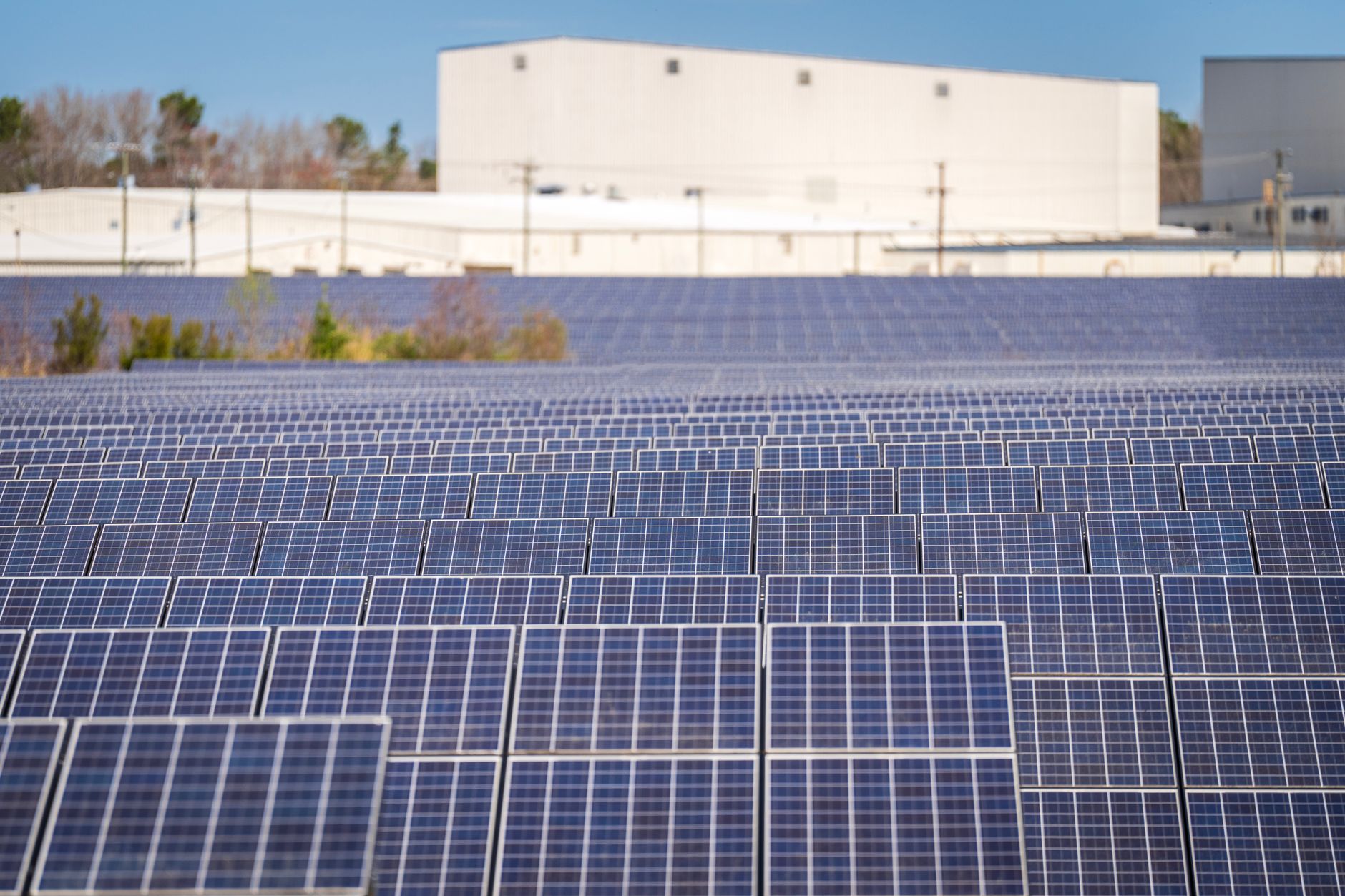
Telecom and digital infrastructure operators in Asia and the Gulf are entering a more capital-intensive phase in 2026, as the growth of AI, cloud and data-heavy applications collides with higher energy costs and a more uncertain geopolitical backdrop.
Global markets have already signalled that tech spending is no longer an automatic winner. When valuations are high, investors become more sensitive to power costs, capex intensity and monetisation timelines. That matters because telecom and data-center operators are the physical backbone of the AI economy: they provide the fibre, towers, compute and cooling needed for every digital experience.
In Asia, industrial growth and AI-related demand continue to support data traffic growth. Japanese and South Korean manufacturers are running more sophisticated industrial systems, while Taiwan’s hardware ecosystem remains central to global AI supply chains. All of that drives demand for low-latency connectivity and reliable cloud infrastructure.
In the Gulf, the story is similar but strategically different. The UAE, Saudi Arabia and Qatar are using telecom and infrastructure spending to build digitally enabled economies with global connectivity. But the current environment forces operators to think harder about resilience, power sourcing and route diversification, especially if energy prices remain volatile or conflict affects shipping and cable routes.
That means AI is both a demand driver and an efficiency tool. Operators are using machine learning to optimise network traffic, predict equipment failures and cut energy consumption in data centers and wireless networks. The goal is to increase capacity without proportionally increasing costs.
For both regions, the next stage of the digital build-out will be less about headline announcements and more about disciplined execution. Projects that can show a path to lower operating costs, stronger uptime and better integration with industrial and fintech ecosystems will attract funding. Those that depend only on long-term optimism about data growth may find capital harder to secure in 2026.

Written by
TPC Editorial Desk
The Platinum Capital editorial desk
Articles on The Platinum Capital are produced by the TPC editorial desk with the assistance of AI tools, and edited before publication. TPC Awards profiles are based on information provided in nominations and checked against public sources. Reach out at info@theplatinumcapital.com.


