AI Jitters Rattle Asian Equities As Foreign Investors Rotate Within Region
Asian stock markets are navigating a choppy February as investors reassess rich valuations in AI‑linked technology names and rotate capital toward cheaper markets in Southeast Asia. The result is a split regional picture: heavy foreign selling in South Korea and Taiwan contrasted…
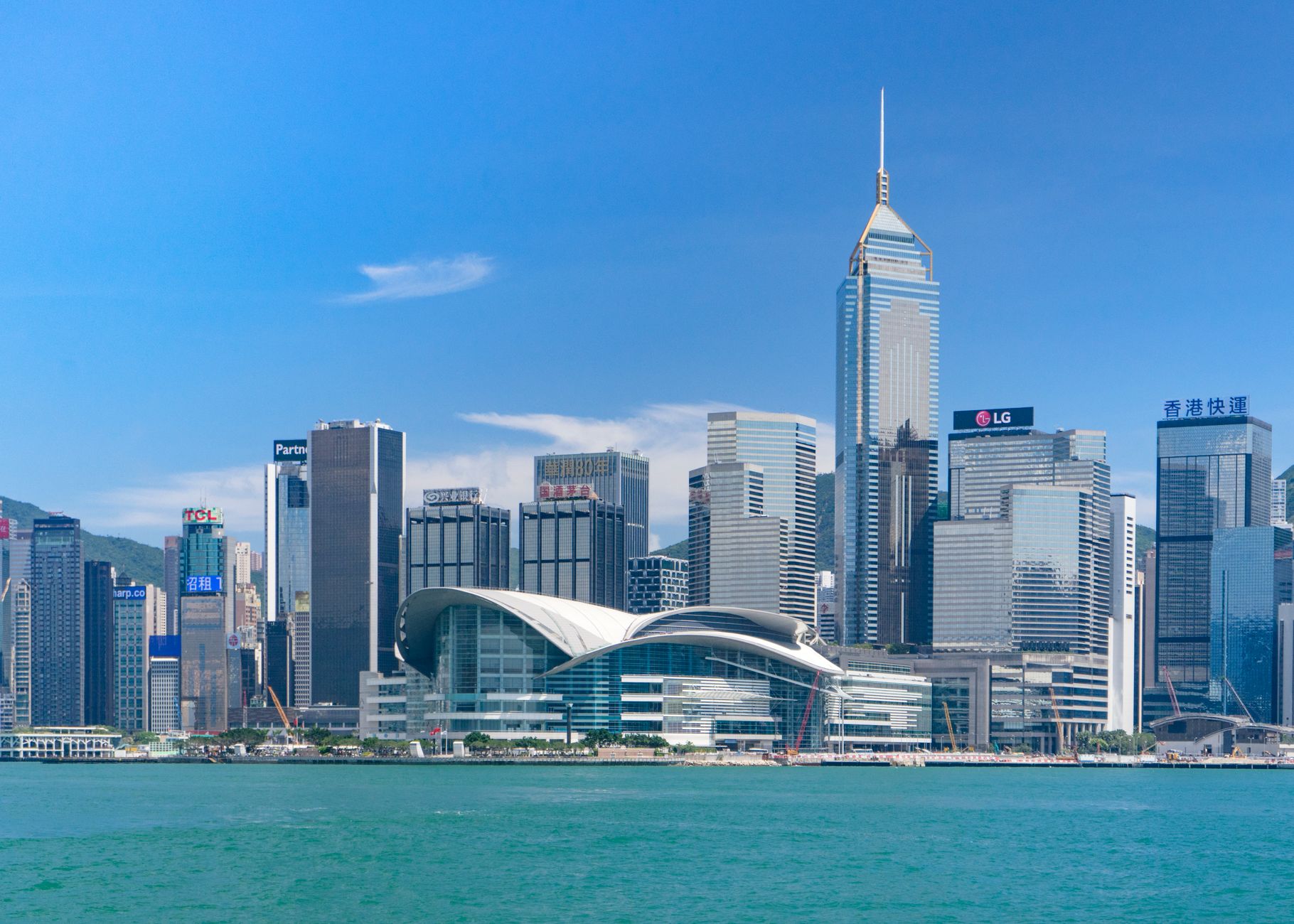
Asian stock markets are navigating a choppy February as investors reassess rich valuations in AI‑linked technology names and rotate capital toward cheaper markets in Southeast Asia. The result is a split regional picture: heavy foreign selling in South Korea and Taiwan contrasted with modest inflows into Thailand, Indonesia, and the Philippines.
Reuters data for the week ending 6 February show net foreign outflows of about 9.79 billion dollars from Asian equities, a sharp escalation from roughly 3.9 billion dollars of net sales in all of January. South Korea bore the brunt, with foreign investors dumping 7.48 billion dollars in stocks, a stark reversal from a 446‑million‑dollar inflow the previous month, while Taiwan saw 3.43 billion dollars in net foreign selling after January inflows of 306 million dollars.
The trigger has been a global rethink of AI‑driven tech spending. A steep sell‑off in US tech—highlighted by a double‑digit slide in Amazon’s shares after it flagged more than a 50% jump in 2026 capital expenditures tied to AI—sparked worries that cash‑hungry AI investments could compress margins and prolong the payback period for shareholders. Those concerns spilled into Asia, where semiconductor, foundry, and hardware names are central to AI infrastructure.
On 12 February, the MSCI Asia Pacific Index fell about 0.7%, its first decline in six sessions, as Japan’s Nikkei and Hong Kong’s Hang Seng Index dropped more than 500 and 540 points respectively. While South Korea’s KOSPI managed to eke out a small gain in intraday trading, the broader tone was risk‑off, with traders bracing for key US inflation data that could delay any Federal Reserve rate cuts.
Yet the sell‑off has not been uniform. Reuters data show that Thailand, Indonesia, and the Philippines actually attracted foreign inflows of 332 million, 103 million, and 23 million dollars respectively over the same week, even as Vietnam experienced foreign outflows of 236 million dollars. Market strategists say this suggests investors are rotating within Asia rather than abandoning the region, favoring markets with more attractive valuations and less concentrated AI exposure.
Money‑flow graphics compiled by LSEG and referenced by Reuters indicate that globally, equity funds saw inflows into Europe and Asia in early February even as US equity funds recorded a weekly outflow. That pattern underscores a broader diversification trend in global portfolios, with some institutions taking profits in US tech and reallocating to other regions and sectors.
For GCC investors, the volatility is both a risk and an opening. Sovereign wealth funds in the UAE, Qatar, and Saudi Arabia have already built sizeable positions in Asian tech and infrastructure, and advisors note that any deeper pullback in AI‑linked names could trigger opportunistic buying. At the same time, the AI‑capex scare is a reminder that their own domestic AI and data‑center build‑outs need to balance ambition with capital discipline.
Near term, Asian equity performance will hinge on three variables: the trajectory of US inflation and rates, the earnings guidance from major AI beneficiaries, and the depth of foreign rotation into non‑tech cyclicals and value stocks. If macro data support a gradual easing cycle and AI spending narratives normalize, many strategists expect foreign flows to return to markets such as Korea and Taiwan later in 2026, albeit at more sober valuation levels.

Written by
TPC Editorial Desk
The Platinum Capital editorial desk
Articles on The Platinum Capital are produced by the TPC editorial desk with the assistance of AI tools, and edited before publication. TPC Awards profiles are based on information provided in nominations and checked against public sources. Reach out at info@theplatinumcapital.com.