
Aramco’s Storage Breakthrough and Australia’s Clean-Energy Financing Show How the Power Race Is Becoming an Infrastructure Race
DHAHRAN/CANBERRA — The global energy transition is increasingly being decided not by rhetoric, but by infrastructure: storage systems that smooth renewables, financing structures that de-risk mega-projects, and cross-border programs that bring power to markets previously seen as …
DHAHRAN/CANBERRA — The global energy transition is increasingly being decided not by rhetoric, but by infrastructure: storage systems that smooth renewables, financing structures that de-risk mega-projects, and cross-border programs that bring power to markets previously seen as too remote or too small.
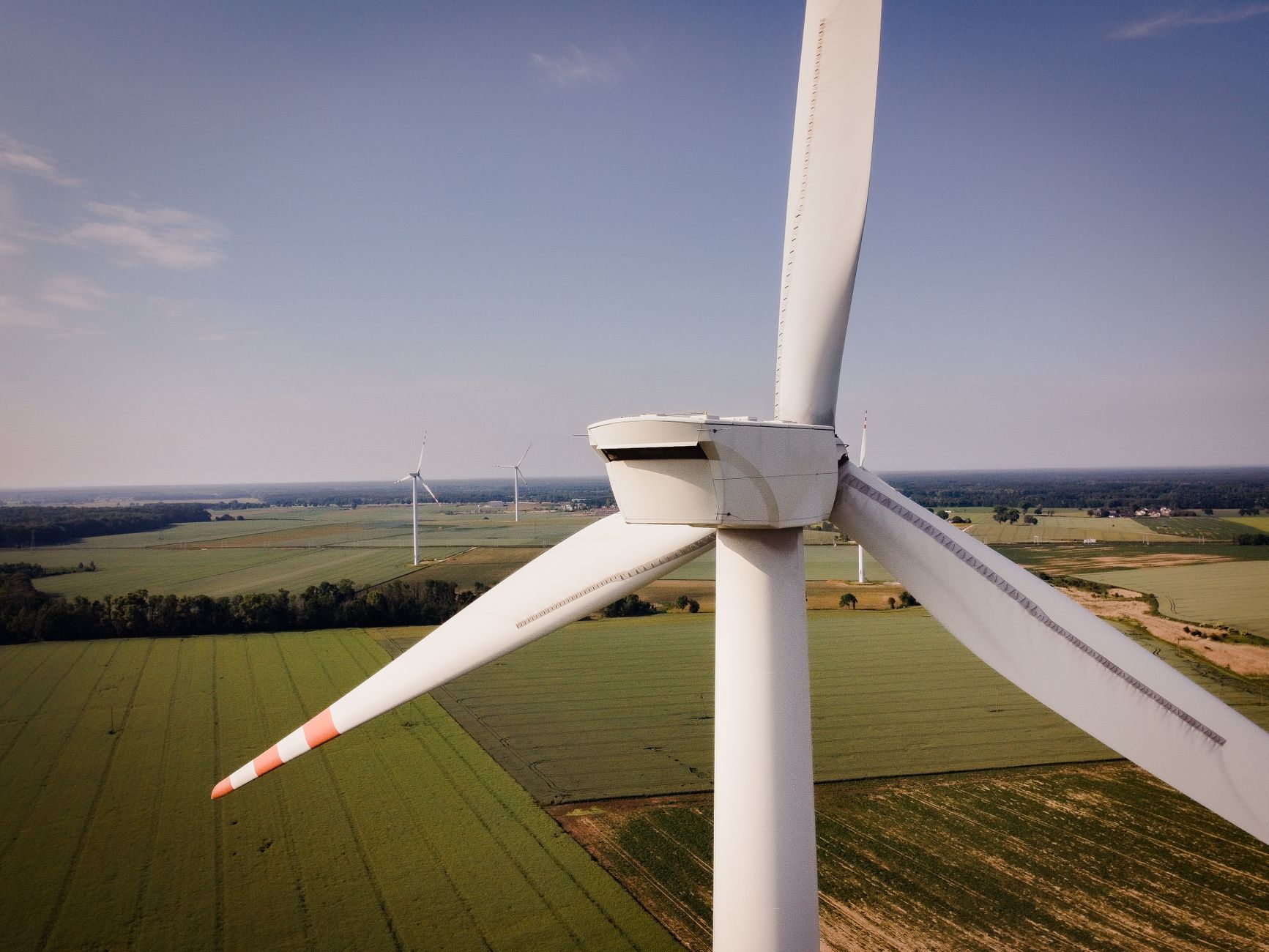
Saudi Aramco this year highlighted a technical milestone that reflects that shift—commissioning what it described as a “world-first” breakthrough renewable energy storage system based on an iron/vanadium flow battery. The company said the technology improves electrolyte utilization, reduces vanadium consumption, and can operate across a wide temperature range without thermal management, positioning it as a potential fit for harsh climates and utility-scale deployments. Aramco Europe
Flow batteries are not new, but the economics and deployment constraints have historically limited their role compared with lithium-ion. Aramco’s emphasis on electrolyte efficiency and reduced vanadium usage targets two of the common pain points: cost and supply-chain exposure. If such systems can be deployed reliably at scale, they become a strategic tool for countries building renewables rapidly but facing intermittency constraints—particularly in hot environments where thermal management can be expensive.
On the other side of the Indo-Pacific, Australia is leaning into a different part of the same puzzle: financing and regional energy diplomacy. Australia’s government-backed programs have been expanding support for clean, reliable energy access in off-grid communities across the Pacific and Timor-Leste through initiatives such as REnew Pacific, positioned as a multi-year investment effort announced in the context of global climate forums. Infrastructure Financing Facility Pacific
And Australia’s Export Finance agency has been active in enabling companies to scale into Southeast Asia while backing capital-intensive clean-energy projects. In one example highlighted in its December updates, Australian company Vulcan Energy finalized a major financing agreement for its European project, underscoring how Australian-linked capital and institutions are engaging with the global clean-tech buildout. Export Finance Australia
The combined message from Saudi Arabia and Australia is that energy is becoming a contest of system capability. Storage innovations help grid operators absorb more renewables and reduce reliance on gas peakers. Export finance and government-backed programs help crowd in private capital, turning projects from “bankable in theory” to “fundable in practice.”
This matters to the Gulf and Asia for a second reason: data centers. AI-driven compute demand is forcing utilities and governments to think about power in new ways—high-load, always-on, and politically sensitive. Across Asia-Pacific, industry reporting has noted rapid growth in data-center development and the associated power requirements, with land and electricity supply becoming central constraints in places like Malaysia as AI data centers expand. DataCenterKnowledge
That link—AI to power—tightens the relevance of both storage and financing. If AI is the new industrial policy, energy becomes the enabling infrastructure. Countries that can deliver reliable, low-carbon electricity at scale will be better positioned to attract cloud and AI investment, while those that cannot may find themselves priced out of the compute economy.
Saudi Arabia’s Vision 2030 ambitions in renewables and grid modernization fit squarely into this framing, even as the Kingdom remains a hydrocarbon heavyweight. Aramco’s work on storage can be read as part of a broader hedging strategy: enabling higher renewable penetration domestically while keeping optionality for future energy export models, including hydrogen and advanced fuels.
Australia’s approach is more dispersed but strategically similar: combine public capital tools with private investment to build clean-energy capability at home and influence energy outcomes in neighboring regions. That can deepen geopolitical relationships while supporting Australian firms in clean-tech value chains.
For investors, the question is where the next bottleneck sits. In 2020–2023, it was often technology cost curves. In 2024–2026, it is increasingly permitting, grid connection, long-duration storage, and the availability of patient capital. Flow batteries, if proven at scale, address the long-duration side. Export finance addresses the capital side.
In practical terms, expect 2026 to bring more announcements that blur sector categories: energy projects justified by AI demand; infrastructure funding framed as climate policy; and storage deployments pitched as national competitiveness. Aramco’s battery milestone and Australia’s financing push are two ends of the same trend: the energy transition is becoming an infrastructure race—and the winners will be those who can build, finance, and operate systems, not just announce targets. DataCenterKnowledge+3Aramco Europe+3Infrastructure Financing Facility Pacific+3

Written by
TPC Editorial Desk
The Platinum Capital editorial desk
Articles on The Platinum Capital are produced by the TPC editorial desk with the assistance of AI tools, and edited before publication. TPC Awards profiles are based on information provided in nominations and checked against public sources. Reach out at info@theplatinumcapital.com.