

ASEAN Exporters Rewire Strategies As Freight Costs Spike And Buyers Diversify
Exporters from Thailand, Vietnam, Indonesia and Malaysia are rewriting their 2026 playbooks as freight costs surge and buyers in the US, EU and Gulf push harder for diversified sourcing in the wake of the energy shock and Middle East conflict. Source of Asia’s recap of a Globalli…
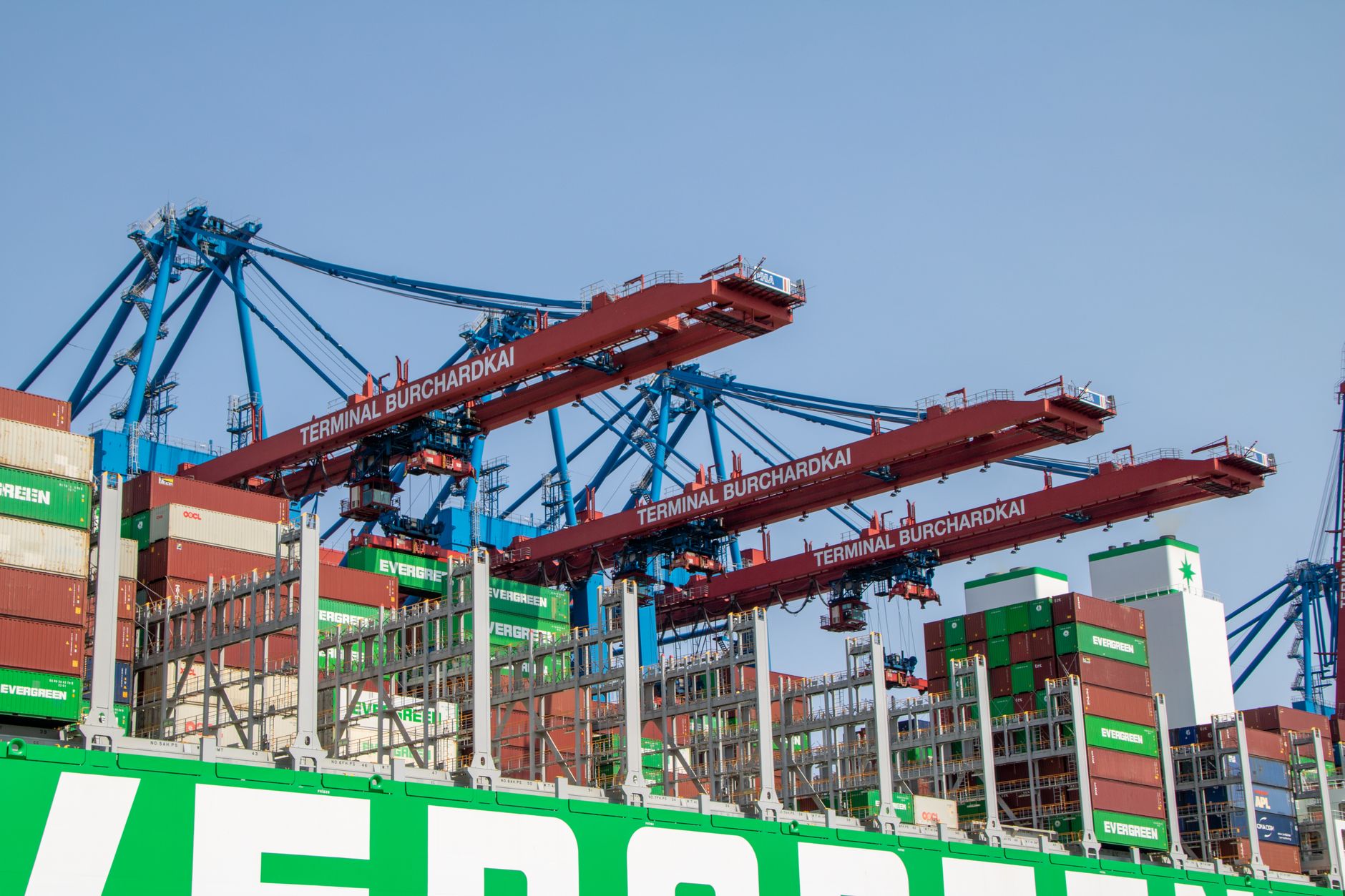
Exporters from Thailand, Vietnam, Indonesia and Malaysia are rewriting their 2026 playbooks as freight costs surge and buyers in the US, EU and Gulf push harder for diversified sourcing in the wake of the energy shock and Middle East conflict.
Source of Asia’s recap of a Globallians webinar on ASEAN market trends highlights that “supply chains are relocating toward Southeast Asia” as firms diversify production beyond traditional footprints. Vietnam, Thailand and Malaysia often lead shortlists as alternative industrial bases, depending on sector, due to their manufacturing capabilities, trade agreements and relatively stable policy environments.
Alibaba’s 2026 export‑strategy white paper notes that Southeast Asian exporters face a complex mix of tailwinds and headwinds: strong demand for diversified sourcing; higher logistics and compliance costs; and digital‑commerce opportunities that allow direct‑to‑consumer exports. Freight forwarders are increasingly offering integrated solutions—combining flexible capacity, embedded trade finance and real‑time tracking—to help SMEs manage volatility.
The current oil shock and Hormuz disruptions are accelerating these shifts. Higher bunker and insurance costs force exporters to rethink pricing, incoterms and route choices, sometimes favouring slightly slower but more predictable services. Some are experimenting with regional‑hub strategies—shipping to Singapore, Port Klang or Laem Chabang, then re‑exporting in consolidated flows—to improve cost efficiency and reliability.
At the same time, buyers in the Gulf and Europe are pushing for greater resilience and transparency. Contracts increasingly include clauses around lead‑time flexibility, dual sourcing and ESG reporting, prompting exporters to invest in supply‑chain visibility tools and sustainability certifications.
For ASEAN firms that navigate this transition well, the reward is deeper integration into global value chains and potentially higher margins for value‑added and resilient‑supply offerings. Those that cannot keep up with digital, logistical and compliance demands risk losing ground even as the region as a whole gains share in relocated manufacturing.

Written by
TPC Editorial Desk
The Platinum Capital editorial desk
Articles on The Platinum Capital are produced by the TPC editorial desk with the assistance of AI tools, and edited before publication. TPC Awards profiles are based on information provided in nominations and checked against public sources. Reach out at info@theplatinumcapital.com.