ASEAN-GCC Trilateral Cooperation Accelerates: Infrastructure, Logistics and Digital Corridors Take Shape in 2026
Trilateral economic linkages between ASEAN, the Gulf Cooperation Council, and strategic partners like China are poised to drive explosive growth through coordinated infrastructure financing, maritime logistics optimisation, and next-generation digital corridors. Observers note ov…
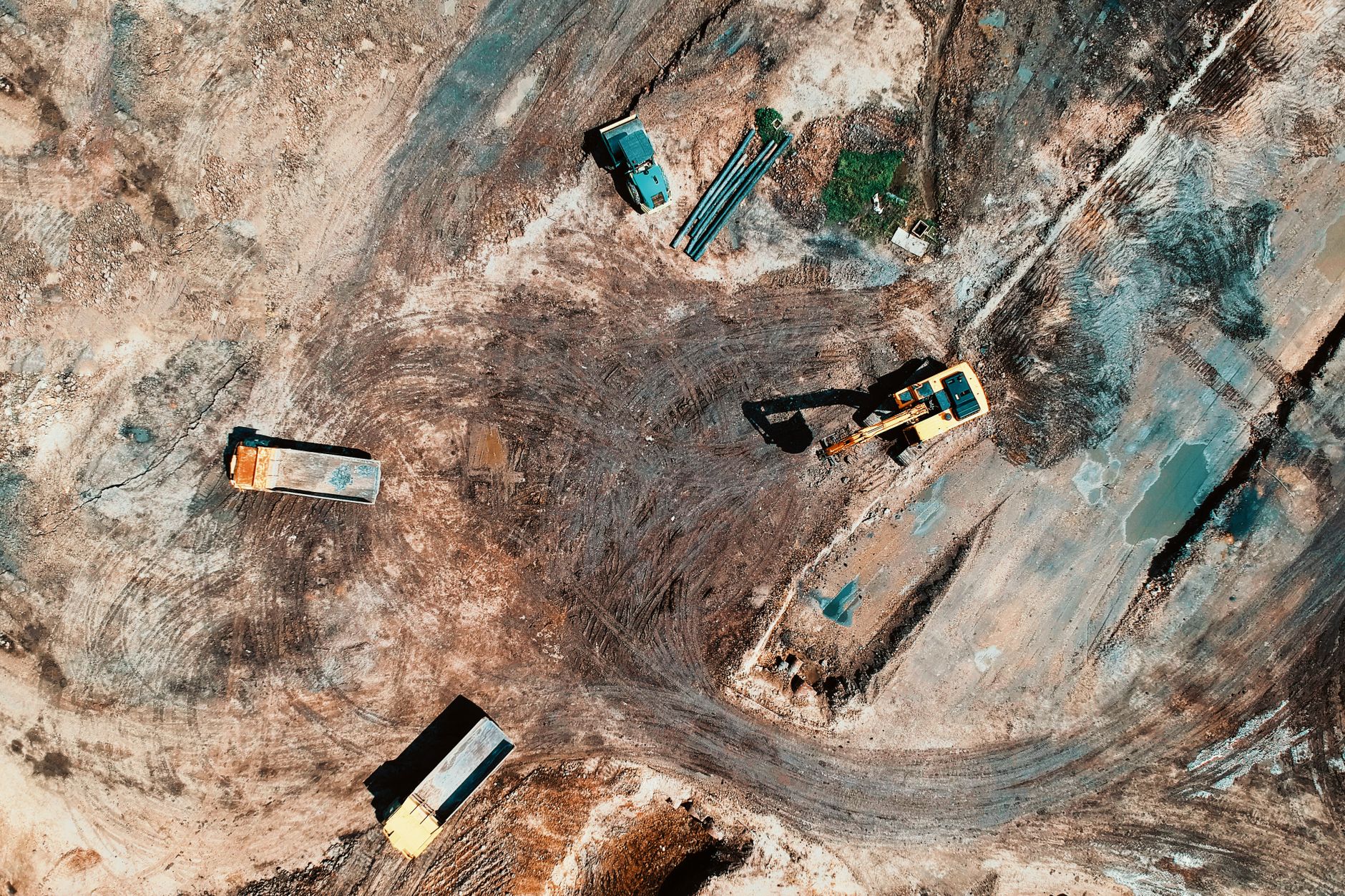
Trilateral economic linkages between ASEAN, the Gulf Cooperation Council, and strategic partners like China are poised to drive explosive growth through coordinated infrastructure financing, maritime logistics optimisation, and next-generation digital corridors. Observers note overlapping Belt and Road Initiative projects with ASEAN's Master Plan on Connectivity 2025 and GCC Vision 2030 reforms—particularly in Saudi Arabia and the UAE—catalysing unprecedented public-private coordination.
Malaysian think tank Asia Middle East Centre coordinator Muath Seyam describes ASEAN-GCC relations entering a "new phase of strategic depth and institutionalisation," with China serving dual roles as shared infrastructure partner and competitive motivator. Chinese Premier Li Qiang's call for a "global benchmark in openness, development cooperation, and cross-civilization integration" resonates across Riyadh, Jakarta, and Kuala Lumpur, where joint ventures now blend Saudi petrodollars, Indonesian resources, and Malaysian halal expertise.
Saudi and Qatari family offices aggressively expand into Singapore, Indonesia, and Malaysia, establishing beachhead operations to capture ASEAN's 7.5 percent average growth trajectory. GCC-ASEAN trade hit 138 billion dollars last year, up from 85.2 billion in 2021, with logistics megaprojects like UAE's 110 billion dollar port expansions and Saudi's Maersk partnerships enabling palm oil mega-shipments from Sumatra to the Red Sea.
Oman, Qatar, and Bahrain forecast accelerating growth: Oman's non-oil GDP rises 3.2 percent in 2026 from 2.7 percent 2025; Qatar's 2.4 percent expansion fades post-FIFA slowdown via LNG capacity doubling and tourism rebound; Bahrain's refinery upgrade adds 40 percent capacity to 380 kb/d by mid-2025. Reforms lower Oman debt-to-GDP to 34 percent from 64 percent peak, earning S&P investment grade.
Digital corridors lead: UAE fintech APIs integrate Indonesian BNPL; Saudi AI platforms optimise Thai rice yields; Qatari Islamic banks finance Malaysian halal exports. Chambers of commerce, Jeddah Islamic banks, and Doha industrial groups lead private-sector dialogues.
PwC identifies five 2026 GCC themes: trade diversification, AI deployment, workforce transitions, fiscal resilience, and supply chain security—all amplified by ASEAN synergies. World Bank projects GCC 4.5 percent growth 2026.
For executives, trilateral frameworks unlock blended financing (GCC equity + Chinese EPC + ASEAN offtake), slashing project risks 30 percent. Saudi-Indonesia halal MoU elevates product assurance; Vietnam-UAE CEPA hits 6.1 billion dollars trade.

Written by
TPC Editorial Desk
The Platinum Capital editorial desk
Articles on The Platinum Capital are produced by the TPC editorial desk with the assistance of AI tools, and edited before publication. TPC Awards profiles are based on information provided in nominations and checked against public sources. Reach out at info@theplatinumcapital.com.