
ASEAN’s Clean‑Power Push Shifts From Targets to Transmission Lines
Southeast Asia’s clean‑energy narrative is moving from headline targets to grid diagrams , as policymakers confront the reality that solar and wind additions will stall without massive investment in transmission, storage and regional interconnection. A series of recent studies ar…
Southeast Asia’s clean‑energy narrative is moving from headline targets to grid diagrams, as policymakers confront the reality that solar and wind additions will stall without massive investment in transmission, storage and regional interconnection. A series of recent studies argues that while Vietnam, Thailand and Malaysia now lead the region in renewables deployment, the bottleneck has shifted decisively from generation capacity to infrastructure and policy coordination.
A 2024 report on ASEAN’s clean‑power pathways finds that most member states have aligned their national energy strategies with a global shift toward solar and wind, at least on paper. Vietnam has committed to renewables accounting for 47 percent of electricity generation by 2030, with 62 percent of that coming from solar and wind. The Philippines targets 35 percent renewables by 2040, while Indonesia and Thailand have set various medium‑term targets to raise their green‑power share and reduce dependence on coal and gas.
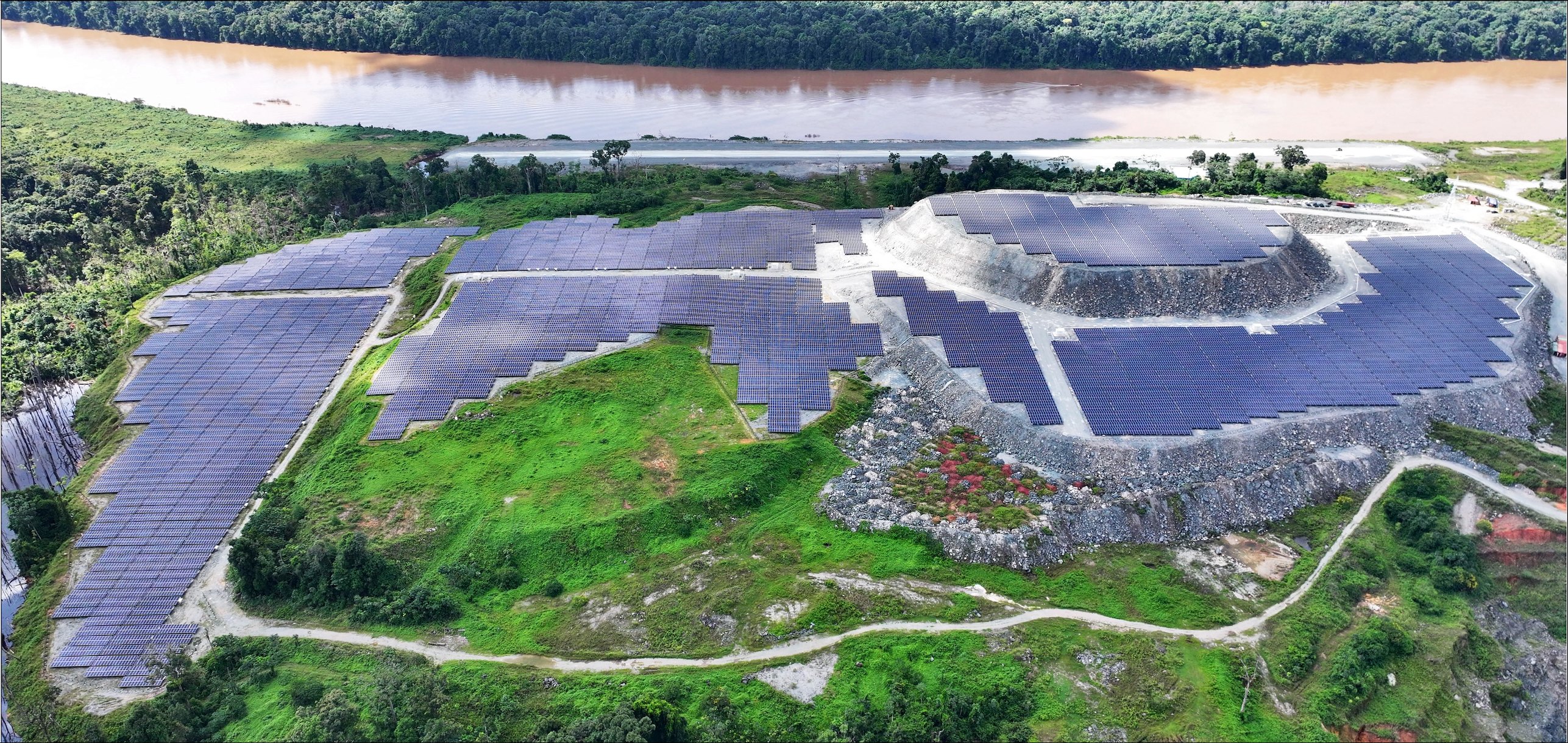
Deployment patterns show solar as the clear front‑runner. Vietnam, Thailand and Malaysia together account for over 60 percent of new renewable capacity additions in the region, driven mainly by utility‑scale and rooftop PV projects. Improved licensing processes, feed‑in tariffs and corporate‑PPA regimes have made these markets comparatively attractive for investors, including Japanese, Korean, Singaporean and Gulf utilities and funds.
Wind and hydro are expanding too. The Philippines and Indonesia are developing large onshore and early‑stage offshore wind farms, while Laos and Myanmar export surplus hydropower to neighbours through existing and planned interconnectors. These flows, if managed well, can provide balancing resources that help integrate variable solar and wind across national grids.
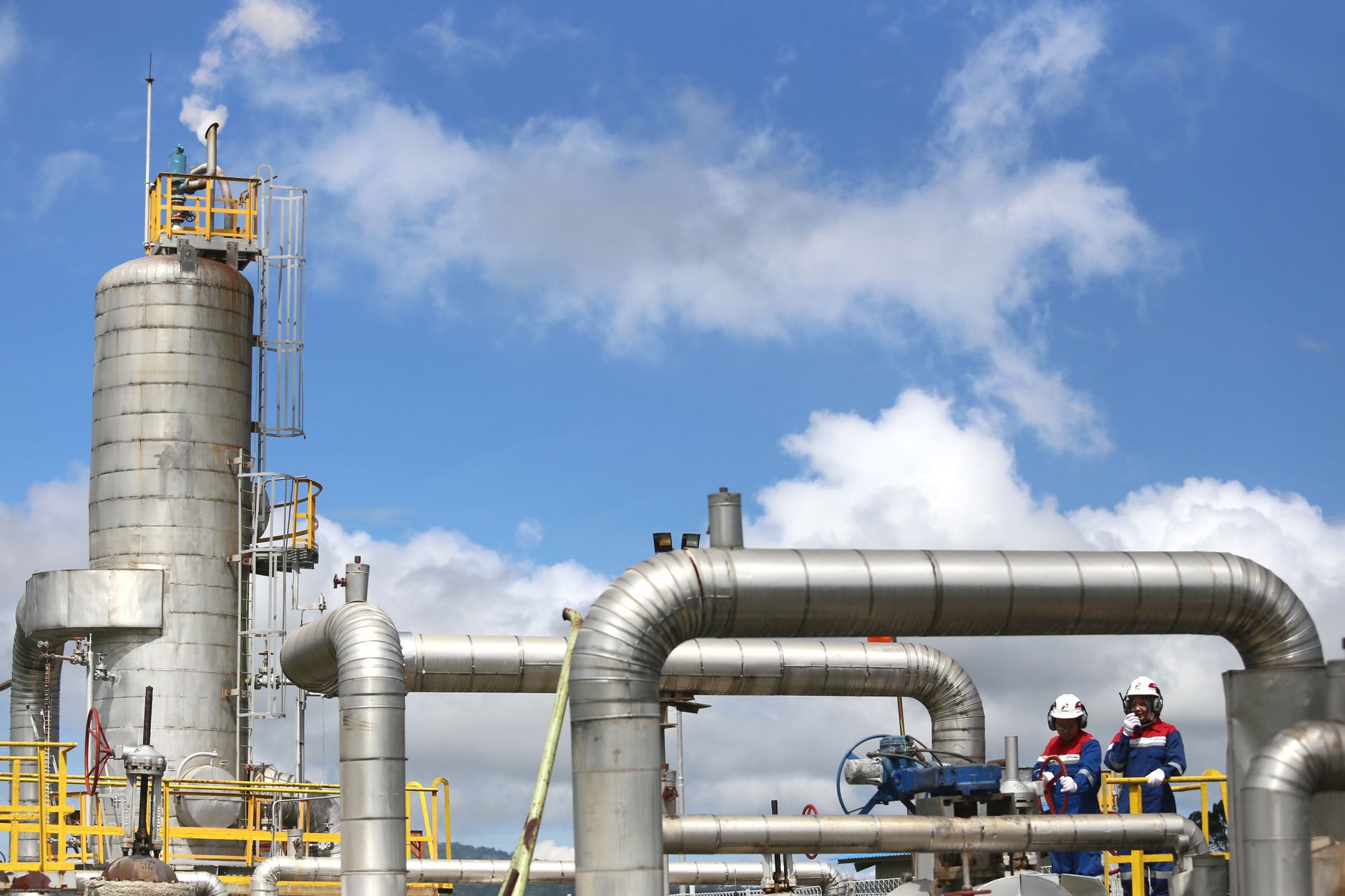
But the infrastructure to support these ambitions is lagging. Analysts highlight an urgent need for new high‑voltage lines, grid‑reinforcement, storage systems and cross‑border interconnections, without which curtailment and reliability issues will erode investor confidence. Vietnam’s grid, for instance, already struggles to absorb rapid solar additions in certain regions, leading to project delays and revenue uncertainty.
A Southeast Asia energy‑transition review points out that policy frameworks have often focused on auction design and tariffs, leaving system‑planning and grid‑operator capabilities under‑developed. It recommends that regulators and utilities adopt more transparent integrated‑resource planning, publish clear interconnection queues and timelines, and create cost‑recovery mechanisms for grid investments that do not overburden consumers.
Regional power‑trade initiatives are gaining traction. The idea of an ASEAN Power Grid, long on the drawing board, is being revisited with renewed urgency as countries realise that sharing resources can lower overall system costs and reduce reliance on coal. Pilot cross‑border trade deals—such as Laos exporting hydro to Thailand and Vietnam, and discussions around multilateral power exchanges—offer proof of concept but remain modest in scale.
Financing is a central challenge. While renewables projects can often attract project‑finance and green‑bond capital, grid investments tend to be state‑led and less glamorous, even though they are essential enablers. Development banks and climate‑finance platforms are exploring instruments such as sovereign green loans, results‑based financing and public‑private partnerships for transmission, but progress is uneven.
For investors—from Gulf sovereign funds to Asian infrastructure managers—the message is that opportunities in Southeast Asia’s energy transition go well beyond solar farms and wind turbines. Stakes in transmission companies, cross‑border interconnectors, battery‑storage projects and smart‑grid technology providers may offer more resilient returns, especially as governments tighten rules on curtailment and capacity payments.
Politically, shifting focus to grids raises thorny questions about tariff reform, land rights and governance. Some countries face public resistance to higher power prices or new transmission corridors, particularly when communities see limited local benefit. Policymakers must therefore pair technical plans with fair‑compensation schemes, community engagement and industrial‑policy strategies that highlight jobs and local content in grid and storage projects.
In short, ASEAN’s power transition is entering a more complex, less headline‑friendly phase. The easy gains from early solar booms are fading; the next stage will be won or lost in control rooms, regulatory commissions and regional negotiations over who pays for and controls the wires that will carry the region’s clean‑energy future.

Written by
TPC Editorial Desk
The Platinum Capital editorial desk
Articles on The Platinum Capital are produced by the TPC editorial desk with the assistance of AI tools, and edited before publication. TPC Awards profiles are based on information provided in nominations and checked against public sources. Reach out at info@theplatinumcapital.com.