
Asia Holidays Temper Trading As Fed, BoJ And Trade Policy Shape Flows
Global capital markets entered Thursday’s session with many Asian centers still closed for Lunar New Year holidays, leaving liquidity thin and amplifying sensitivity to macro headlines from Washington, Tokyo and Beijing. Reuters’ “Morning Bid” column notes that with China, South …
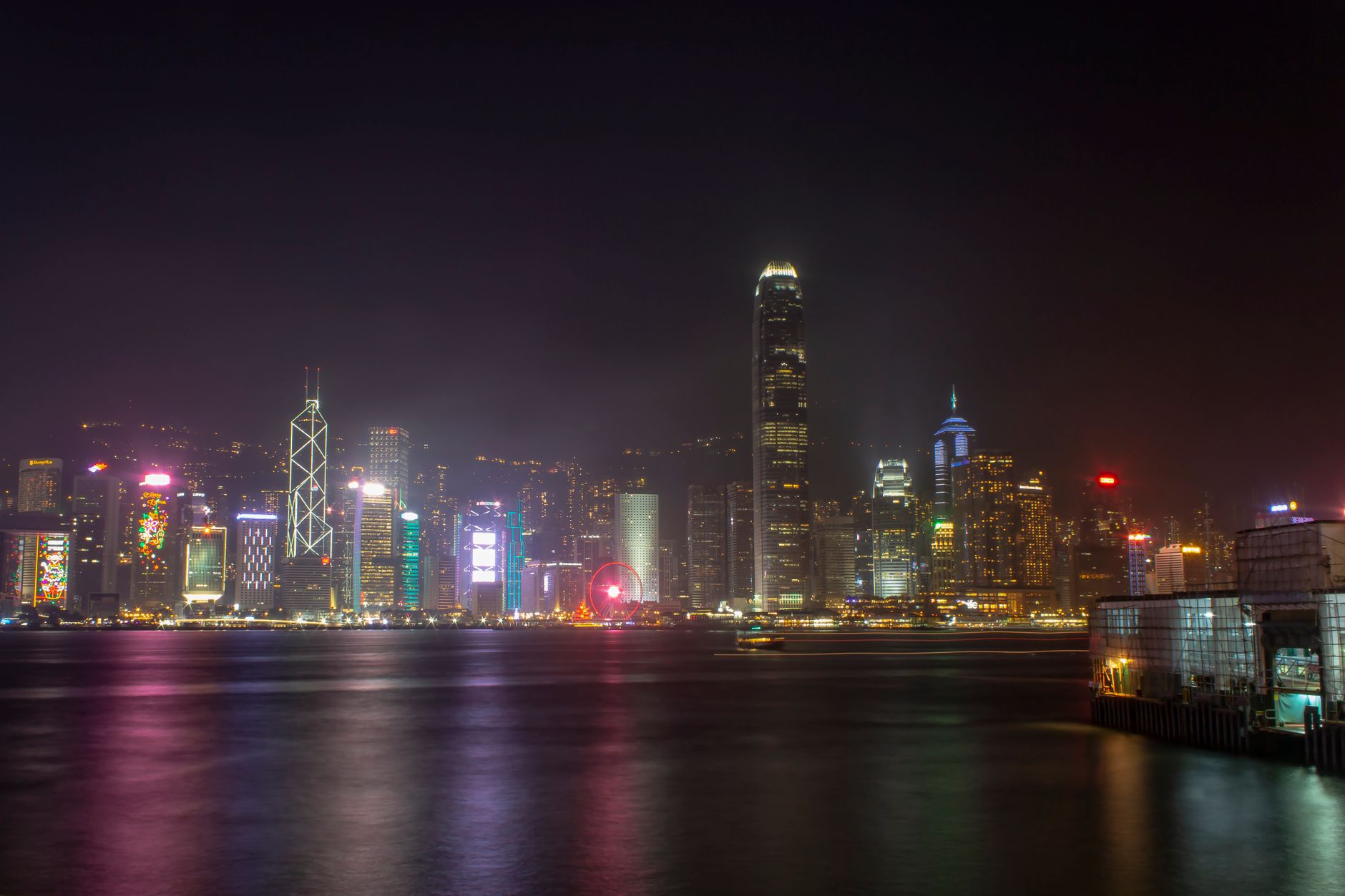
Global capital markets entered Thursday’s session with many Asian centers still closed for Lunar New Year holidays, leaving liquidity thin and amplifying sensitivity to macro headlines from Washington, Tokyo and Beijing.
Reuters’ “Morning Bid” column notes that with China, South Korea, Taiwan, Singapore and Malaysia shut, trading in Asia was “pretty sedate” even as investors kept a close eye on US‑Iran diplomacy and upcoming economic data. When major markets are offline, price moves in open venues such as Australia, India and Thailand can be exaggerated by smaller orders, potentially complicating technical signals for global investors.
On the policy front, the dollar has strengthened as minutes from the Federal Reserve’s latest meeting suggested no urgency to cut rates, a stance reinforced by firm US data. Higher US yields and a stronger dollar usually tighten financial conditions for emerging markets, especially those with foreign‑currency debt, but the impact has been partly offset by resilient risk appetite and strong demand for Asian equities tied to AI and structural growth themes.
In Japan, a Reuters poll indicates that analysts now expect the Bank of Japan to raise its policy rate to 1% by the end of June, earlier than previously anticipated, as inflation proves sticky and political pressure builds ahead of elections. A faster‑than‑expected BoJ hiking cycle would have profound implications for global capital flows, as Japanese investors reassess the relative attractiveness of domestic and foreign bonds and equities.
Trade policy remains a swing factor. Reuters’ special report on China’s long‑term trade strategy argues that Beijing is trying to convert Trump‑era tariffs into a structural advantage by re‑orienting trade, building industrial capacity in strategic sectors and cementing links with emerging markets. These moves affect capital markets indirectly by changing corporate earnings prospects and influencing where multinational firms allocate investment.
In the Middle East, capital‑market dynamics are shaped by this global backdrop but also by local reforms. Saudi Arabia’s recent decision to open its stock market to all foreign investors, combined with record debt issuance from regional borrowers, makes the GCC an increasingly important destination for global funds seeking diversification.
As trading activity normalizes when Asian markets reopen fully after the holidays, portfolio managers will need to reassess positioning in light of Fed and BoJ trajectories, evolving trade policies and regional reforms from Riyadh to Jakarta. The next few weeks may set the tone for whether 2026 becomes a year of orderly re‑pricing or one marked by sharper dislocations across equities, bonds and currencies.

Written by
TPC Editorial Desk
The Platinum Capital editorial desk
Articles on The Platinum Capital are produced by the TPC editorial desk with the assistance of AI tools, and edited before publication. TPC Awards profiles are based on information provided in nominations and checked against public sources. Reach out at info@theplatinumcapital.com.