

Asia Opens Cautiously As Tech Rout, US‑Iran Talks Keep Traders On Edge
Asian financial markets struck a wary tone on Tuesday as investors weighed fresh losses in global tech names against geopolitical risks tied to upcoming US‑Iran nuclear talks, leaving benchmark indices range‑bound in holiday‑thinned trade. In Sydney, Reuters reported that Asian m…
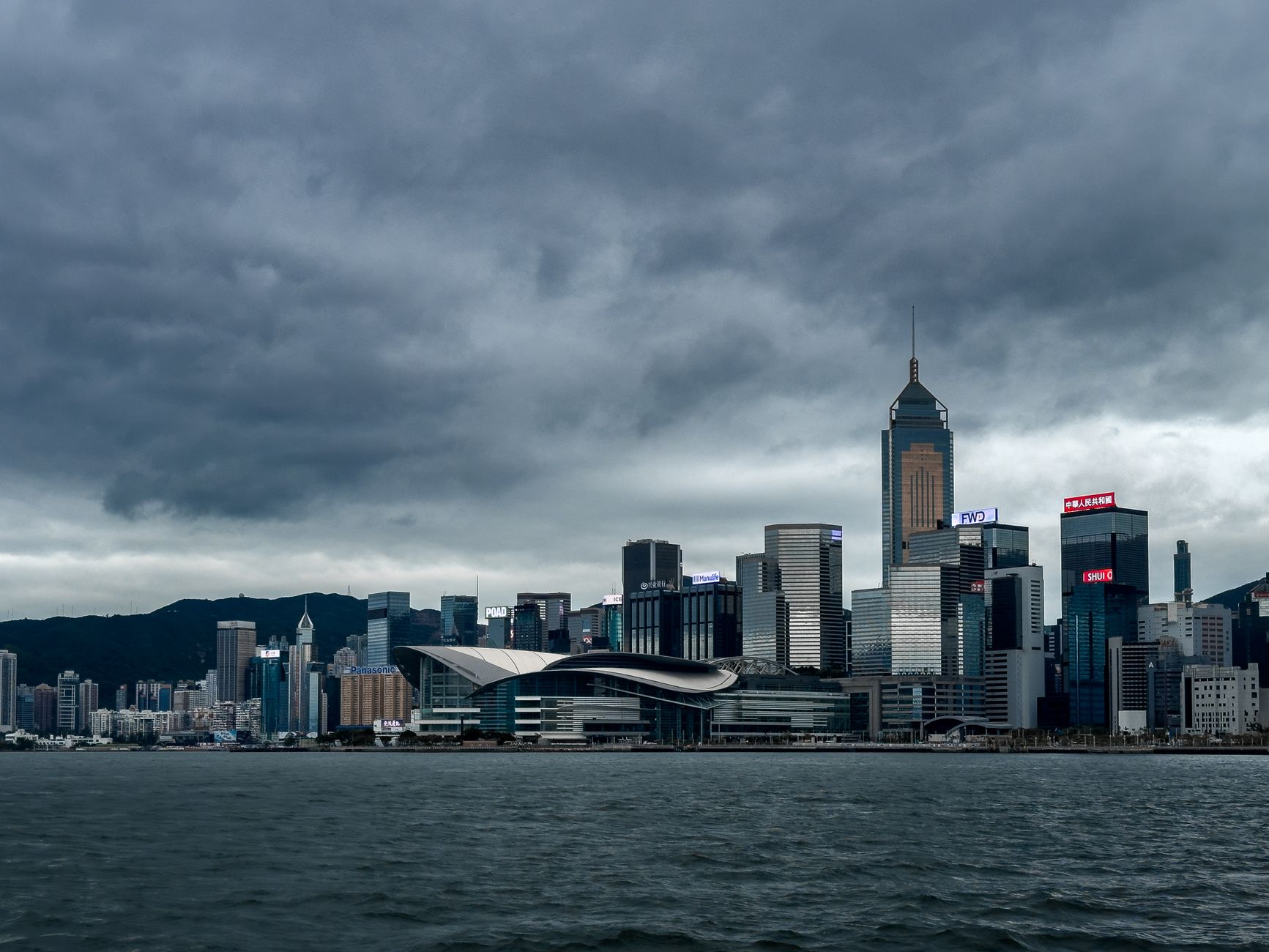
Asian financial markets struck a wary tone on Tuesday as investors weighed fresh losses in global tech names against geopolitical risks tied to upcoming US‑Iran nuclear talks, leaving benchmark indices range‑bound in holiday‑thinned trade.
In Sydney, Reuters reported that Asian markets were “treading carefully” in the morning session, with thin liquidity due to public holidays in parts of the region amplifying intraday swings. Japan’s weakening macro backdrop remained in focus after GDP data released a day earlier showed a much softer‑than‑expected reading, reinforcing concerns about the durability of the country’s recent equity rally.
The cautious mood follows a bruising spell for global technology heavyweights. Reuters notes that some of the world’s most valuable tech stocks have shed tens of billions of dollars in market value so far this year as investors question whether enormous spending on artificial‑intelligence infrastructure will deliver returns commensurate with lofty valuations. That reassessment has spilled into Asia, where chipmakers and hardware suppliers in markets like South Korea and Taiwan sit at the heart of the global AI supply chain.
Bloomberg has previously highlighted that Asian technology stocks entered 2026 “on a tear,” buoyed by optimism about AI‑related demand and relatively attractive valuations versus US peers. Strategists at Goldman Sachs and Citigroup flagged Asia’s tech complex as a key beneficiary of surging demand for semiconductors, memory and high‑end manufacturing associated with generative AI and cloud computing. But the same deep AI exposure now leaves the region vulnerable to any prolonged de‑rating in the sector.
Tuesday’s trading reflects that tension. While some investors are nibbling at beaten‑down AI names in South Korea and Taiwan, others are rotating toward more defensive plays in Southeast Asian markets such as Thailand and Indonesia, which have lighter direct exposure to the AI capex boom. Foreign‑flow data earlier in the month already showed a pattern of outflows from North Asian tech hubs and modest inflows into ASEAN equities.
Geopolitics adds another layer of uncertainty. Oil prices have edged higher on expectations that US‑Iran nuclear talks could affect the trajectory of sanctions and energy exports, a key variable for import‑dependent Asian economies like Japan, South Korea and India. Higher oil prices can squeeze margins for transport, manufacturing and power‑generation firms across Thailand, Vietnam, Indonesia and the Philippines, complicating equity‑valuation models.
For Gulf investors, who have become increasingly active in Asian equity and venture markets, the current environment is a reminder of how tightly linked the regions have become. Standard Chartered economists cited by Bloomberg project that Asia–Middle East trade could reach about 1.5 trillion dollars by 2030, up from 905 billion in 2024, underscoring the scale of financial and commercial interdependence. As such, AI‑driven corrections and geopolitical jitters in Asia can quickly influence capital‑allocation decisions in Riyadh, Abu Dhabi and Doha.
In the near term, traders across Hong Kong, Singapore and Tokyo are likely to key off two indicators: the pace of any further de‑rating in global AI leaders, and the outcome of US inflation releases that will shape expectations for Federal Reserve policy. A benign inflation print and signs that AI spending plans are stabilizing could set the stage for a more constructive tone later in the quarter; disappointments on either front may deepen the current risk‑off bias in Asia’s equity markets.

Written by
TPC Editorial Desk
The Platinum Capital editorial desk
Articles on The Platinum Capital are produced by the TPC editorial desk with the assistance of AI tools, and edited before publication. TPC Awards profiles are based on information provided in nominations and checked against public sources. Reach out at info@theplatinumcapital.com.