
Asian Governments Roll Out Fuel Caps, Reserve Plans And Russia Swaps To Survive Oil Shock
With crude flows through the Strait of Hormuz near a standstill and prices surging, Asian governments are scrambling to shield consumers and businesses from the most painful effects of the oil shock, deploying a mix of fuel‑price caps, strategic‑reserve planning and supply divers…

With crude flows through the Strait of Hormuz near a standstill and prices surging, Asian governments are scrambling to shield consumers and businesses from the most painful effects of the oil shock, deploying a mix of fuel‑price caps, strategic‑reserve planning and supply diversification.
A recent CNA/YouTube segment summarised the policy scramble: South Korea has imposed a fuel‑price cap, China has halted fuel exports to secure domestic supply, Japan is preparing for a potential release from its strategic petroleum reserves and India is considering increasing imports of discounted Russian oil. Meanwhile, Bangladesh, Indonesia, the Philippines and Thailand are rolling out emergency measures to manage rising costs, including targeted subsidies, tax tweaks and tighter energy‑use guidelines.
These moves follow days of rapidly rising oil prices. Saxo notes that WTI crude jumped about 22% in a short window, while Reuters reports that Brent settled “sharply higher” as the Iran war drove an oil rally and bond sell‑off, fuelling concerns about inflation and delayed rate cuts.
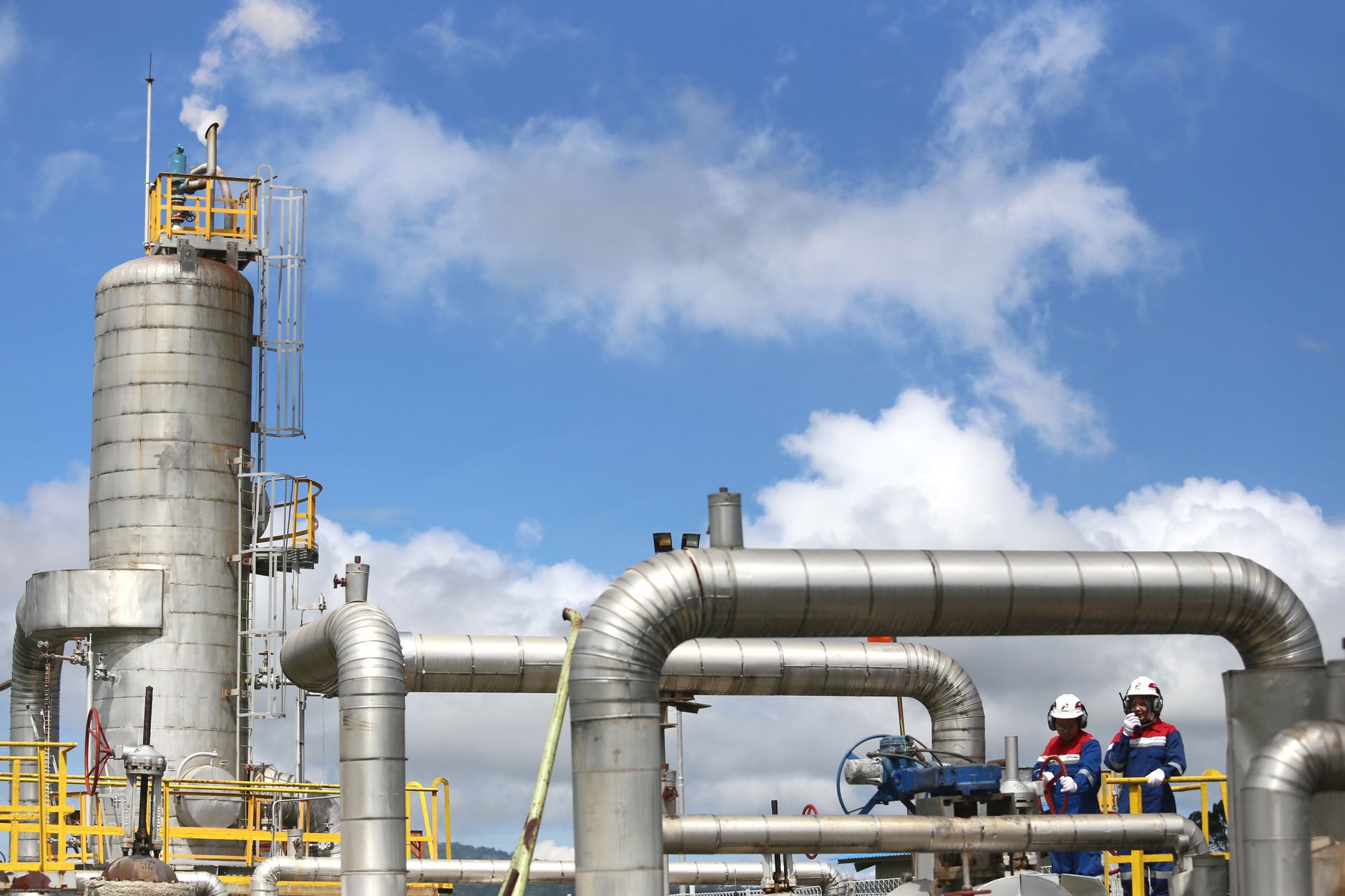
Asia’s energy‑security architecture is being tested. Reuters’ earlier analysis of Asia’s oil and LNG dependence underscores that the region remains heavily reliant on Middle Eastern supply, making it vulnerable to disruptions near Hormuz. Strategic‑reserve releases can buy time but not substitute for long‑term diversification and demand‑side management.
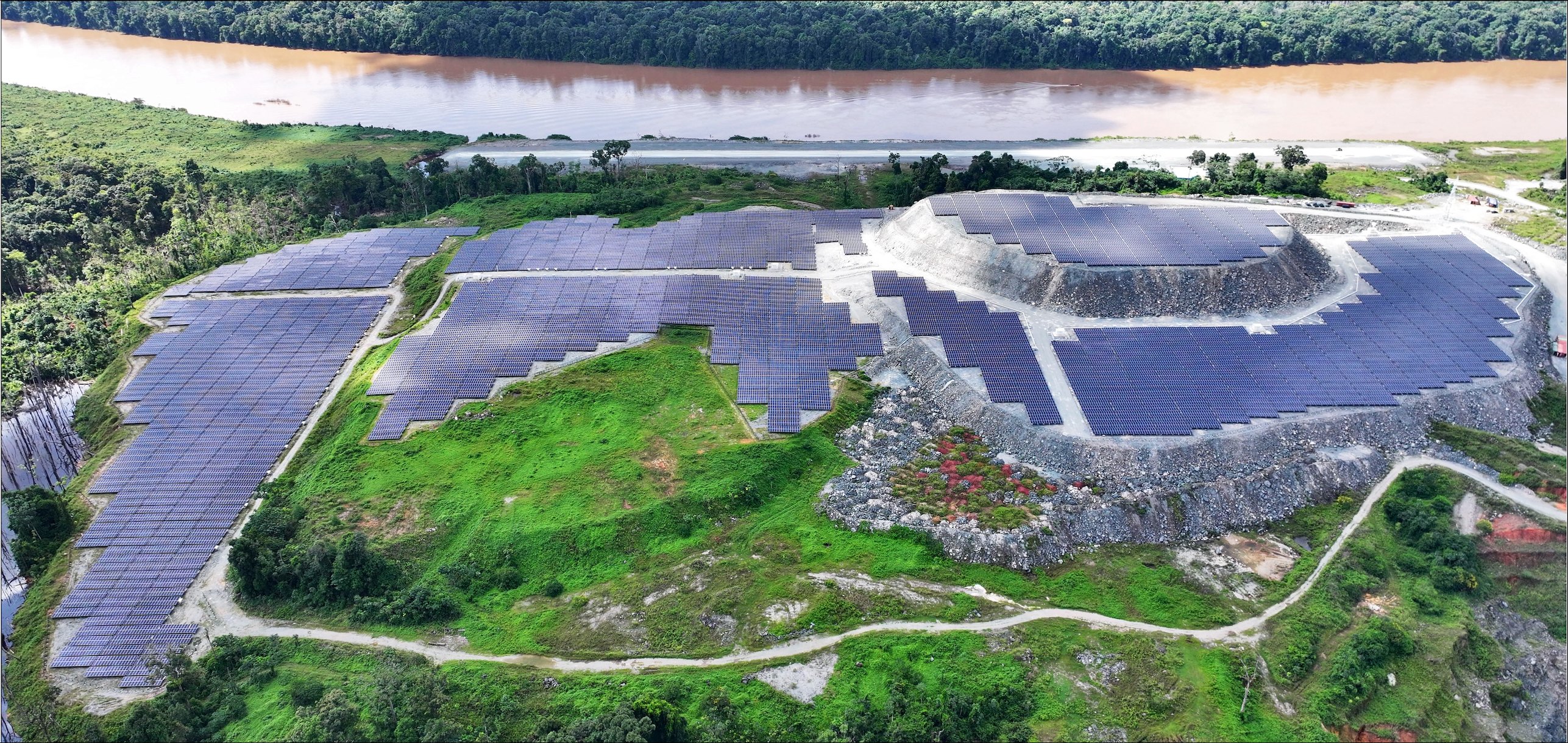
In parallel, policy debates over renewables and nuclear are intensifying. Southeast Asian economies are accelerating plans for solar, wind and cross‑border grid interconnections, while Japan and South Korea are re‑examining nuclear expansion to reduce exposure to imported fossil fuels. The current crisis strengthens the political case for faster energy‑transition investments, even if the near‑term effect is higher fiscal pressure.
For Gulf exporters, these measures are a double‑edged sword. On one hand, higher prices boost near‑term revenues; on the other, aggressive diversification and efficiency measures in Asia could cap long‑term demand. That reinforces Gulf strategies to invest in Asian renewables, hydrogen and downstream projects as part of a broader partnership rather than a narrow supplier–buyer relationship.
How well Asian governments balance short‑term relief with long‑term transition in 2026 will shape not only inflation paths and growth, but the long‑run structure of the Asia–Gulf energy relationship.

Written by
TPC Editorial Desk
The Platinum Capital editorial desk
Articles on The Platinum Capital are produced by the TPC editorial desk with the assistance of AI tools, and edited before publication. TPC Awards profiles are based on information provided in nominations and checked against public sources. Reach out at info@theplatinumcapital.com.