Asia’s Policy Makers Race To Shield Their Economies From A Prolonged Gulf Oil Shock
From Beijing and Tokyo to New Delhi and Jakarta, energy officials are racing to cushion their economies from what increasingly looks like a long‑lasting supply shock out of the Gulf, even as forecasts warn of sustained high prices and chronic shipping disruptions. Reuters reports…

From Beijing and Tokyo to New Delhi and Jakarta, energy officials are racing to cushion their economies from what increasingly looks like a long‑lasting supply shock out of the Gulf, even as forecasts warn of sustained high prices and chronic shipping disruptions.
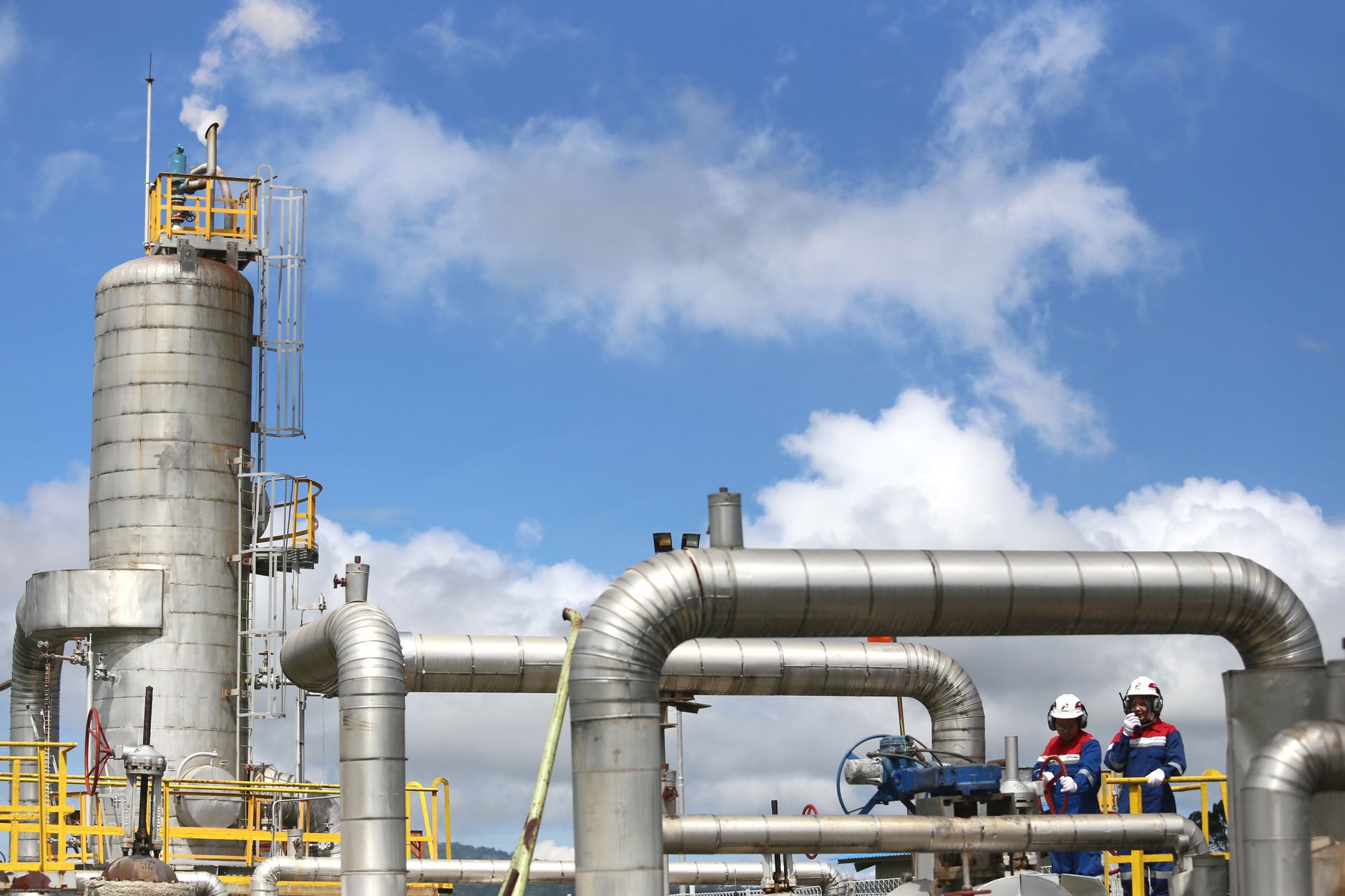
Reuters reports that global oil and gas prices have soared since early March as the Iran crisis shut the Strait of Hormuz and disrupted production from key exporters including Qatar, Iraq and Kuwait. With hundreds of tankers and LNG carriers stranded or rerouting, supply outages now affect roughly a fifth of global crude and gas flows. An analysis carried by Investing.com notes that the war threatens a “prolonged hit” to global energy markets, with industry and government officials warning that Iran can sustain drone and missile attacks for months.
Al Jazeera cites World Bank economists who estimate that about 140 million barrels of oil – equivalent to nearly a day and a half of global consumption – have already been blocked by the conflict, and that crude prices could climb another 75% if the disruption lasts six months. LNG markets are also under stress as Qatar, one of the world’s largest suppliers to Asia, has been forced to halt production at some facilities while storage and export routes remain constrained.
For Asia’s import‑dependent economies, the policy response is multi‑pronged. Strategic oil and gas reserves are being tapped in a calibrated fashion to smooth domestic supply; fuel taxes and subsidies are being tweaked to blunt the immediate impact on consumers and priority industries; and governments are accelerating previously announced plans for renewables, nuclear power and grid upgrades.
China, which had been considering modest interest‑rate cuts to support a sluggish property sector and industrial overcapacity, now faces a more complicated inflation outlook. A Reuters survey indicates that the People’s Bank of China will likely keep lending rates unchanged in March, partly because higher imported energy costs reduce the space for conventional easing without risking yuan depreciation and capital outflows. Similar dilemmas confront India, Japan and Korea, where central banks must weigh the inflationary impact of oil against still‑fragile growth.
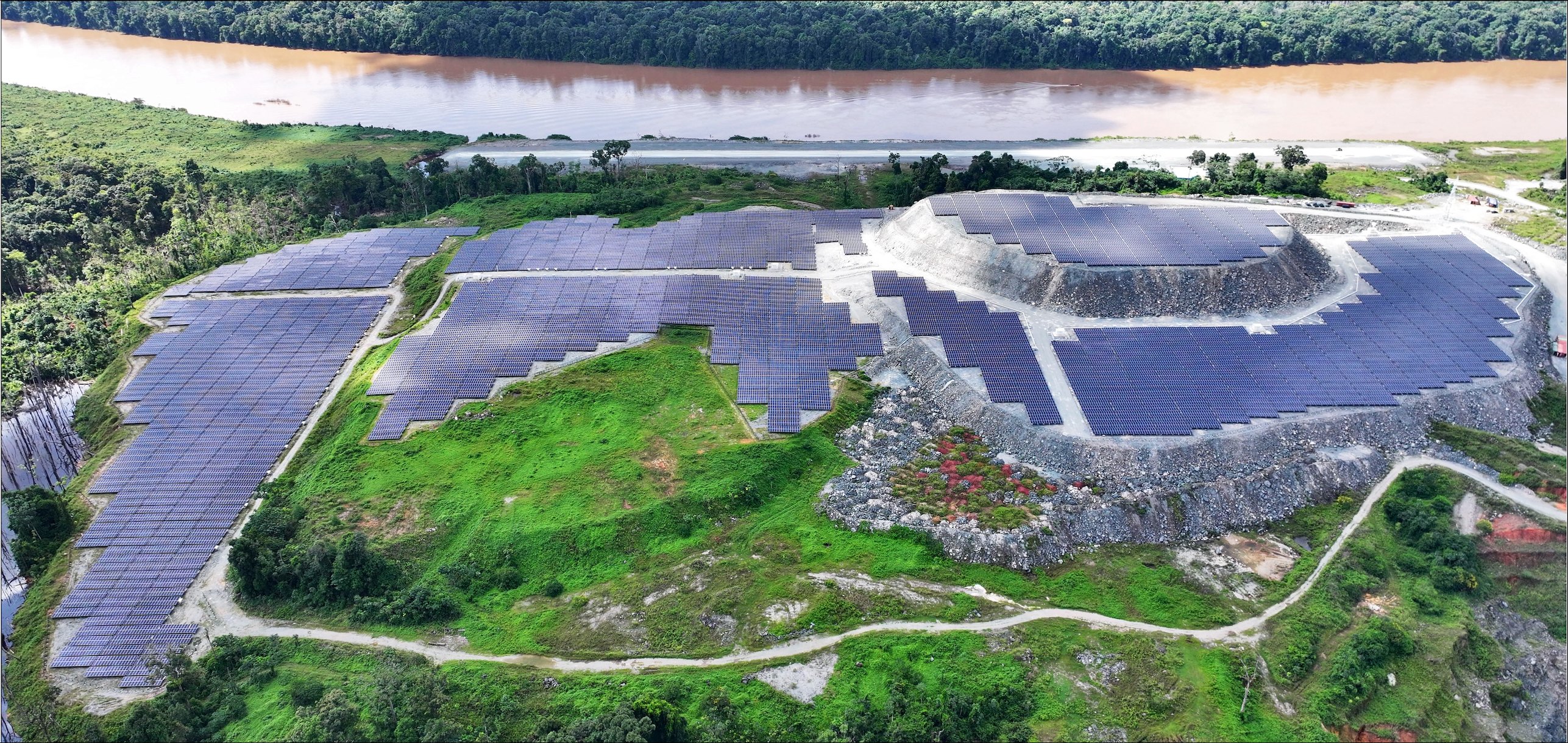
Longer‑term, the crisis is accelerating Asia’s energy‑transition debate. Governments are updating energy‑security strategies to reduce reliance on single routes and suppliers, exploring additional LNG contracts from the US, Africa and Australia, and pushing for faster deployment of solar, wind and storage. Industrial policies are being revised to factor in higher and more volatile power costs, with an emphasis on efficiency and grid flexibility.
The Gulf remains central to Asia’s energy future, but the events of early 2026 have made one thing clear: the old assumption of cheap, reliable Gulf supply can no longer be taken for granted. As a result, Asia’s energy strategies for the rest of the decade will likely be built around a new triad of priorities – diversification, decarbonisation and defence of critical infrastructure – rather than price alone.

Written by
TPC Editorial Desk
The Platinum Capital editorial desk
Articles on The Platinum Capital are produced by the TPC editorial desk with the assistance of AI tools, and edited before publication. TPC Awards profiles are based on information provided in nominations and checked against public sources. Reach out at info@theplatinumcapital.com.