

Asia’s Tourism Arms Race Pits Mega‑Campaigns Against Each Other as Philippines Joins 2026 Surge
From Manila and Kuala Lumpur to Hong Kong, Seoul and Tokyo , Asian destinations are stepping into 2026 with aggressive tourism strategies that look increasingly like an arms race for visitors, revenue and soft power. A new overview of regional campaigns frames the landscape as a …
From Manila and Kuala Lumpur to Hong Kong, Seoul and Tokyo, Asian destinations are stepping into 2026 with aggressive tourism strategies that look increasingly like an arms race for visitors, revenue and soft power. A new overview of regional campaigns frames the landscape as a “battlefield” in which each country deploys its own mix of marketing slogans, mega‑events, visa policies and entertainment tie‑ups to win share of travellers from the Gulf, Europe, North America and within Asia itself.
The Philippines is the latest to join the fray, launching initiatives that position its islands, cities and cultural festivals alongside established heavyweights like Singapore and Hong Kong. Officials are banking on improved air connectivity, digital‑marketing drives and tie‑ups with content creators to highlight destinations beyond Boracay and Palawan, including emerging surf and dive spots and heritage circuits. The country also hopes that its role in ASEAN tourism roadmaps and climate‑smart travel initiatives will appeal to eco‑conscious segments.
Malaysia has gone big with its Visit Malaysia 2026 (VM2026) campaign, targeting 43–47 million visitors, a level that would put it among the world’s top tourist destinations by volume. The push emphasises a mix of city breaks in Kuala Lumpur, rainforest and island experiences in Sabah and Sarawak, and cultural tourism tied to its multi‑ethnic heritage. Infrastructure upgrades, including airport expansions and rail links, are being marketed as evidence that the country can handle the influx.
Vietnam is aiming for 25 million visitors, building on its growing reputation as a destination for food, culture, beaches and emerging luxury resorts from Da Nang to Phu Quoc. Authorities are promoting secondary cities and highland areas to ease pressure on crowded hotspots, while investing in airports and expressways that support both tourism and manufacturing. Partnerships with South Korean and Japanese carriers and tour operators underscore the importance of North Asian outbound markets.
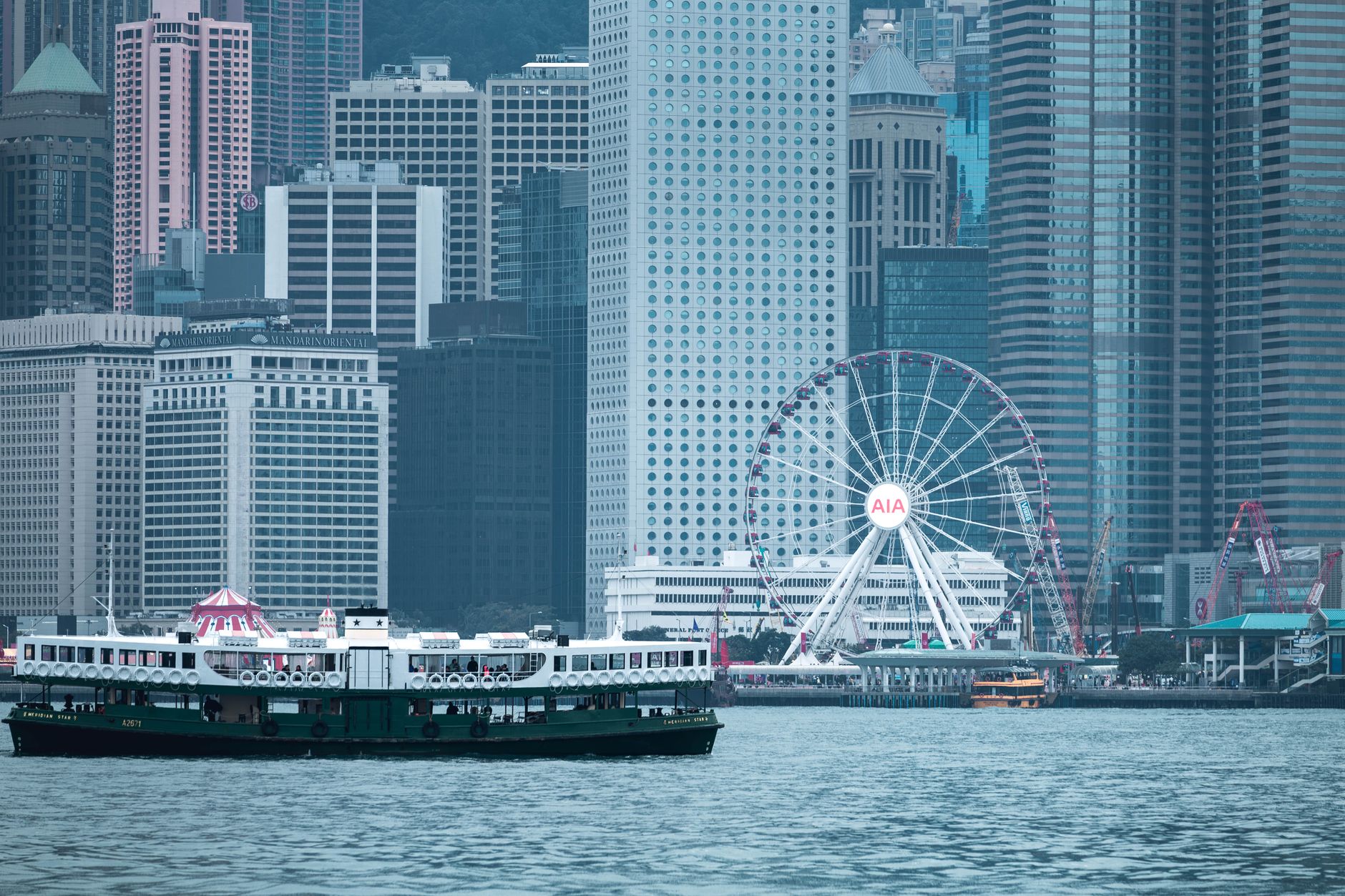
Hong Kong is leaning on its traditional strength in MICE (meetings, incentives, conferences and exhibitions) and major events to attract high‑value visitors. City officials are rolling out subsidies and promotional packages for trade fairs, concerts and sports events, while also experimenting with new cross‑border products with mainland Chinese cities in the Greater Bay Area. As competition from Singapore and regional financial hubs intensifies, tourism is seen as both an economic driver and a branding tool.
Singapore is focusing on mega‑conventions, lifestyle festivals and integrated‑resort enhancements, pitching itself as a safe, efficient and premium hub where business and leisure can be combined. The city‑state’s strengths in air connectivity, digital services and green‑finance branding are being leveraged to attract events linked to technology, sustainability and finance, positioning tourism within a broader services‑economy strategy.
In South Korea, the goal is to hit 30 million visitors a year, riding the global popularity of K‑pop, K‑dramas, beauty and cuisine. Campaigns highlight K‑culture experiences, medical and wellness tourism, and nature escapes beyond Seoul and Busan, often in partnership with streaming platforms and entertainment agencies. Japan, for its part, continues to capitalise on pent‑up demand for Tokyo, Osaka and Kyoto, but is also promoting regional destinations to disperse tourist flows and share benefits more widely.
This tourism arms race has clear implications for Gulf travellers. Airlines from the UAE, Saudi Arabia and Qatar are expanding capacity to Manila, Cebu, Phuket, Bali, Seoul, Tokyo and Kuala Lumpur, while also hosting inbound campaigns to attract Asian visitors to Dubai, Riyadh and Doha. Package tours increasingly bundle multiple countries—such as Singapore‑Malaysia‑Thailand or Japan‑South Korea—competing directly with single‑country itineraries.
Environmental and community concerns are rising alongside visitor targets. Overtourism pressures in parts of Thailand, Indonesia and Japan have sparked debates over visitor caps, tourism taxes and zoning rules, while climate risks threaten coastal and island destinations. ASEAN’s new 2026–2030 tourism roadmap emphasises “high‑value, low‑impact” growth and climate‑resilient infrastructure, but implementing such principles amid competitive pressures will be challenging.
For investors and hotel groups, the surge in campaigns signals continued demand for hospitality, entertainment and real‑estate projects, but also heightens the risk of oversupply and margin compression in some markets. Success will favour destinations and brands that can differentiate on experience quality, sustainability and connectivity, rather than just discounting. As 2026 progresses, Asia’s tourism battleground will provide a vivid test of whether bigger visitor numbers can be reconciled with climate realities and local‑community interests.

Written by
TPC Editorial Desk
The Platinum Capital editorial desk
Articles on The Platinum Capital are produced by the TPC editorial desk with the assistance of AI tools, and edited before publication. TPC Awards profiles are based on information provided in nominations and checked against public sources. Reach out at info@theplatinumcapital.com.


