
Australia Accelerates Renewable Energy Transition with Record 7.5 GW Capacity Added in 2024
SYDNEY – Australia achieved unprecedented renewable energy expansion in 2024 by adding a record 7.5 gigawatts of capacity across large-scale power stations and small-scale rooftop installations, with renewable generation now representing approximately 32 percent of total electric…
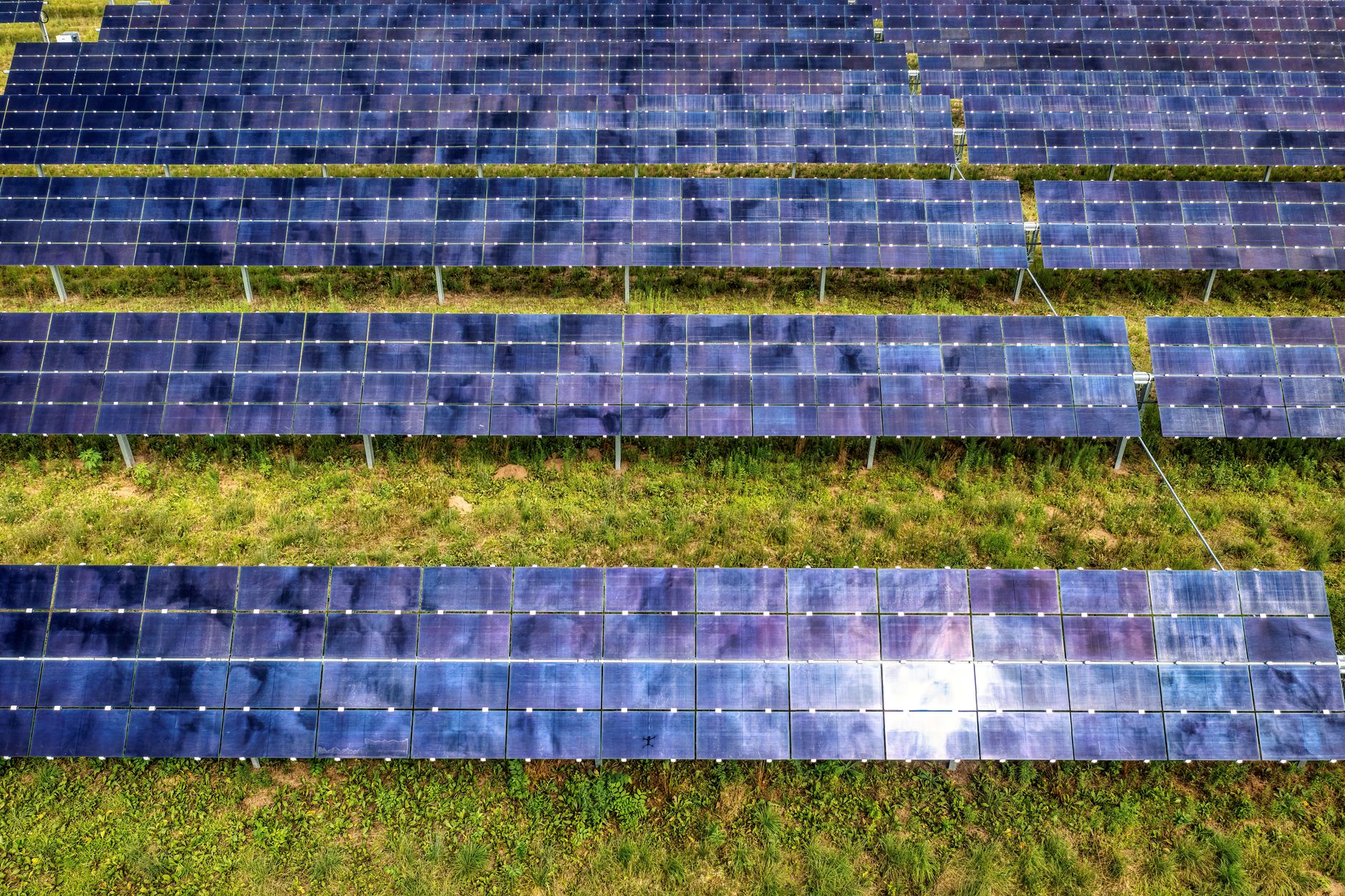
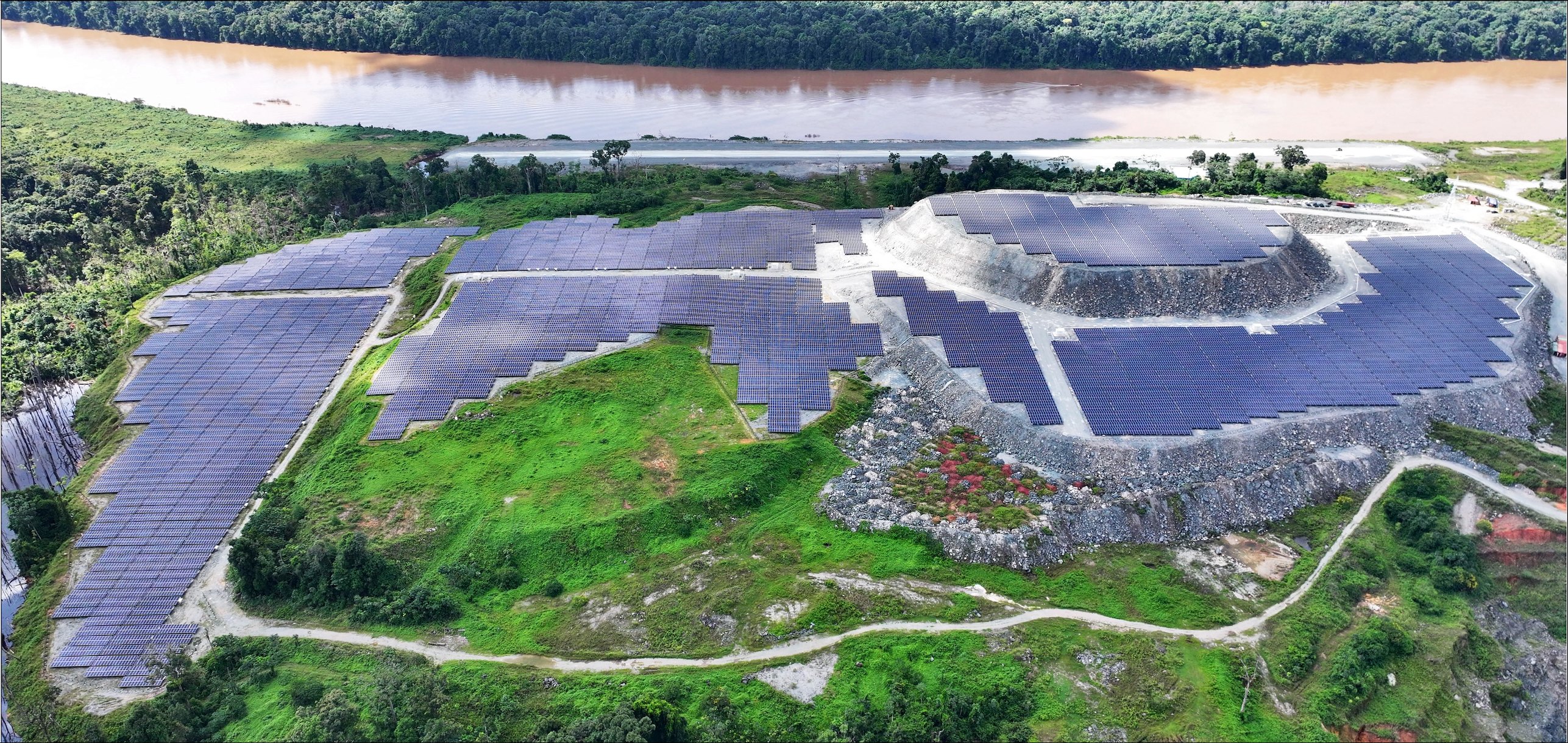
SYDNEY – Australia achieved unprecedented renewable energy expansion in 2024 by adding a record 7.5 gigawatts of capacity across large-scale power stations and small-scale rooftop installations, with renewable generation now representing approximately 32 percent of total electricity production as the nation races toward net-zero emissions targets despite ongoing debates over nuclear power and transmission infrastructure challenges.
The milestone year consisted of 4.3 gigawatts of approved large-scale power stations – also a record – and approximately 3.2 gigawatts of small-scale rooftop solar installations matching the pandemic-induced record set in 2021. For the second consecutive year, households and businesses also installed more than 100,000 air source heat pumps representing energy-efficient hot water systems that reduce electricity demand.
The total estimated generation incentivized by the Small-scale Renewable Energy Scheme and Large-scale Renewable Energy Target was 32,400 gigawatt hours and 50,100 gigawatt hours respectively in 2024, for combined total of 82,500 gigawatt hours. This represented around 32 percent of all electricity generation in Australia, nearly 4 percent higher than 2023 levels.
In December 2024, the Minister for Climate Change and Energy announced 19 new renewable energy projects adding 6.4 gigawatts to the National Electricity Market – enough to power three million homes. This announcement aligns with the Federal Government's broader commitment to supporting transition to a net-zero economy, with the 2024-2025 Budget allocating $22.7 billion to the Future Made in Australia plan supporting renewable energy zones, battery storage systems and large-scale hydrogen projects.
The Clean Energy Finance Corporation demonstrated the scale of investment momentum, closing $3.5 billion in new commitments in the six months to December 2024, bringing total commitments on track to deliver $13.3 billion across the renewable energy economy. The commitments involved completion of 28 transactions or approximately one per week, including critical transmission development via HumeLink and the New South Wales element of the Victoria-NSW Interconnector.
Solar energy has experienced particularly rapid growth since 2018, achieving 6.99 percent of the energy mix by 2023. Wind energy accounted for 12 percent of electricity generation, while hydro provided 5 percent. Combined, renewable energy sources accounted for 9 percent of Australian energy consumption in 2023-24, with renewable electricity generation more than doubling over the last decade.
However, challenges persist in delivering necessary transmission interconnectors to connect renewable generation and storage capacity to replace outgoing coal-fired power stations. The main roadblocks include excessive red tape, lack of national planning and coordination, and opposition from local communities and landholders. The slow pace of transmission line rollout has hindered Australia's ability to reach climate targets and could threaten reliability and security of the nation's power systems.
Renewable Energy Zones represent a key strategy addressing transmission constraints. REZs are areas with abundant renewable energy resources designated as appropriate for development from land use and environmental perspectives. Clustering large-scale renewables within REZs increases economies of scale but elevates congestion risk, necessitating transmission expansion and upgrades.
The first REZ transmission project obtaining both state and federal planning approval was EnergyCo's Orana REZ Transmission Project in New South Wales, which has capacity to deliver approximately 4,500 megawatts of electricity transmission. The project is expected to reach financial close in 2024, setting precedent for similar developments across other states targeting strategic renewable energy concentration areas.
Battery storage investment continues accelerating driven by greater frequency of negative spot prices and increased spot price volatility creating larger, more frequent arbitrage opportunities. Batteries can charge at times with relatively lower energy costs and discharge when prices are high. The first quarter of 2024 marked the fourth consecutive quarter in which energy storage projects secured financial investment commitments exceeding AUD 1 billion.
Major battery projects include the 300 megawatt or 650 megawatt-hour Mortlake Power Station Battery, the 250 megawatt or 500 megawatt-hour Swanbank Battery, and the Neoen Collie Battery commencing Stage 2 construction to become Australia's biggest battery upon completion. These large-scale storage facilities are essential for grid stability as intermittent renewable generation displaces dispatchable fossil fuel plants.
The Capacity Investment Scheme announced successful projects under Tender 1 in December 2024, consisting of 19 projects with combined 6.4 gigawatts generation capacity and approximately 3.6 gigawatt-hours storage capacity. Solar projects comprised 2.8 gigawatts of generating capacity, with wind projects making up remaining 3.6 gigawatts. Notably, 8 of the 19 successful projects were hybrid generation and storage projects reflecting increasing importance of dispatchable power to renewable energy transition.
Nuclear power emerged as a contentious political issue when the federal opposition announced plans to build seven nuclear power plants by 2050 if elected in June 2024. Nuclear power is currently banned under federal and state laws including the Australian Radiation Protection and Nuclear Safety Act 1998 and Environment Protection and Biodiversity Conservation Act 1999. The opposition argues nuclear provides reliable baseload power complementing renewables, while government and industry experts cite high costs, long development timelines and safety concerns.
Hydroelectric projects face their own challenges. Snowy 2.0 Pumped Storage Power Station, once slated for completion in 2021, has experienced repeated delays and is now expected to be finished by December 2028 with commissioning in 2029. The project budget expanded from initial $2 billion estimate to $12 billion, reflecting unforeseen complexities in planning, technical challenges that emerged during implementation, and unprecedented COVID-19 disruption impacts.
Queensland Premier David Crisafulli announced cancellation of the Pioneer-Burdekin Pumped Hydro Project in November 2024, citing financial unviability, environmental approval issues and lack of Traditional Owner consent. The decision highlights growing challenges securing social license for major infrastructure projects, particularly those affecting Indigenous lands and sensitive environmental areas.
Tasmania leads Australian states in renewable energy achievement, having reached its target of 100 percent renewable energy by 2022 ahead of schedule. The state now targets production of 200 percent renewable energy by 2040, enabling substantial exports to mainland states via undersea interconnectors. This goal is advanced by the Climate Change Action Plan 2017-2021 focusing on enhancing government investment in existing hydropower assets.
New South Wales aims for zero emissions across the state economy by 2050, implementing comprehensive programs supporting renewable energy deployment, energy efficiency improvements and electrification of transport and industry. Victoria, Queensland and South Australia have similar net-zero commitments with varying target dates and implementation strategies.
Western Australia remains the only state yet to commit to formal renewable energy targets as of 2024, though the state government has implemented various programs supporting solar, wind and emerging technologies including green hydrogen. The Northern Territory's previous 50 percent renewable energy target by 2030 was scrapped in March 2025 by the Country Liberal government despite supporting the target while in opposition.
Offshore wind represents an emerging opportunity, with Victoria and New South Wales issuing Australia's first feasibility licenses marking critical steps toward developing this new renewable energy source. Offshore wind offers advantages including stronger, more consistent wind resources compared to onshore locations and avoiding land-use conflicts, though capital costs and technical complexities remain higher than established onshore technologies.
Looking forward, Australia's renewable energy sector faces both opportunities and substantial challenges. The nation possesses world-class solar and wind resources, technical expertise, capital availability and strong public support for climate action. However, realizing the full potential requires addressing transmission infrastructure gaps, securing social licenses for major projects, managing workforce transitions in fossil fuel-dependent regions, and maintaining policy consistency across electoral cycles. The next five years will prove critical determining whether Australia achieves its 2030 and 2050 climate commitments.

Written by
TPC Editorial Desk
The Platinum Capital editorial desk
Articles on The Platinum Capital are produced by the TPC editorial desk with the assistance of AI tools, and edited before publication. TPC Awards profiles are based on information provided in nominations and checked against public sources. Reach out at info@theplatinumcapital.com.