Bricks, Bytes and Patience: UAE and India Show Why Real Estate Is Still a Long Game in an AI World
Real estate in 2025 is no longer just about residential cycles and office vacancies. From Dubai’s slow‑and‑steady wealth‑building mantra to India’s milestone in Grade‑A office stock and a global scramble for data‑center capacity, recent reports underscore how property is being re…
Real estate in 2025 is no longer just about residential cycles and office vacancies. From Dubai’s slow‑and‑steady wealth‑building mantra to India’s milestone in Grade‑A office stock and a global scramble for data‑center capacity, recent reports underscore how property is being reshaped by demographics, digital infrastructure and the AI boom.
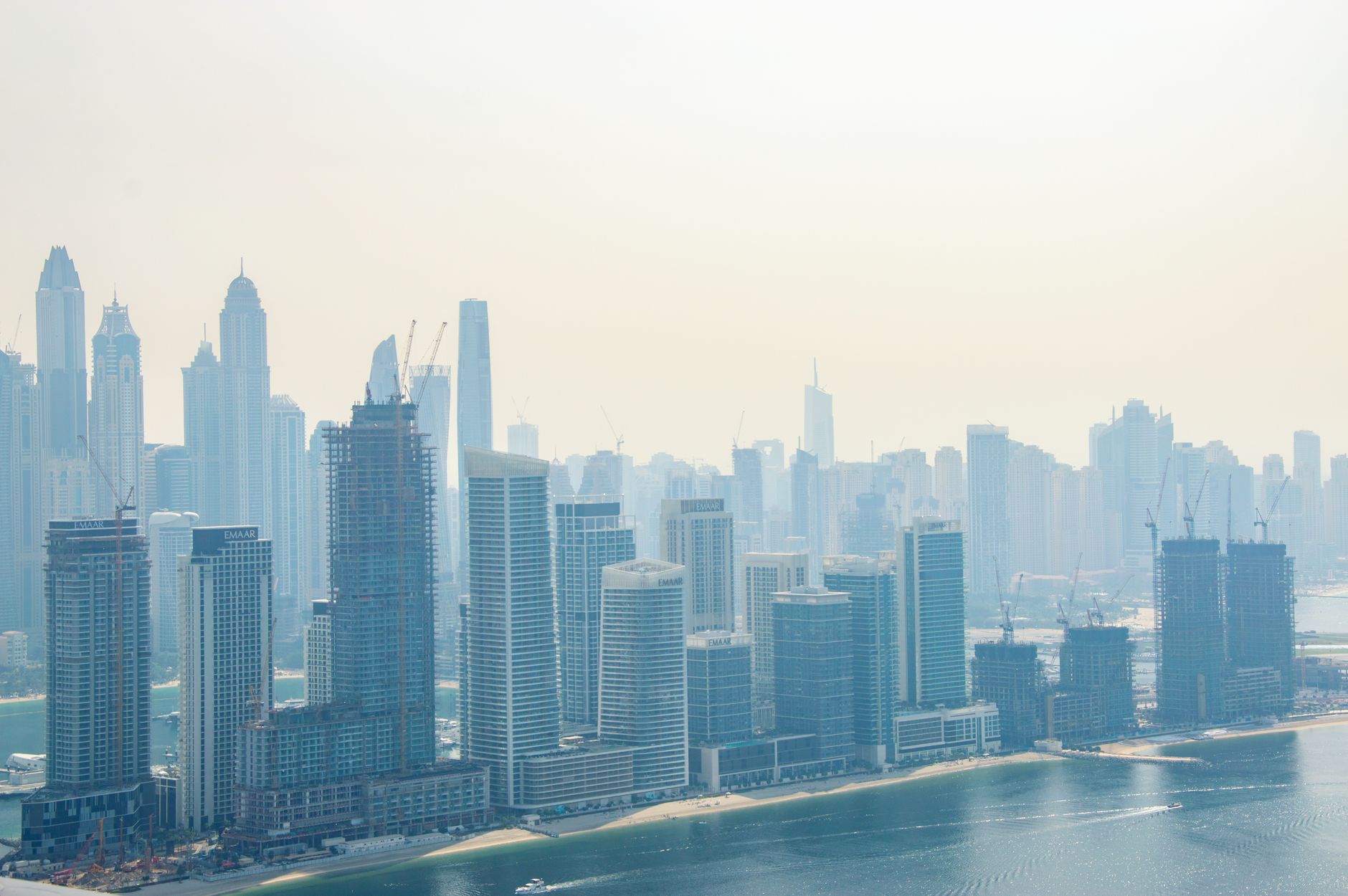
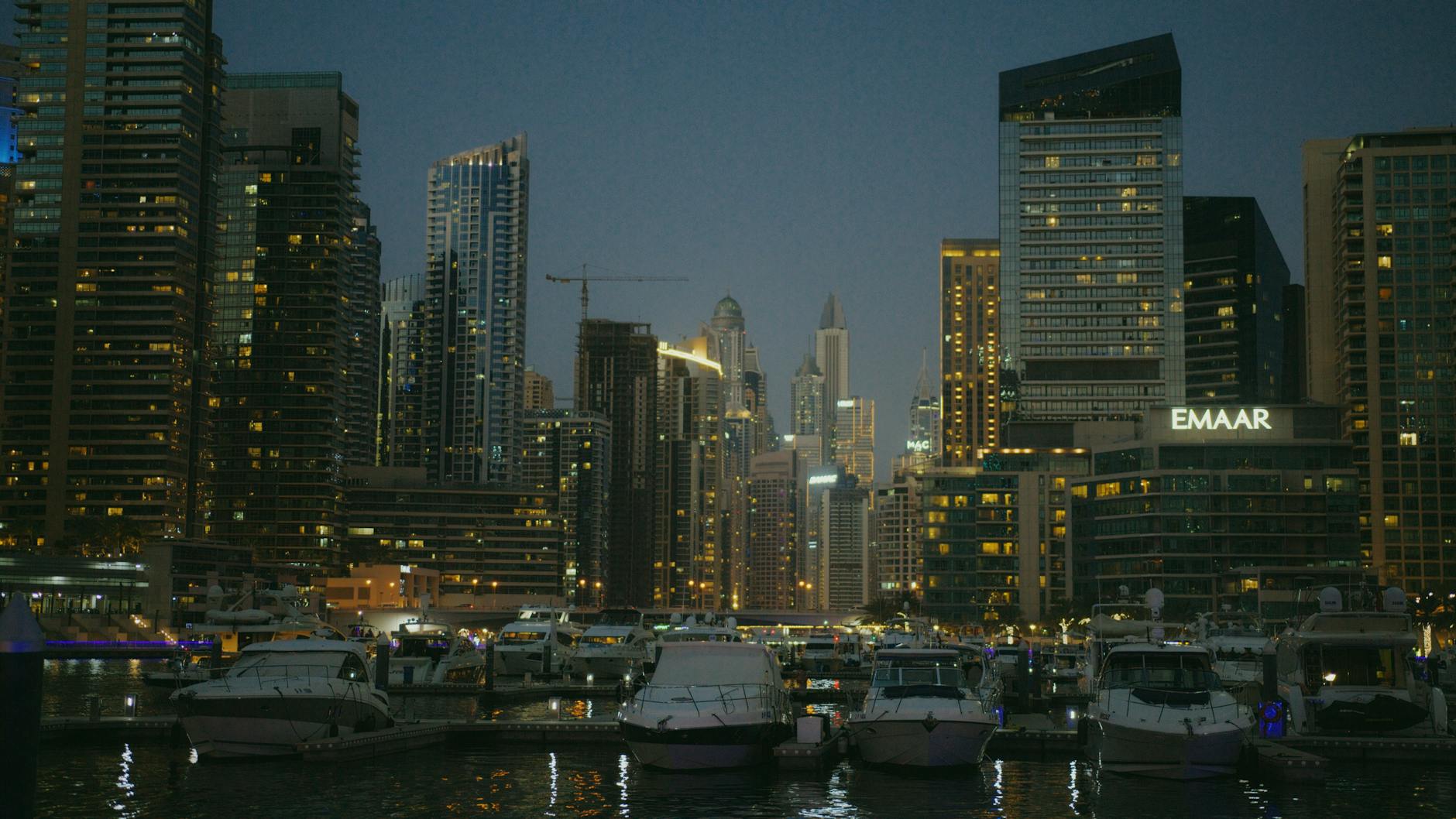
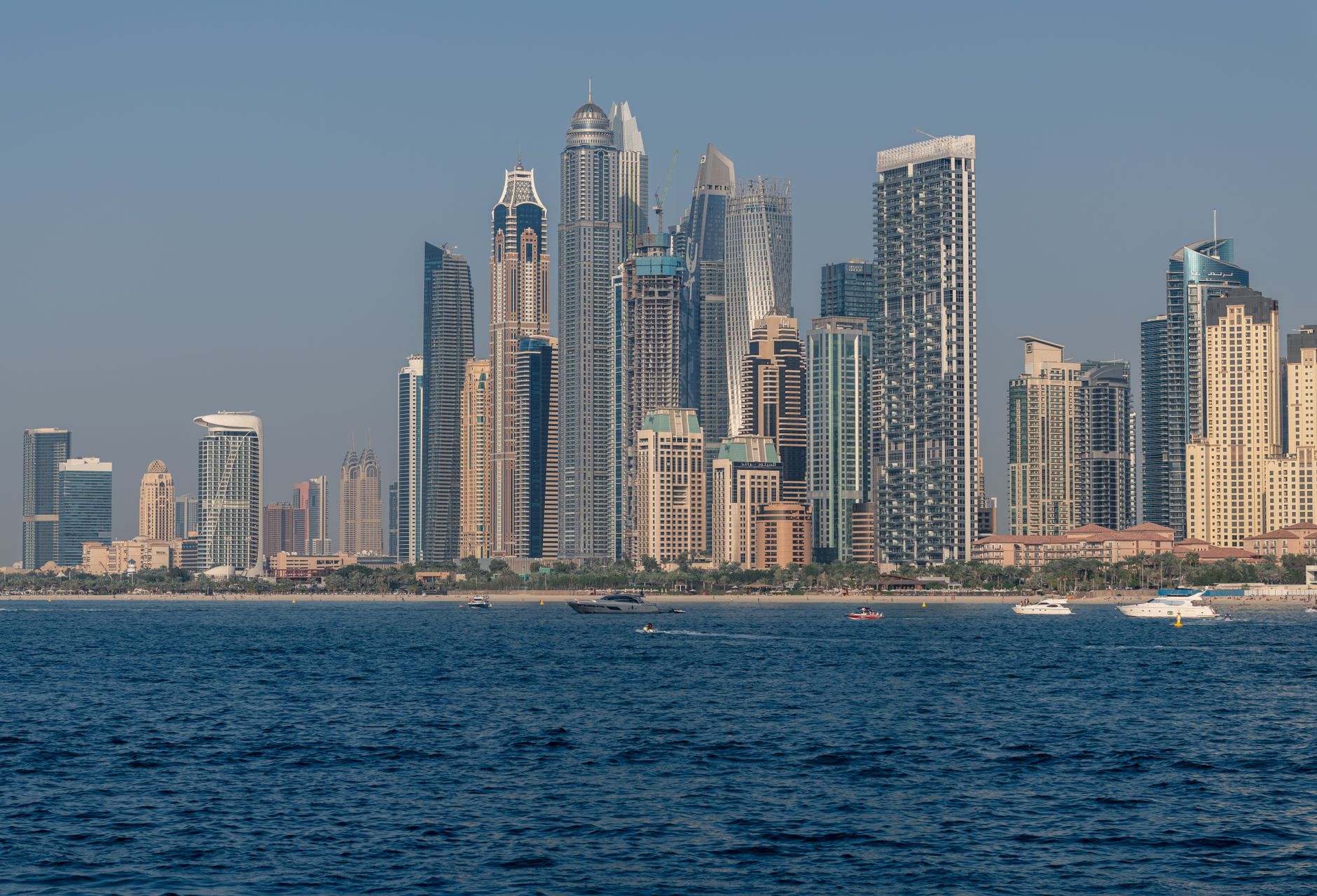
In the UAE, a Khaleej Times feature argues that “slow, steady but strategic” exposure to real estate remains one of the most reliable ways to build wealth, even amid market volatility. The country’s residential real‑estate market is projected to grow from 143.22 billion dollars in 2025 to about 217.09 billion dollars by 2030, supported by population growth, high‑net‑worth migration and continued investment in tourism and business hubs. Analysts emphasise disciplined leverage, diversification across locations and asset types, and long holding periods as key success factors.
Gulf‑wide, Markaz’s H1‑2025 outlook painted a robust picture: Dubai, Saudi Arabia and Kuwait all saw double‑digit growth in real‑estate transactions, with residential prices up around 5 percent and commercial values roughly 2.5 percent higher. Saudi Arabia recorded a more than 160 percent jump in commercial deals, tied to Vision 2030 megaprojects and expanding non‑oil sectors, even as fiscal deficits widen on weaker oil revenues. Kuwait’s market is benefiting from a projected swing back to GDP growth in 2025, with project activity and consumer spending bolstering demand for commercial and industrial space.
India, meanwhile, has been singled out as one of Asia‑Pacific’s most resilient real‑estate markets despite global uncertainty. A JLL‑linked report notes that Grade‑A office stock across the country’s top eight cities has crossed the 1‑billion‑square‑feet mark, a milestone driven by continued demand from technology, global capability centers and flexible‑office operators. Residential markets have held up as well, with improved affordability metrics in some cities and sustained interest from both end‑users and investors. Structural drivers such as urbanization, infrastructure upgrades and regulatory reforms (including RERA) are cited as key underpinnings.
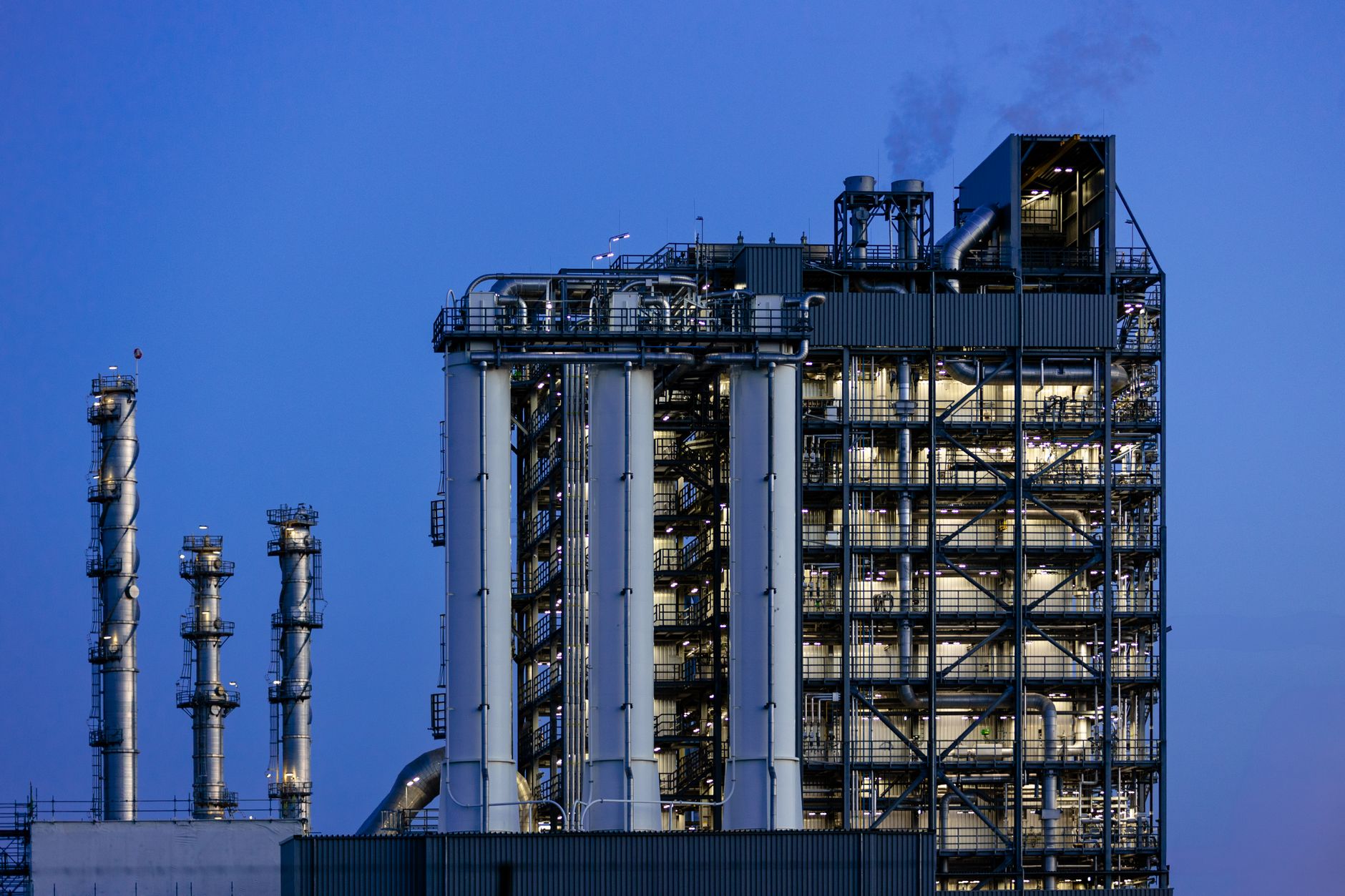
Overlaying these traditional segments is the meteoric rise of data‑center real estate. In a recent Bloomberg interview, Elizabeth Bell, co‑head of real estate at Hamilton Lane, said global data‑center demand has surged more than 200 percent since 2010, driven largely by cloud computing and, more recently, AI. She argued that data centers are now a “long‑term real‑estate driver,” with tenants signing longer leases and investors viewing them as infrastructure‑like assets rather than niche properties. Locations with reliable power, connectivity and supportive regulation are seeing intense competition for land and grid access.
Both the UAE and India are vying for a larger slice of this digital‑infrastructure pie. The UAE’s broader AI and digital‑hub strategy explicitly highlights data centers as critical assets, with international and local operators building capacity in Abu Dhabi and Dubai to serve both regional and global clients. India’s data‑center market is expanding quickly in Mumbai, Chennai, Hyderabad and other cities, supported by cloud adoption, data‑localization rules and a growing base of digital‑native businesses. In both countries, data‑center development is reshaping land values and creating new sub‑segments of real‑estate investment trusts (REITs) and private‑equity funds.
For investors, this convergence of traditional property and digital infrastructure presents both opportunities and complexities. Residential and office assets continue to benefit from macro drivers—population growth, urbanization, policy support—while data centers, logistics parks and tech‑enabled industrial estates offer growth linked to AI and e‑commerce. However, each asset class carries distinct risks, from regulatory and technology obsolescence in data centers to policy and interest‑rate sensitivity in housing.
The common thread in recent commentary is time horizon. Whether in Dubai’s villa communities, Riyadh’s business parks, Mumbai’s office corridors or Abu Dhabi’s data‑center clusters, experts stress that real estate rewards patience, diversification and active asset management more than short‑term speculation. In an era when AI trades and meme stocks dominate headlines, the slow compounding of well‑chosen property—both physical and digital—may remain one of the steadier paths to long‑term wealth in the Gulf and Asia alike.

Written by
TPC Editorial Desk
The Platinum Capital editorial desk
Articles on The Platinum Capital are produced by the TPC editorial desk with the assistance of AI tools, and edited before publication. TPC Awards profiles are based on information provided in nominations and checked against public sources. Reach out at info@theplatinumcapital.com.