Dubai’s Tasreef Drainage Push And GCC Mega‑Pipelines Redefine Urban Resilience
Dubai is quietly executing one of the region’s most ambitious urban resilience programs as it accelerates Tasreef, a multi‑year initiative to expand the emirate’s rainwater drainage capacity by about 700% by 2033. A series of engineering, procurement, and construction contracts a…
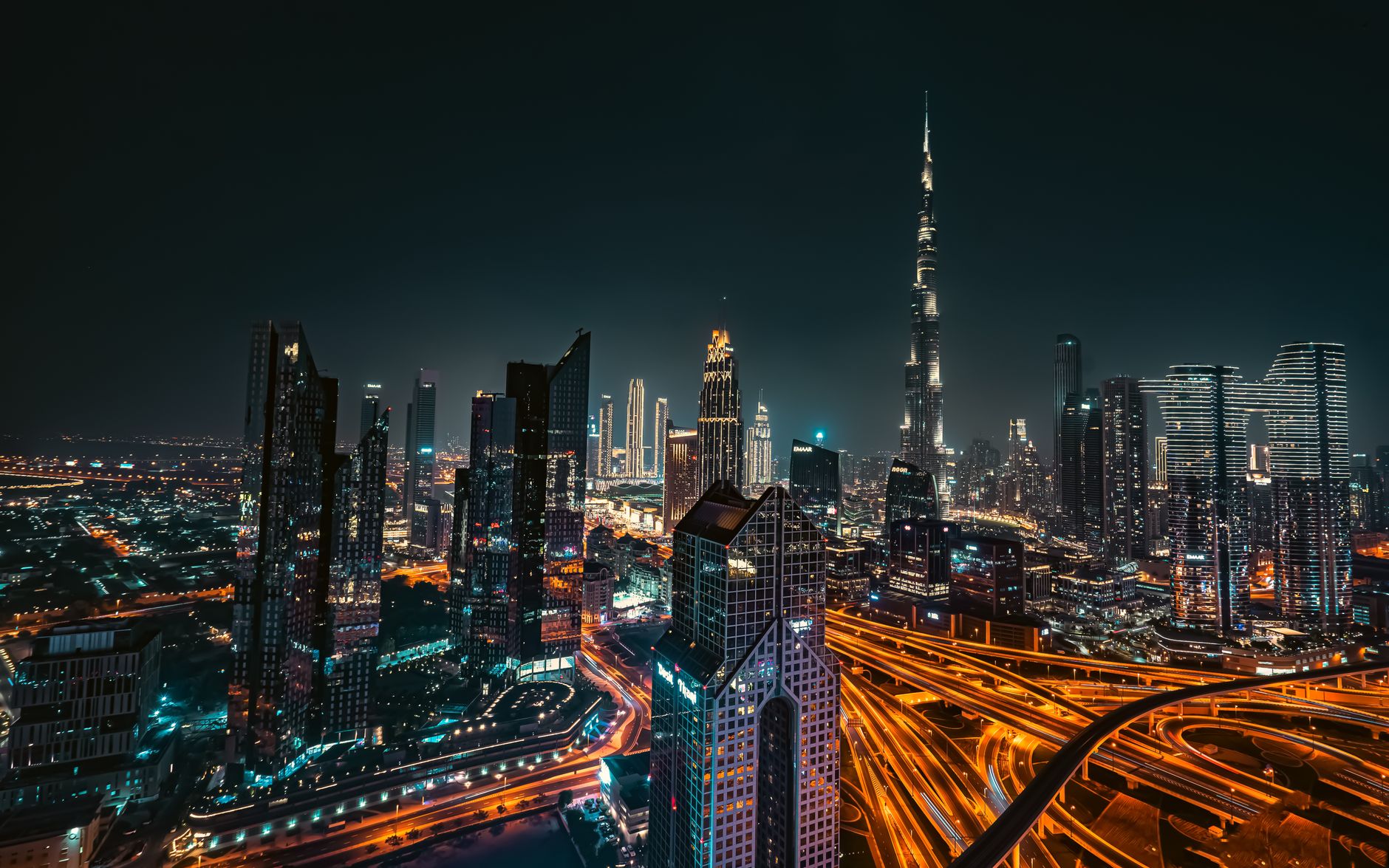
Dubai is quietly executing one of the region’s most ambitious urban resilience programs as it accelerates Tasreef, a multi‑year initiative to expand the emirate’s rainwater drainage capacity by about 700% by 2033. A series of engineering, procurement, and construction contracts awarded under Tasreef underscores how climate‑risk management is becoming central to Gulf infrastructure planning.
According to the February 2026 MEED Business Review, three priority projects—TF‑15‑C1, TF‑15‑C2, and TF‑13‑C1—will extend stormwater links along key corridors and into fast‑growing residential districts. TF‑15‑C2 will deliver new drainage connections along Umm Suqeim Road to serve Al Barsha and Al Quoz, while TF‑13‑C1 focuses on Al Marmum, an area that has experienced rapid development on the emirate’s periphery.
The Tasreef contracts reflect lessons from recent heavy‑rain episodes that temporarily flooded sections of Dubai’s road network and spotlighted the vulnerability of low‑lying developments. By designing larger‑diameter tunnels and integrated pumping stations, the emirate aims not only to handle extreme events but also to future‑proof new districts that are still on the drawing board.
Across the wider GCC, major infrastructure spending pipelines are converging. Abu Dhabi’s Projects and Infrastructure Centre is seeking partners for projects worth 54 billion dollars over the next five years, with aspirations to double that figure by 2040. The pipeline spans transport, utilities, and social infrastructure across Abu Dhabi city, Al Ain, and Al Dhafra, with a blend of public‑budget funding and potential public‑private partnerships.
Saudi Arabia’s infrastructure story is dominated by giga‑projects, but parallel investments in roads, drainage, and logistics hubs are equally crucial. Recent tenders in Qassim for an international airport on a PPP model, as well as large drainage and O&M contracts in Madinah and Qatar West, highlight how second‑tier cities are being upgraded to support national diversification agendas.
Oman is moving forward with the construction of a hazardous‑waste disposal center, a technically demanding project intended to support industrialization while managing environmental risks. In Qatar, Japanese financing for the Facility E independent water and power project underscores how Asia‑GCC partnerships are funding critical desalination and power capacity.
Digital infrastructure is part of the same transformation. Events like Capacity Middle East 2026 in Dubai bring together subsea cable, cloud, and data‑center executives to align physical telecom networks with the region’s broader infrastructure boom. With AI and cloud workloads surging, planners increasingly treat fiber, subsea landing stations, and data centers as core utilities alongside electricity and water.
The upshot is that Gulf infrastructure is becoming more integrated and resilience‑focused. Initiatives such as Tasreef show how climate adaptation is now embedded in drainage and transport projects, while Abu Dhabi’s 54‑billion‑dollar pipeline and cross‑border financing deals with Asian partners signal a long runway for contractors and investors across transport, utilities, and digital networks.

Written by
TPC Editorial Desk
The Platinum Capital editorial desk
Articles on The Platinum Capital are produced by the TPC editorial desk with the assistance of AI tools, and edited before publication. TPC Awards profiles are based on information provided in nominations and checked against public sources. Reach out at info@theplatinumcapital.com.