Egypt and Jordan Court Gulf Capital for Grids and Gas as Energy Security Rises on Regional Agenda
Egypt and Jordan are stepping up efforts to attract Gulf and Asian capital into power, gas and grid‑modernisation projects, framing energy security and transition as twin priorities in a region where demand is rising and climate shocks are intensifying. As development banks roll …
Egypt and Jordan are stepping up efforts to attract Gulf and Asian capital into power, gas and grid‑modernisation projects, framing energy security and transition as twin priorities in a region where demand is rising and climate shocks are intensifying. As development banks roll out climate‑finance platforms for ASEAN, Middle Eastern policymakers are watching closely and exploring parallel frameworks for their own infrastructure gaps.
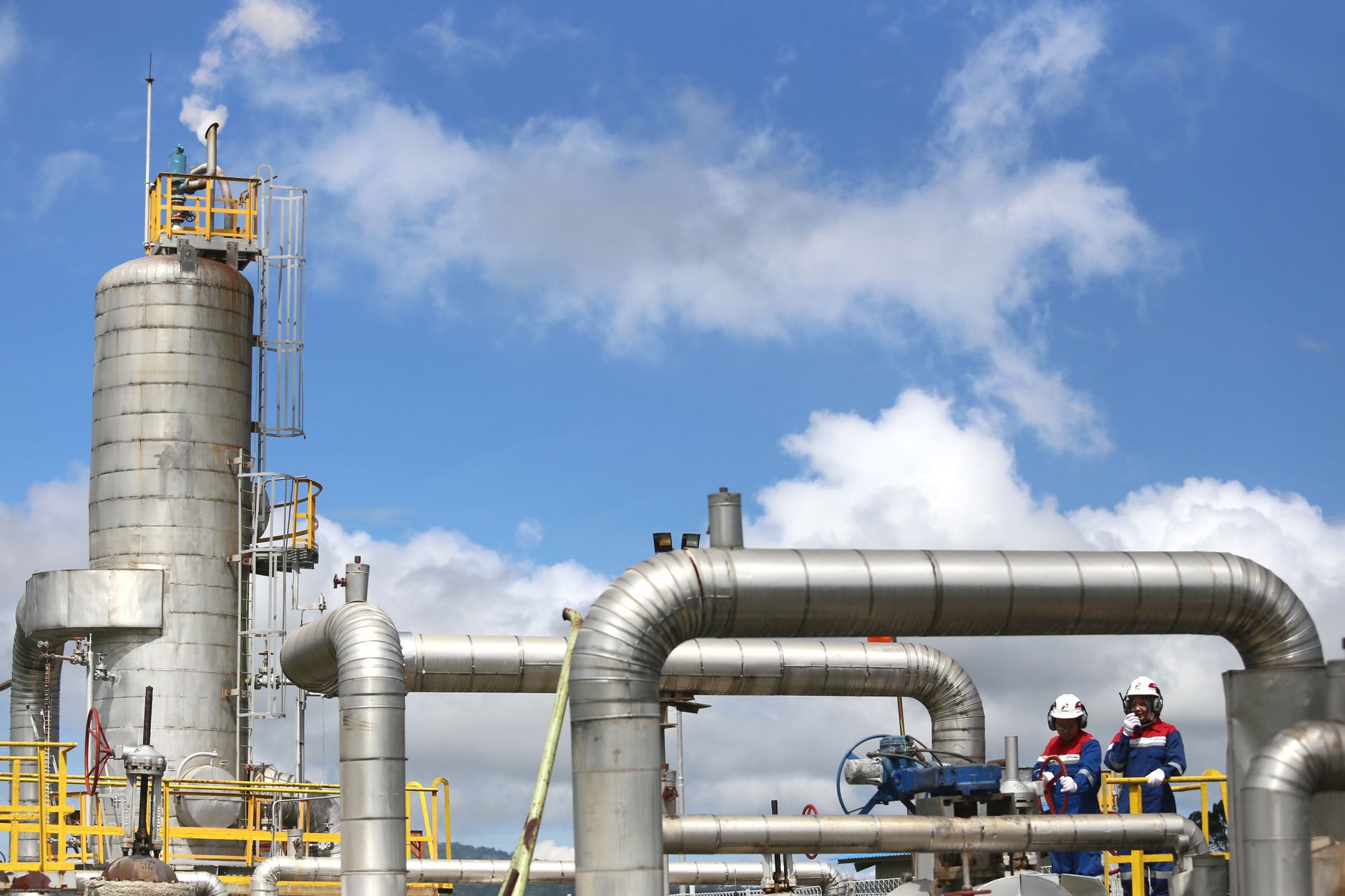
Egypt’s energy system has undergone dramatic swings in the past decade, moving from chronic gas shortages to temporary surplus before tight balances resurfaced amid population growth, industrialisation and shifting export commitments. The government is now prioritising investments in gas‑fired power, transmission upgrades and renewables, while courting Gulf sovereign funds and utilities as strategic partners. Recent deals in ports, logistics and financial services have shown that Abu Dhabi, Riyadh and Doha are willing to commit capital, provided regulatory and FX risks are manageable.
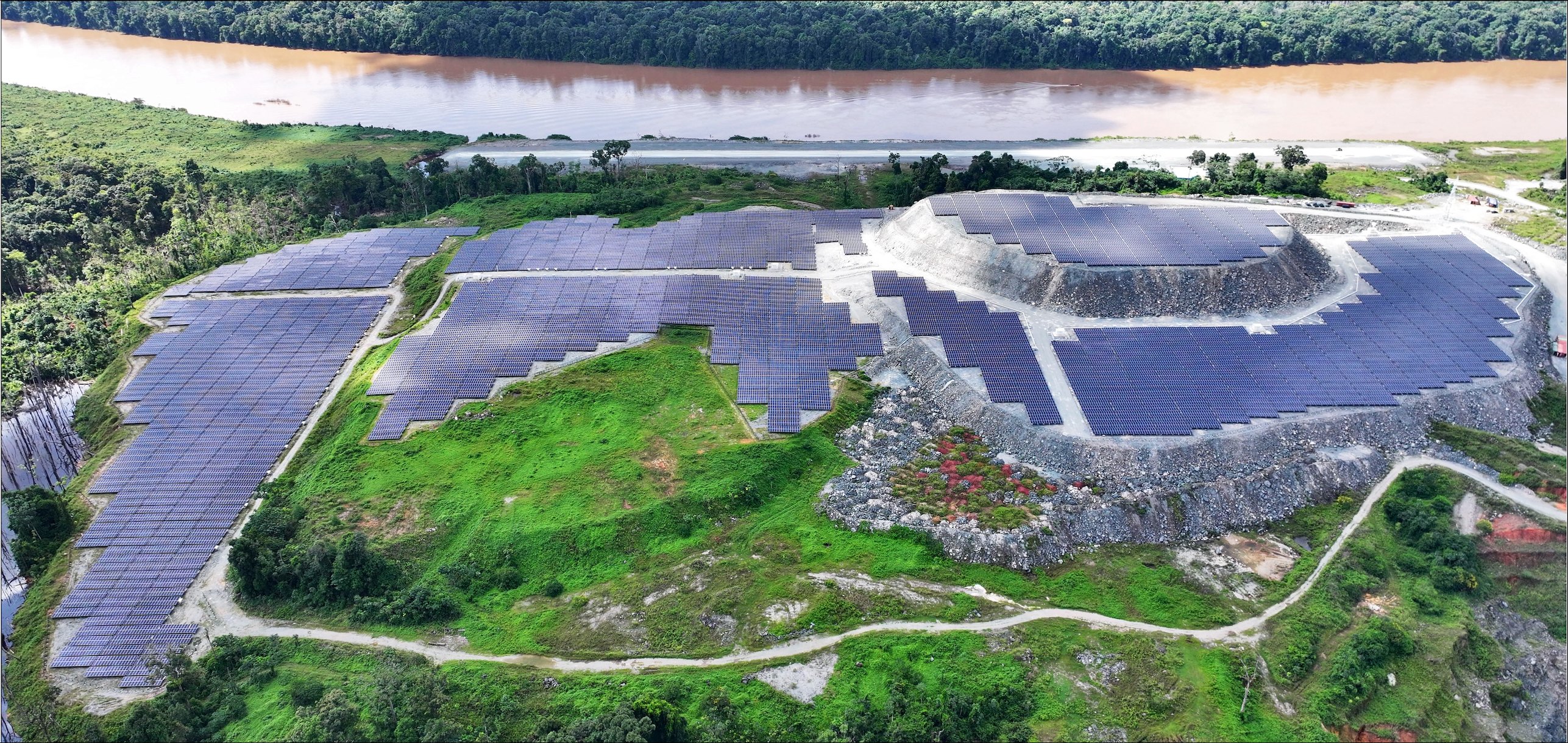
Jordan, for its part, remains heavily reliant on energy imports and vulnerable to regional supply disruptions. Amman is seeking to accelerate projects in renewables, storage and interconnection, positioning itself as a transit and balancing hub between Egypt, Iraq, Saudi Arabia and the Levant. Officials have floated ideas for more cross‑border power‑trading schemes and gas‑pipeline arrangements, which could attract infrastructure funds and multilateral financing if coupled with clear regulatory frameworks.
Gulf investors are weighing these opportunities against their own domestic needs. A PwC review of GCC economic themes notes that governments are prioritising grid resilience, renewables and hydrogen projects at home, even as they look outward for strategic stakes in ports, pipelines and utilities across the wider region. For sovereign funds like PIF, Mubadala and ADQ, Egyptian and Jordanian energy assets offer both financial returns and geopolitical influence in key transit states.
Climate‑finance debates are adding another layer. While ASEAN is building an ASEAN Climate Finance Policy Platform to align budgets and policies with net‑zero pathways, Middle Eastern finance ministries are at earlier stages of integrating climate risk into fiscal and debt management. Egypt’s role as COP27 host raised awareness of the need for blended‑finance structures and just‑transition support, but implementation has been slow. Blue‑carbon and nature‑based solutions, which ASEAN is profiling for coastal protection, could have analogues in Red Sea and Mediterranean ecosystems if governance hurdles are addressed.
For private investors, the appeal lies in long‑term, often dollar‑linked cash flows from utility‑style assets, but concerns persist about tariff adequacy, payment discipline and currency‑convertibility. Credit‑enhancement tools—from partial guarantees to political‑risk insurance—are seen as critical for crowding in Gulf and Asian institutions that have alternative opportunities in more stable markets. Some investors prefer minority stakes alongside multilateral lenders, which can serve as anchor partners and policy interlocutors.
Jordan and Egypt are also exploring opportunities in regional gas‑trade and LNG infrastructure, including storage, regasification and potential role in future hydrogen corridors. Here too, capital from Qatar, the UAE and Saudi Arabia could be pivotal, especially if linked to long‑term offtake agreements that underpin project bankability. However, shifting global gas‑demand outlooks and climate‑policy trajectories make timing and scale delicate strategic calls.
Leadership choices in Cairo and Amman will determine whether these opportunities crystallise. Transparent tendering, credible regulatory bodies and predictable contract enforcement are top investor demands. Domestic political pressures over energy prices and subsidy reform complicate the picture; populist rollbacks or sudden policy shifts could chill interest just as capital is most needed.
In a decade defined by energy‑transition uncertainty and climate stress, Egypt and Jordan cannot afford either complacency or incoherence. Their ability to frame energy projects as part of a broader, investor‑friendly development story—connecting Gulf capital, European climate goals and regional integration—will shape not only their own resilience, but also the stability of the wider Middle East power system.

Written by
TPC Editorial Desk
The Platinum Capital editorial desk
Articles on The Platinum Capital are produced by the TPC editorial desk with the assistance of AI tools, and edited before publication. TPC Awards profiles are based on information provided in nominations and checked against public sources. Reach out at info@theplatinumcapital.com.