

Egypt Tourism Industry Experiences Historic Boom With Twenty-Six Percent Growth and Major Infrastructure Investments
Egypt's tourism sector is experiencing unprecedented growth in 2025, with visitor arrivals surging twenty-six percent in the January-to-May period compared to the same timeframe in the previous year. The dramatic increase follows strategic government initiatives, infrastructure i…
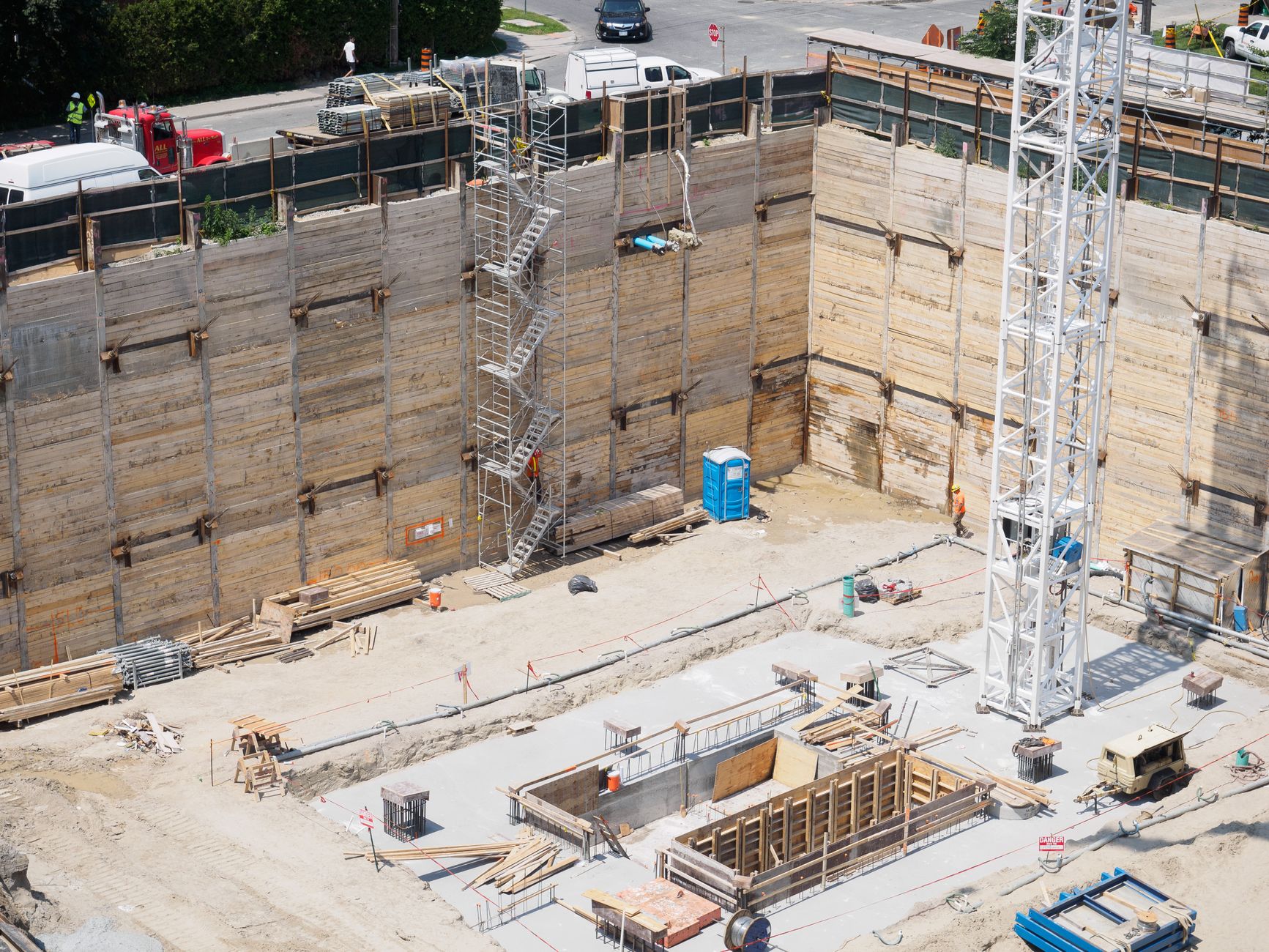
Egypt's tourism sector is experiencing unprecedented growth in 2025, with visitor arrivals surging twenty-six percent in the January-to-May period compared to the same timeframe in the previous year. The dramatic increase follows strategic government initiatives, infrastructure investments, and successful marketing campaigns that have repositioned Egypt as a premier global destination.
Inbound tourism rose by twenty-six percent just in January through May 2025 alone, a stark increase versus four to six percent growth in the same period a year earlier. This acceleration follows momentum from 2024, which saw a record-breaking fifteen-point-eight million visitors, demonstrating sustained recovery and growth beyond pre-pandemic levels.
The Egyptian government currently lists tourism as a foundation of its economy and a primary earner of foreign currency, having rolled out a strategic national tourism plan with bold targets of thirty million visitors annually by 2028. The initiative represents a mix of infrastructure investments, policy reforms, and international cooperation intended to deliver long-term sustainable growth.
The biggest initiative was the fifty billion Egyptian pound incentive program unveiled in December 2023, aimed at stimulating private sector investment in hotel construction and hospitality projects. This substantial funding demonstrates government commitment to expanding capacity and improving quality across the tourism infrastructure.
On June 17, 2025, Egyptian Prime Minister Mostafa Madbouly hailed the signing of a Memorandum of Understanding worth two hundred sixty-five million dollars to create new hotel rooms and branded residences in key tourist spots. The deal is part of Egypt's plans to add eighteen thousand hotel rooms by 2025.
Long-term plans aim to boost capacity by over two hundred thousand rooms over the next two to three years. This rapid scaling of infrastructure will not only add to overall carrying capacity but will also enhance tourist experience by providing modern, globally competitive facilities aligned with international hospitality standards.
Egypt currently leads Africa in hotel development with one hundred forty-three hotels and nearly thirty-four thousand rooms under development, up significantly from one hundred nine hotels with approximately twenty-six thousand rooms in 2024, according to a 2025 industry report.
The government expects around seventeen-point-seven-six million visitors by end of 2025, rising to eighteen-point-five-six million in 2026. The first half of 2025 alone saw about eight-point-seven million tourists, a roughly twenty-four percent jump from the same period in 2024.
In the fourth quarter of fiscal year 2024-25, tourism, hospitality, and restaurant services expanded by nineteen-point-three percent, the highest among all economic sectors. This surge reflects not just pent-up demand but also renewed investor confidence, better infrastructure, and an ambitious national tourism strategy.
The Egypt Hospitality Market is expected to reach twenty-point-one-one billion dollars in 2025 and grow at a compound annual growth rate of seven-point-two-three percent to reach twenty-eight-point-five-one billion dollars by 2030, driven by expanding room pipeline, strong inbound tourism recovery, and supportive investment climate.
Resorts along the Red Sea, including famous spots like Hurghada and Sharm El Sheikh, remain among the biggest winners. As of 2025, hotels nationwide average over eighty percent occupancy, and busy weeks see many Red Sea resorts nearly sold out. Such demand is driving coastal luxury developments and prompting major hotel chains to expand aggressively.
Key projects like the thirty-five billion dollar Ras El Hekma development and the twenty-one billion dollar SouthMED project are pushing Egypt into a new phase of tourism development. These projects are designed to add tens of thousands of luxury hotel rooms and make Egypt a premier destination for beach tourism.
The country is also enhancing its appeal as a cruise destination, with Egypt's coastal regions such as Sharm El Sheikh and Hurghada offering high-end resorts alongside world-renowned diving and marine experiences. The North Coast is being transformed into a year-round luxury destination.
The anticipated opening of the Grand Egyptian Museum on July 3, 2025, positions Egypt to capture significant cultural tourism demand, with travel advisors reporting two hundred fifty percent increases in conversion rates from November 2024 to January 2025. The museum's partial opening already fueled massive international interest.
Hotel occupancy rates averaged sixty-nine percent in December 2024, representing a twenty-five percent increase from December 2023, with key destinations like Sharm El-Sheikh and Hurghada exceeding seventy-five percent occupancy. Russian bookings surged forty percent in 2024, indicating diversified source market strength.
Jordan continues to shine as a top destination for heritage and adventure tourism, with attractions like Petra and the Dead Sea. The kingdom has been focusing on attracting tourists from the Gulf region, with Saudi Arabia contributing a significant share to the increased number of arrivals.
Combined Egypt and Jordan tours have become increasingly popular, with fourteen-day cultural odysseys connecting iconic sites from the Pyramids of Giza to Petra's rose-colored ruins. The Dead Sea's mineral waters, Nile cruising past Luxor and Karnak temples, and Valley of the Kings attract international travelers.
Five-star Cairo hotels and luxury Petra camps provide comfort while expert guides share deep insights into ancient civilizations. Nineteen-day adventures through both countries feature traditional felucca sailing on the Nile, desert camping in Wadi Rum, and comprehensive guided tours with expert Egyptologists.
Tourism operators report that winter tours from December through February benefit from cooler temperatures for exploring Luxor's Valley of the Kings and wandering through Petra's narrow canyons. Spring brings ideal conditions during March and April when mild temperatures make desert travel truly comfortable.
Both Egypt and Jordan remain open to travelers in 2025, and tourism is very much alive and well. While the region can experience political shifts, the areas most travelers visit—like Cairo, Luxor, Aswan, Petra, and the Dead Sea—have remained stable and safe for visitors.
Local guides, tour operators, and hotels stay well-informed and ready to adapt if anything changes. Tourism is a significant part of life in both countries, so there's real effort behind keeping operations running smoothly and maintaining high safety standards for international visitors.
Egypt has also diversified its tourism products in response to evolving international travel trends, notably among younger eco-conscious tourists. The government is promoting eco-friendly accommodations and responsible travel options that benefit both visitors and local communities.
In Luxor, tour guides who were hard hit during the pandemic are now leading numerous groups through ancient temples. At Hurghada, hotel employees greet newly arriving customers from around the globe. In Siwa, residents provide their knowledge of the desert and experiences with natural landscapes while preserving their way of life through eco-tourism.
The broader Middle East and North Africa region is witnessing a tourism surge in 2025, with countries such as Morocco, UAE, Saudi Arabia, Egypt, Jordan, and Oman leading the charge. This dramatic growth in visitor arrivals is reshaping local economies while pushing for more sustainable travel practices.
For travelers, Egypt today offers far more than ancient monuments. Whether seeking pristine beach resorts on the Red Sea, modern city living in the New Administrative Capital, or cultural richness in historic cities, there's a vibrant new ecosystem waiting to be discovered.
For investors and hoteliers, the numbers show robust demand, rising tourist arrivals, and strong government support creating favorable conditions for long-term investments. The combination of cultural heritage, natural beauty, and modern infrastructure positions Egypt for sustained tourism growth.

Written by
TPC Editorial Desk
The Platinum Capital editorial desk
Articles on The Platinum Capital are produced by the TPC editorial desk with the assistance of AI tools, and edited before publication. TPC Awards profiles are based on information provided in nominations and checked against public sources. Reach out at info@theplatinumcapital.com.


