

GCC Banking Sector Posts Robust Performance Despite Tighter Liquidity Conditions
DUBAI – Gulf Cooperation Council banks demonstrated resilient performance in the first half of 2025, delivering a return on equity of 13.2 percent alongside strengthened asset quality and capital positions, according to recent industry analysis. The sector's solid showing comes a…
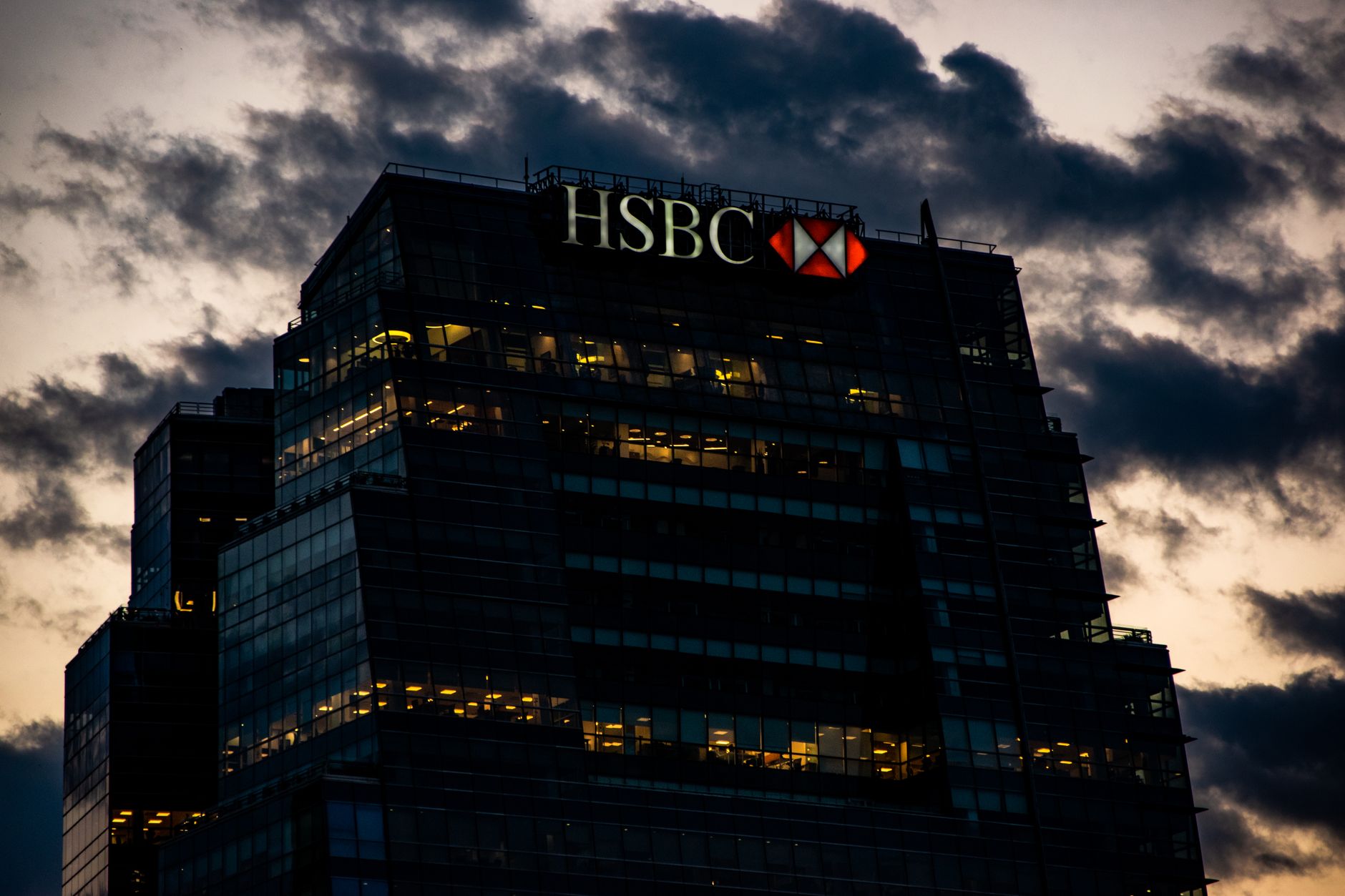
DUBAI – Gulf Cooperation Council banks demonstrated resilient performance in the first half of 2025, delivering a return on equity of 13.2 percent alongside strengthened asset quality and capital positions, according to recent industry analysis. The sector's solid showing comes as regional lenders navigate an environment of increasingly constrained liquidity.
The banking landscape across the GCC continues to evolve with significant regulatory developments. Saudi Arabia's Central Bank has approved the Visitor ID system for opening bank accounts, marking a substantial step forward in the kingdom's digital transformation strategy and expanding access to financial services for visitors. This initiative reflects broader efforts across the region to modernize banking infrastructure and enhance customer accessibility.
In a parallel development, Saudi banks have reduced the monthly loan deduction ceiling to 55 percent for the first time in years, providing relief to borrowers and potentially stimulating consumer spending. The move comes as the kingdom's financial institutions recorded strong profitability metrics despite global economic headwinds.
The UAE continues to lead regional innovation with Dubai attracting 18.7 million tourists in 2024, presenting significant opportunities for digital payment adoption among cash-reliant travelers. The emirate has solidified its position as a top-four global fintech hub according to the Global Financial Centres Index, with Dubai International Financial Centre firms surpassing 1,500 and raising $4.2 billion in investment capital.
Regulatory frameworks are also advancing, with the UAE Ministry of Finance confirming phased implementation of its electronic invoicing system. A pilot program is scheduled to commence on July 1, 2026, demonstrating the country's commitment to digitizing financial processes and improving transparency.
Meanwhile, Saudi Arabia's Zakat, Tax and Customs Authority has issued 68 fintech permits through the second quarter of 2025, with 36 firms now operational under its Fintech Lab. This progress aligns with the kingdom's Vision 2030 innovation goals and reflects growing momentum in the regional fintech ecosystem.
The World Bank has launched a new hub in Riyadh to serve the Middle East, North Africa, Afghanistan and Pakistan regions, marking five decades of cooperation with Saudi Arabia. The facility is expected to boost regional development, knowledge sharing and policy innovation across multiple countries.
Financial technology investment continues to surge, with a $100 million Presight-Shorooq Fund established to invest in 25 to 30 artificial intelligence and deep technology startups. The fund has reserved 40 percent of its capital for scale-up companies, reinforcing the UAE's ambition to become a leading innovation hub.
PayPal announced plans to invest $100 million across the Middle East and Africa following the opening of its Dubai hub, signaling international confidence in the region's digital commerce potential. The investment aims to fuel innovation, support entrepreneurs and expand digital payment infrastructure.
Asset quality metrics across GCC banks have shown notable improvement, with non-performing loan ratios declining and provisioning coverage remaining robust. Capital adequacy ratios remain well above regulatory minimums, providing institutions with buffers to navigate potential economic volatility.
Looking ahead, regional banks face the challenge of managing liquidity pressures while maintaining profitability. Interest rate dynamics, geopolitical developments and oil price fluctuations will likely influence sector performance in the coming quarters. However, the strong fundamentals demonstrated in recent reporting periods suggest GCC banks are well-positioned to weather potential headwinds while continuing to support economic growth across the region.

Written by
TPC Editorial Desk
The Platinum Capital editorial desk
Articles on The Platinum Capital are produced by the TPC editorial desk with the assistance of AI tools, and edited before publication. TPC Awards profiles are based on information provided in nominations and checked against public sources. Reach out at info@theplatinumcapital.com.