GCC Bets On “Lower‑Carbon Barrels” As Asia’s Demand Keeps Gulf Crude Central
Gulf energy producers are intensifying efforts to decarbonize oil and gas operations even as they expand production, betting that “lower‑carbon barrels” will secure the region’s role as a preferred supplier to Asia’s fast‑growing markets. A new mini‑report in DNV’s Energy Transit…

Gulf energy producers are intensifying efforts to decarbonize oil and gas operations even as they expand production, betting that “lower‑carbon barrels” will secure the region’s role as a preferred supplier to Asia’s fast‑growing markets. A new mini‑report in DNV’s Energy Transition Outlook 2026 series outlines how GCC states see selective decarbonization and structural diversification as complementary rather than competing strategies.
Since 2005, the GCC has accounted for nearly 18% of global oil and gas output, a share DNV expects to grow as investment continues in low‑cost, “advantaged” reserves. As global energy demand tilts increasingly toward Asia—driven by industrialization and urbanization across countries like India, Vietnam, and Indonesia—the Gulf’s geographic position and cost edge reinforce its status as a core supplier.
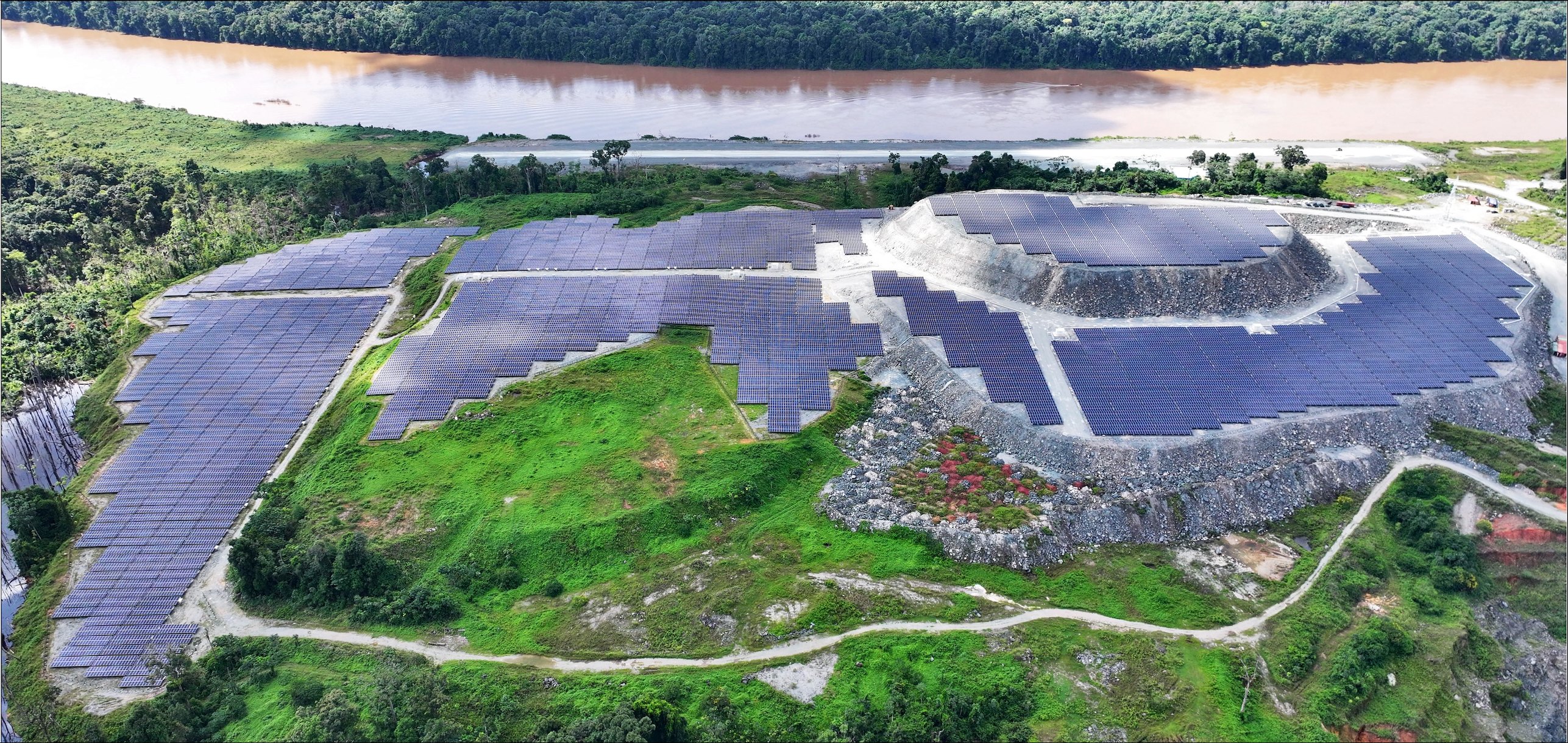
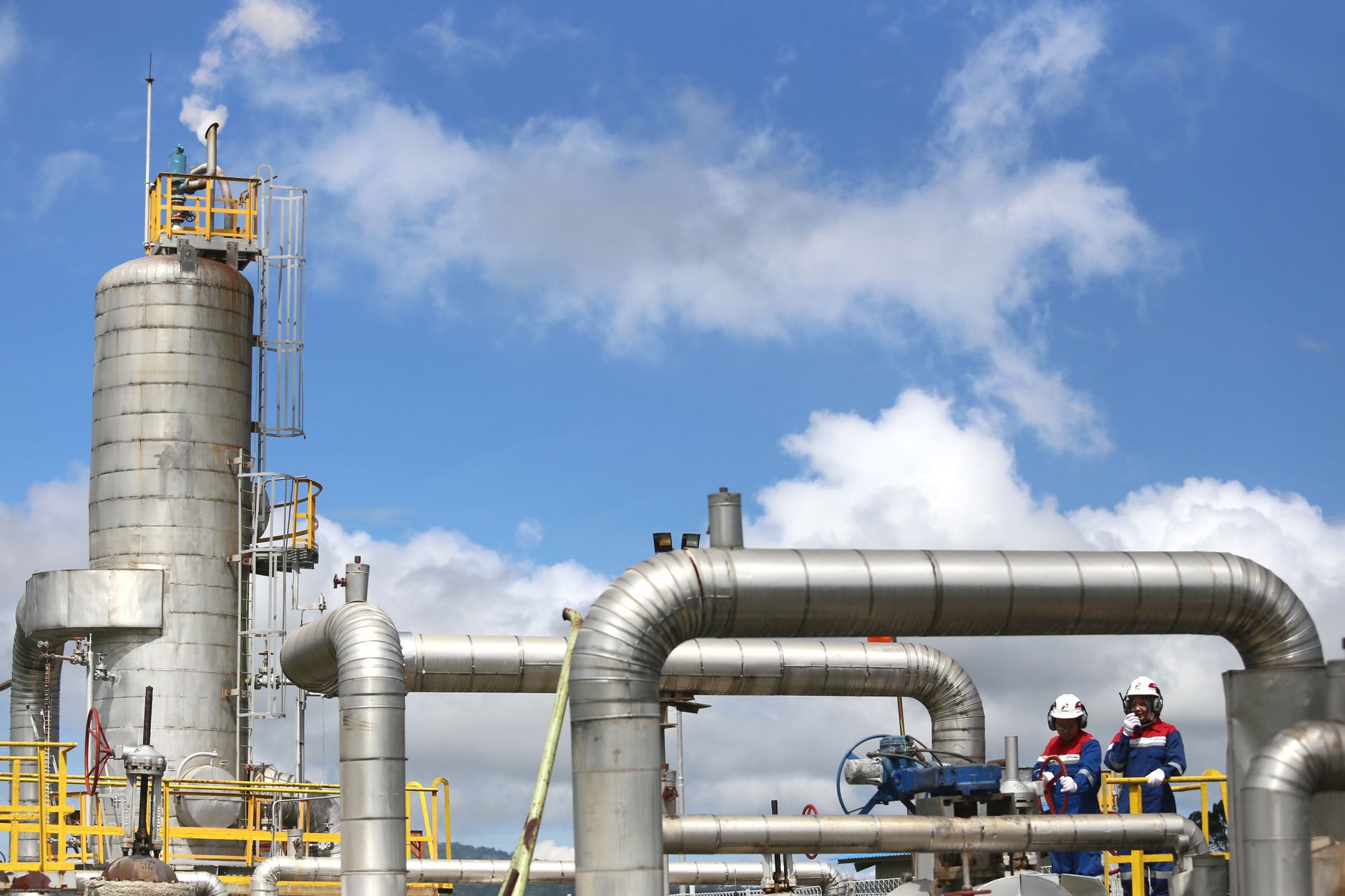
The report underscores that operational decarbonization is becoming integral to competitiveness. Gulf producers are electrifying pumps, compressors, and offshore platforms, often connecting them to grids that are gradually incorporating more solar, wind, and nuclear power. Hybrid power solutions, energy‑efficiency upgrades, and digital tools are being deployed to optimize drilling, reservoir management, and asset operations, reducing emissions per barrel produced.
Artificial intelligence plays a growing role in this drive. AI and advanced analytics are used to predict equipment failures, optimize routing for maintenance crews, and fine‑tune production levels to balance reservoir health, market demand, and emissions intensity. For national oil companies in Saudi Arabia, the UAE, and Qatar, such tools help meet investor and customer expectations around climate performance without sacrificing output.
At the same time, the GCC is scaling up renewable‑energy investments. Thailand’s GULF, for example, recently secured 60 billion baht (about 1.9 billion dollars) in loans to finance 939 megawatts of renewable and waste‑to‑energy projects, supported by the Asian Development Bank. Gulf utilities and sovereign funds are watching such deals closely as they design their own hybrid portfolios combining hydrocarbons with green power.
Asia’s evolving energy mix is central to the GCC calculus. While countries such as Japan and South Korea are increasing renewables and nuclear capacity, they still rely heavily on imported LNG and crude. Southeast Asian states, including Vietnam, Indonesia, and the Philippines, are grappling with rapid demand growth and grid constraints, making them important markets for both fossil fuels and future hydrogen or ammonia exports from the Gulf.
Critics argue that decarbonizing operations while maintaining or expanding oil and gas output is insufficient to meet global climate targets. However, DNV’s analysis suggests that from a buyer’s perspective, lower‑emissions barrels may be favored over higher‑emissions alternatives, especially in Asia where policymakers must juggle climate goals with energy security and affordability.
For Gulf producers, the strategic bet is clear: by cleaning up production and investing in diversification—from petrochemicals and blue hydrogen to renewables and AI‑enabled services—they aim to remain indispensable partners to Asian economies throughout the energy transition. Whether that bet pays off will depend on the pace of global decarbonization, technological breakthroughs in clean energy, and the willingness of Asian buyers to pay a premium—or at least maintain long‑term contracts—for lower‑carbon hydrocarbons.

Written by
TPC Editorial Desk
The Platinum Capital editorial desk
Articles on The Platinum Capital are produced by the TPC editorial desk with the assistance of AI tools, and edited before publication. TPC Awards profiles are based on information provided in nominations and checked against public sources. Reach out at info@theplatinumcapital.com.