
GCC Hospitality and Real Estate 2026: Luxury Density, Giga‑Projects and the Institutional Capital Era
The GCC’s hospitality and mixed‑use real estate market is entering 2026 at what JLL and Lodging Econometrics call an all‑time high construction pipeline , led by Saudi Vision 2030 giga‑projects and the UAE’s deep tourism base. Luxury and upper‑upscale dominate the supply wave, wh…

The GCC’s hospitality and mixed‑use real estate market is entering 2026 at what JLL and Lodging Econometrics call an all‑time high construction pipeline, led by Saudi Vision 2030 giga‑projects and the UAE’s deep tourism base. Luxury and upper‑upscale dominate the supply wave, while institutional investors push for more sophisticated, performance‑based agreements, branded residences, and ESG‑anchored projects.
Pipeline and luxury concentration
A mid‑January 2026 update confirms that the Middle East’s hotel pipeline remains robust, with the GCC accounting for the lion’s share of projects and rooms under development. Data from STR show Saudi Arabia alone accounts for 67 percent of the region’s 67,000 rooms under construction, or more than 45,000 keys. The largest city pipelines are:
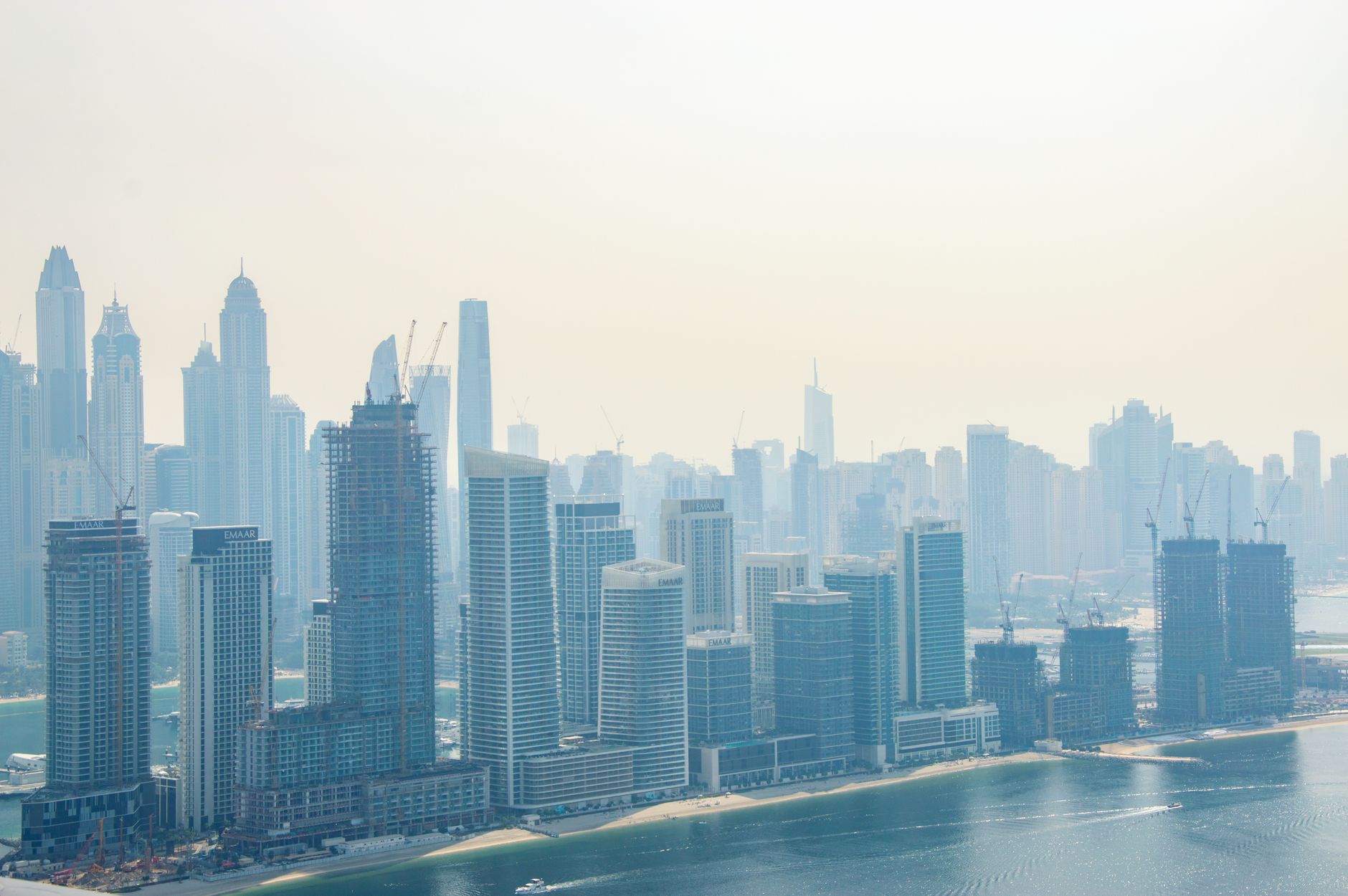
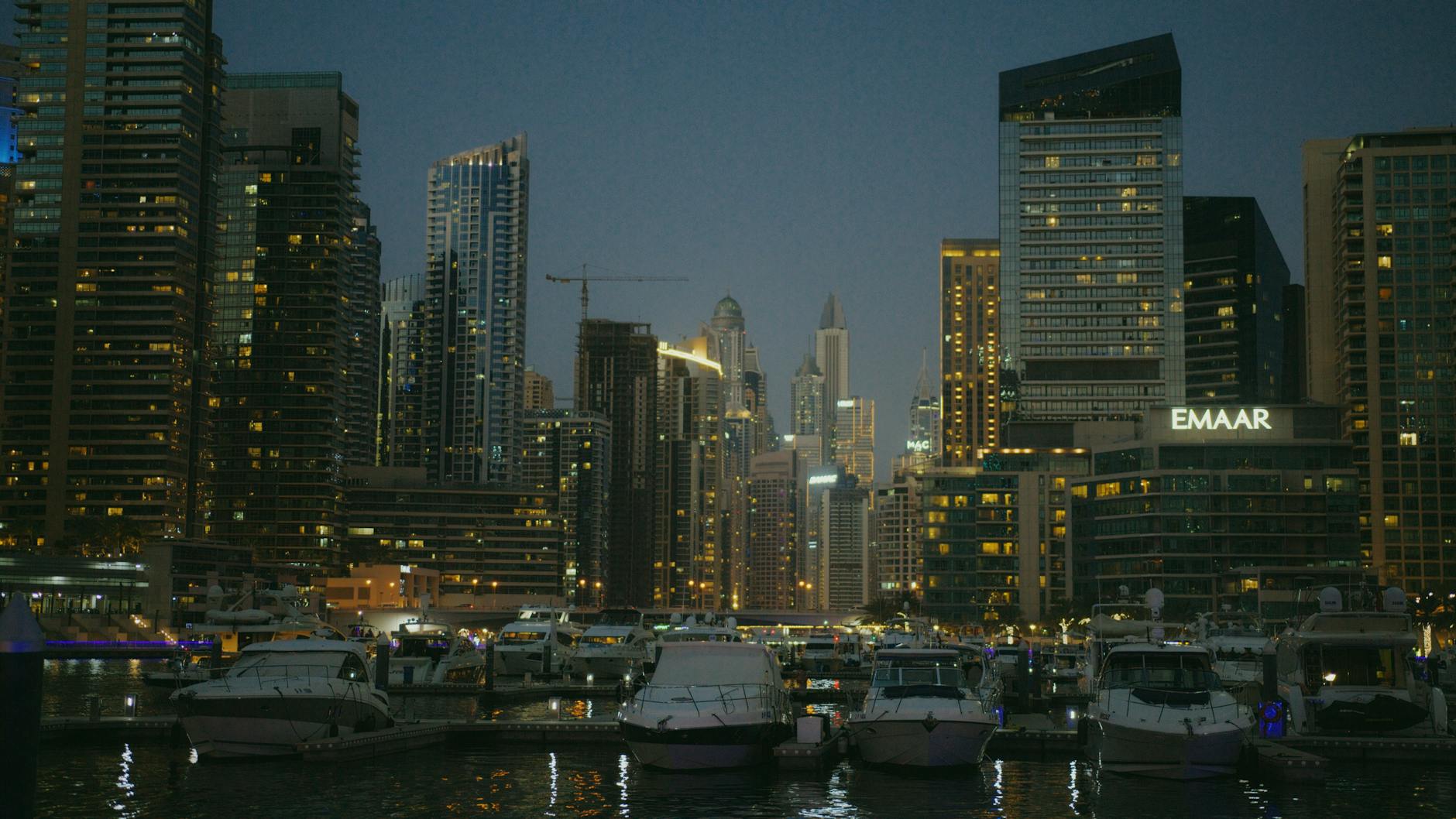
The focus is firmly on the high end. The luxury chain scale has reached 196 projects / 43,942 rooms, while upper‑upscale stands at 150 projects / 38,357 rooms; together they make up 55 percent of projects and 56 percent of rooms in the regional pipeline. Dubai remains the sector’s powerhouse with 165,339 existing and upcoming keys, but Abu Dhabi and Ras Al Khaimah are emerging as leisure‑driven investment destinations.
Giga‑projects: Red Sea, AMAALA, Diriyah
For institutional capital, these giga‑projects offer scale, government backing, and multi‑decade visibility, but also require patience, ESG credibility and sophisticated risk structuring.
Hospitality and branded residences: 2026 priorities
A January 2026 GCC real estate playbook notes that hospitality outlooks are “broadly positive,” driven by tourism targets, significant pipelines, and the rise of integrated entertainment, wellness‑driven resorts and experience‑focused urban hotels. The same analysis highlights contractual innovation:
Branded residences attached to luxury and upper‑upscale hotels are becoming central to project economics, boosting pre‑sales, fee income and brand halo while diversifying revenue away from purely room‑night cycles.
Tourism and macro tailwinds
Regionally, the MENA hospitality market is projected to surpass USD 487 billion by 2032, up from roughly USD 310 billion in 2025, with the GCC anchoring much of this growth. GCC governments are aggressively targeting tourism’s share of GDP—Saudi aiming for 100 million visitors annually, UAE consolidating its position among the world’s top destinations, Qatar capitalizing on World Cup legacy, and Oman leveraging nature and culture.
Room supply is forecast to grow by around 17 percent by 2026, from 464,465 rooms to over 544,000 across the GCC, with most additions concentrated in Saudi Arabia and the UAE. This expansion supports employment (already 2.6 million jobs linked to tourism in 2023) and deepens the real estate investable universe for REITs, sovereign funds and global institutions.
Institutional capital strategy
Overlaying this, GCC real estate is increasingly part of a global portfolio conversation: as investors rebalance from saturated Western markets, high‑growth, policy‑backed GCC assets—especially those tied to tourism, logistics and knowledge economies—are moving closer to “core plus” rather than pure opportunistic status.

Written by
TPC Editorial Desk
The Platinum Capital editorial desk
Articles on The Platinum Capital are produced by the TPC editorial desk with the assistance of AI tools, and edited before publication. TPC Awards profiles are based on information provided in nominations and checked against public sources. Reach out at info@theplatinumcapital.com.