Giga-Projects and “Living Cities” Redefine GCC Real Estate as Institutional Money Moves In
Gulf real estate is entering a new chapter in 2026 as giga‑projects and next‑generation urban developments move from blueprints to partial operations, drawing in institutional capital that once treated the sector as too opaque or cyclical. A recent playbook for GCC real estate in…

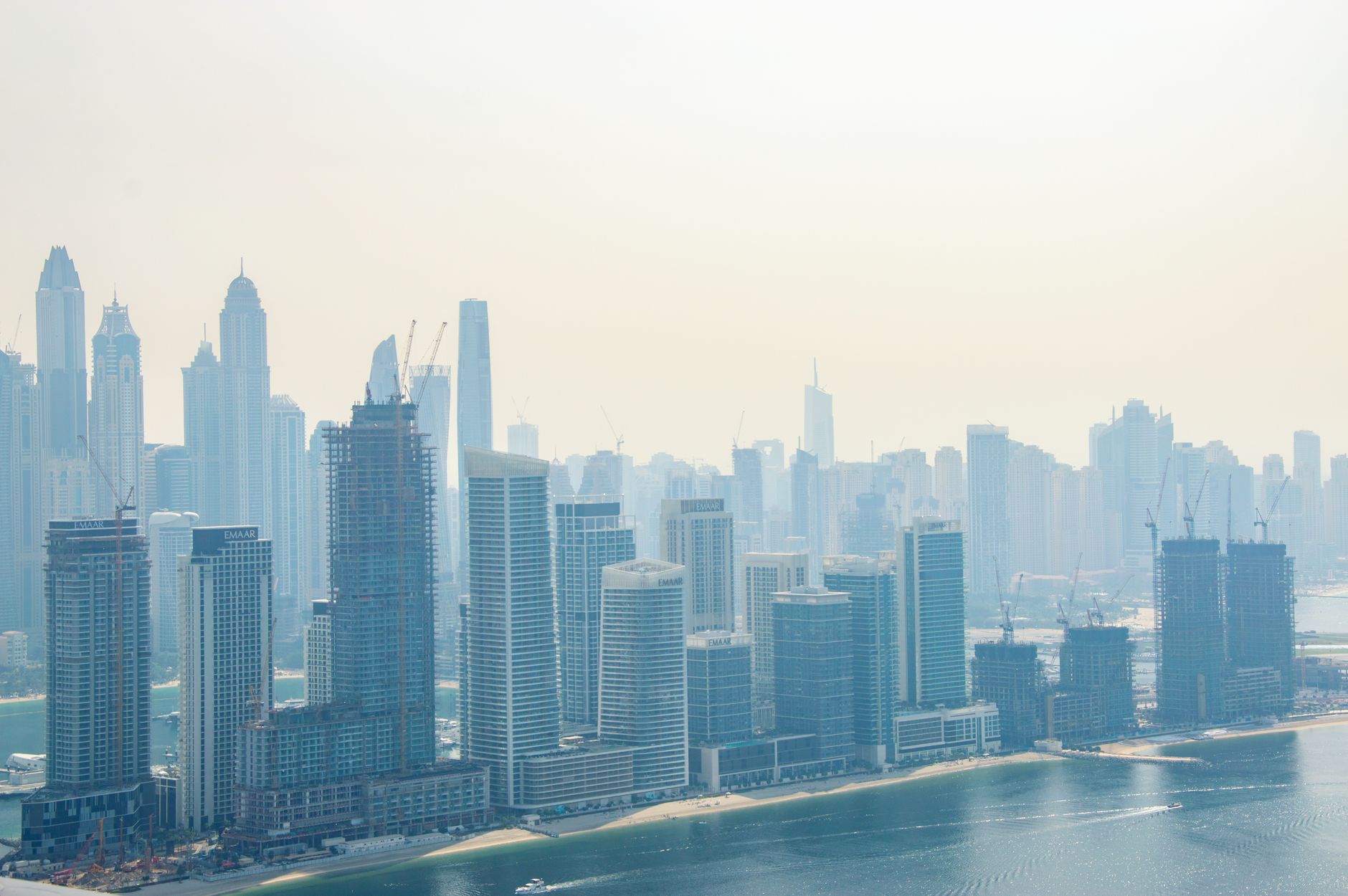
Gulf real estate is entering a new chapter in 2026 as giga‑projects and next‑generation urban developments move from blueprints to partial operations, drawing in institutional capital that once treated the sector as too opaque or cyclical. A recent playbook for GCC real estate investors notes that markets such as Saudi Arabia and the UAE have moved beyond post‑pandemic recovery into a phase defined by vision‑driven city‑building and infrastructure integration.
A policy feature on “futuristic cities” across Saudi Arabia, the UAE, Qatar and Oman describes 2026 as a “landmark year” as multi‑billion‑dollar projects open their first phases. These developments—ranging from coastal tourism zones and sports districts to smart‑city corridors—are presented not just as attractions but as embodiments of national visions for post‑oil economies.
Legal and advisory firms point out that institutional capital is increasingly comfortable with direct real‑estate strategies in Saudi Arabia, including core and core‑plus assets in logistics, offices, residential and mixed‑use projects. Foreign investors are using REITs, joint ventures and club deals to gain exposure, often partnering with domestic developers and sovereign entities that control land and regulatory relationships.
Fitch’s GCC infrastructure and public‑finance outlook maintains a “neutral” cross‑sector stance for 2026, citing strong state support and the central role of government‑related entities in delivering projects. But it also flags execution risk, cost inflation and potential over‑supply in certain sub‑segments if demand or policy priorities shift. Investors are sharpening focus on governance, transparency and exit options as they commit more capital.
Entertainment and tourism are deeply embedded in these real‑estate plays. A Travel and Tour World feature notes that mega‑projects opening through 2026 will “reshape entertainment, tourism and mobility” across the GCC, with Saudi Arabia’s PIF‑backed developments at the centre. Integrated resorts, concert venues and cultural districts are designed to attract both domestic and international visitors, leveraging relaxed visa regimes and green‑tourism branding.
For institutional investors, the appeal lies in exposure to population growth, tourism, logistics and knowledge‑economy clusters—but only if assets are structured with clear cash‑flow rights and legal protections. The 2026 playbook emphasises the need to understand zoning, land‑lease terms, utility pricing and ESG standards, which can materially affect valuations over time.
As Gulf cities pivot toward “living city” concepts that integrate transport, public space, digital infrastructure and climate resilience, real estate is increasingly viewed as infrastructure‑adjacent rather than purely cyclical. For long‑term capital from pensions, insurers and sovereign funds, that repositioning could make GCC bricks‑and‑mortar a more acceptable home for global money—provided execution keeps up with the renderings.

Written by
TPC Editorial Desk
The Platinum Capital editorial desk
Articles on The Platinum Capital are produced by the TPC editorial desk with the assistance of AI tools, and edited before publication. TPC Awards profiles are based on information provided in nominations and checked against public sources. Reach out at info@theplatinumcapital.com.