Global Capital “Gambles On The Gulf” As Branded Residences And Mid‑Market Hotels Lead The Charge
Global alternative asset managers are doubling down on Gulf real estate, shifting from trophy assets to operationally intensive hospitality, branded residences and logistics, as new ownership rules and tourism pipelines reshape the risk‑reward equation. A GRI Hub analysis notes t…

Global alternative asset managers are doubling down on Gulf real estate, shifting from trophy assets to operationally intensive hospitality, branded residences and logistics, as new ownership rules and tourism pipelines reshape the risk‑reward equation.
A GRI Hub analysis notes that European and Latin American managers such as Azora, Atlas MENA Capital and Turnbridge Equities are actively entering GCC real‑estate markets, attracted by a 141.2‑billion‑dollar regional transaction volume and regulatory reforms that ease foreign ownership. Saudi Arabia’s 2026 foreign‑ownership law and the UAE’s matured freehold frameworks allow direct capital deployment into selected zones and asset classes.
Hospitality and experiential real estate are the most active deployment categories. Alpen Capital data cited in the report suggest the GCC’s hotel‑room inventory is expected to rise from around 345,400 rooms to about 409,900 by 2030, adding roughly 64,500 rooms across segments from luxury to extended stay. Dubai leads in branded residences, where developers partner with global hotel and lifestyle brands to offer premium service‑rich apartments that command hefty price premia.
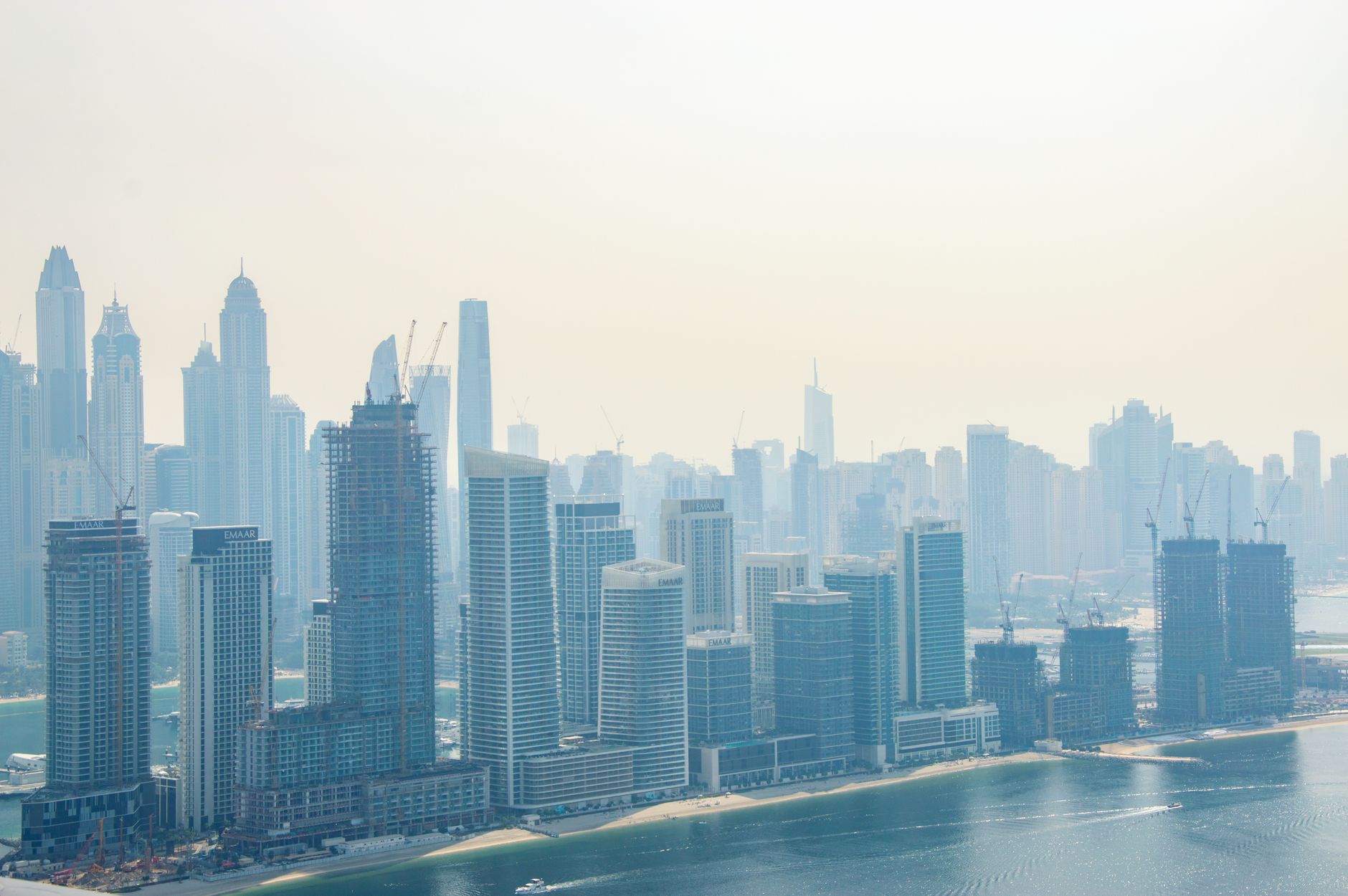
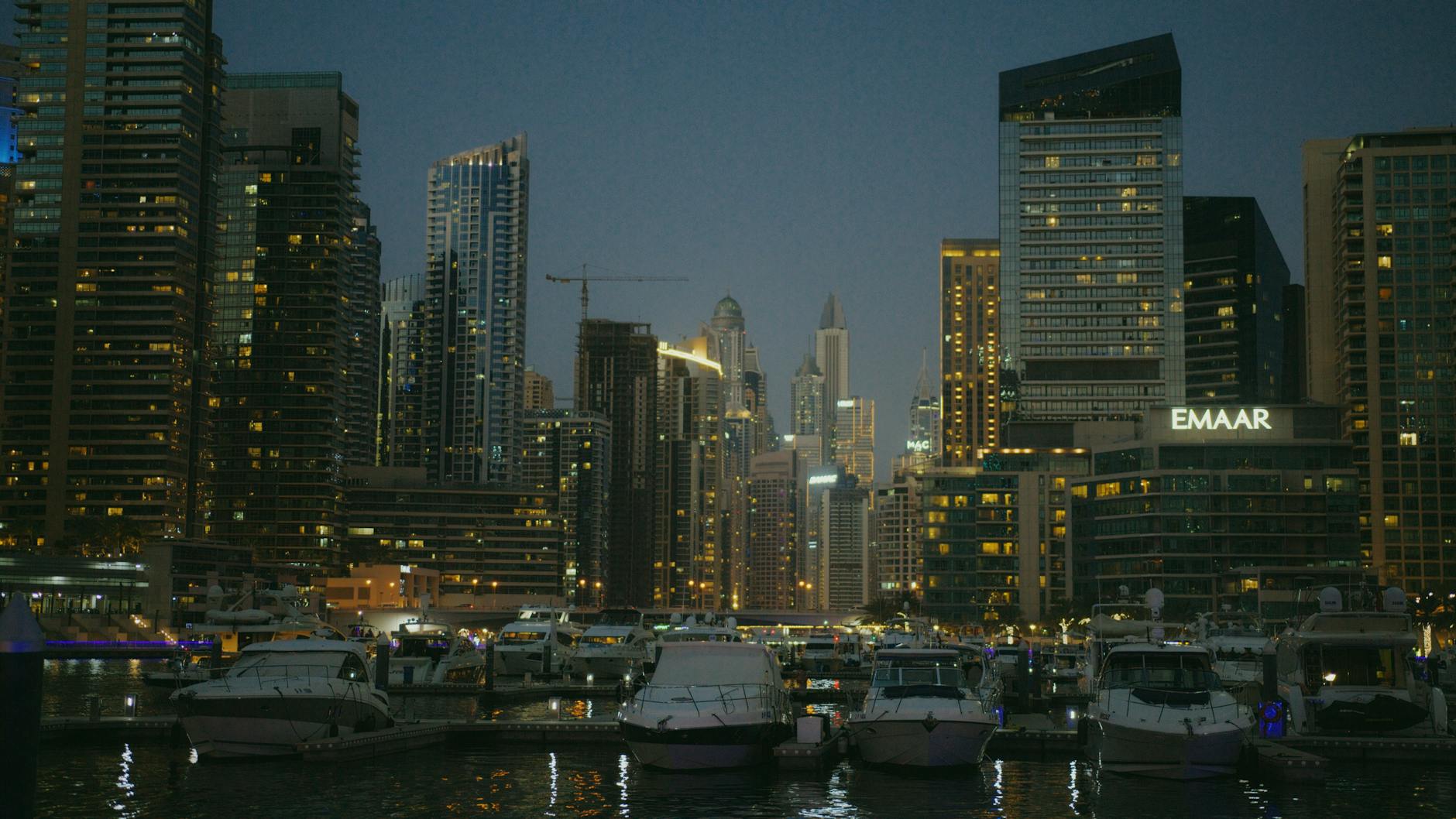
A separate GRI Insight piece, “Gambling on the Gulf,” highlights how Dubai’s branded‑residence market has drawn billionaire families and celebrities, cementing the city’s status as a global property hub. Strong 2025 hospitality performance, combined with constrained prime supply and still‑rising tourism numbers, has returned hotels to their “historic share” within total real‑estate transactions.
The Gulf Pulse, a regional investment‑intelligence platform, underscores that hospitality real estate is “evolving beyond luxury positioning.” Assets are increasingly structured around experience integration—food and beverage clusters, wellness, entertainment—plus operational resilience and diversified income streams, such as co‑working, serviced offices and flexible retail.
One case in point is a reported AED 2‑billion (around 545‑million‑dollar) expansion by a regional mid‑market hospitality brand, adding about 3,500 keys across Dubai, Abu Dhabi, Ras Al Khaimah, Riyadh and Jeddah, with a focus on city‑centric and airport‑adjacent locations. The strategy targets resilient business‑travel and transit demand rather than relying purely on luxury leisure.
Institutional investors favour “high‑quality, well‑located and differentiated assets,” and expect an increase in large‑scale transactions above 250 million dollars compared with prior years, according to Gulf Pulse commentary. Co‑investment structures, where Gulf institutions partner with international managers, are becoming more common, blending local access and development expertise with global operating platforms.
For Asian investors—from Singaporean REIT managers to Japanese and Korean institutions—the evolving Gulf real‑estate landscape offers diversification away from crowded home markets. Hospitality, branded residences and logistics facilities serving air and sea hubs in Dubai, Abu Dhabi and Riyadh feature prominently in cross‑border deal pipelines.
The key risks centre on geopolitical shocks, supply‑demand balances and execution of giga‑projects. But for now, global capital appears willing to “gamble on the Gulf,” betting that tourism growth, regulatory improvements and deep local co‑investment will deliver acceptable returns in a property market unlike any other.

Written by
TPC Editorial Desk
The Platinum Capital editorial desk
Articles on The Platinum Capital are produced by the TPC editorial desk with the assistance of AI tools, and edited before publication. TPC Awards profiles are based on information provided in nominations and checked against public sources. Reach out at info@theplatinumcapital.com.