
Global Renewable Energy Capacity Hits Record 5,149 Gigawatts as Solar Dominates New Additions
OSLO, April 5, 2026 — Global renewable energy capacity has surged to a historic benchmark of 5,149 gigawatts, driven by unprecedented deployment of solar photovoltaic technology.…

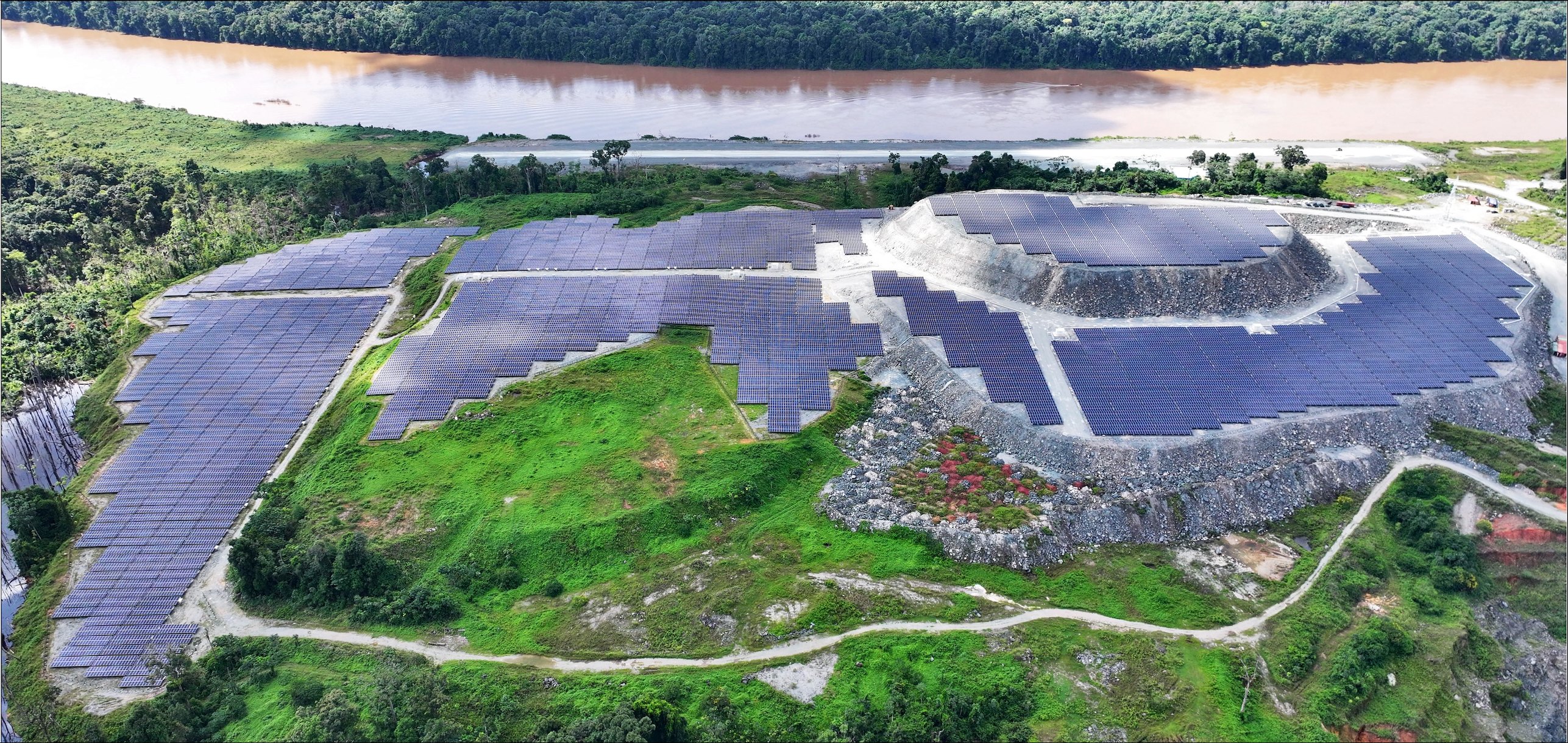
OSLO, April 5, 2026 — Global renewable energy capacity has surged to a historic benchmark of 5,149 gigawatts, driven by unprecedented deployment of solar photovoltaic and wind turbine infrastructure that has fundamentally reordered the global electricity generation landscape. The renewable energy expansion reflects a decisive shift in global energy investment patterns, with capital flowing toward technologies demonstrating cost competitiveness with conventional fossil fuel generation while simultaneously offering substantial environmental and health benefits.
During 2025 alone, global renewable energy capacity expanded by 692 gigawatts, with renewable technologies representing 85.6 percent of all new electricity generation capacity added globally. Solar photovoltaic technology led the expansion with 511 gigawatts of new capacity additions—accounting for roughly 75 percent of all renewable capacity additions—while wind energy contributed 159 gigawatts of new capacity. This capacity mix reflects the dramatic cost reductions achieved in solar technology over the past decade, with photovoltaic panel costs declining by approximately 90 percent since 2010.
The United States has emerged as a substantial contributor to global renewable energy deployment, with American power systems adding 55 gigawatts of combined solar, wind, and battery storage capacity during 2025. American renewable energy investment reached a record 378 billion dollars in 2025, though renewable energy represented only 26 percent of total American energy sector investment.
Dr. Sarah Patterson, Director of Energy Policy at the International Energy Agency, underscored the policy uncertainty affecting American renewable energy markets. The One Big Beautiful Bill Act, enacted in late 2025, fundamentally altered the financial architecture supporting American renewable energy deployment by rolling back clean energy tax credits that had provided substantial investment incentives for solar, wind, and battery storage projects, Patterson explained. The policy reversal has already begun manifesting in reduced project deployment pipelines.
Investment data from the first half of 2025 revealed that wind and solar investment declined by 18 percent relative to comparable periods in prior years, suggesting that the policy uncertainty and credit rollback have begun dampening the renewable energy investment momentum that characterized the 2021-2024 period.
Global renewable energy expansion has proceeded across diverse geographic regions, with emerging market economies increasingly deploying solar capacity in response to electricity demand growth and the cost advantages of distributed solar generation relative to grid extension in rural areas. India, Vietnam, Indonesia, and numerous African nations have substantially accelerated renewable capacity deployment.
The renewable energy transition has created substantial disruption to conventional electricity generation economics, with coal and natural gas facilities experiencing declining capacity utilization rates in regions with high renewable penetration. This transition has generated workforce challenges as regions historically dependent upon fossil fuel generation employment have experienced labor market dislocations.
Battery storage capacity has emerged as an increasingly critical complement to variable renewable generation, with battery costs declining at rates approaching solar photovoltaic cost trajectories. The 55 gigawatts of battery storage added in the United States during 2025 represents a sixfold increase relative to 2020 deployment rates, suggesting that energy storage economics have reached inflection points enabling cost-competitive storage deployment without explicit subsidy support.

Written by
TPC Editorial Desk
The Platinum Capital editorial desk
Articles on The Platinum Capital are produced by the TPC editorial desk with the assistance of AI tools, and edited before publication. TPC Awards profiles are based on information provided in nominations and checked against public sources. Reach out at info@theplatinumcapital.com.