

Global Stability Tests Return As Regulators Confront War, Rates And Deposit Risk
The global banking system has entered late April 2026 with a more uneasy tone than its capital ratios alone would suggest. The IMF’s April Global Financial Stability Report and S&P Global’s April banking outlook both point to a world where the headline outlook for banks is still …
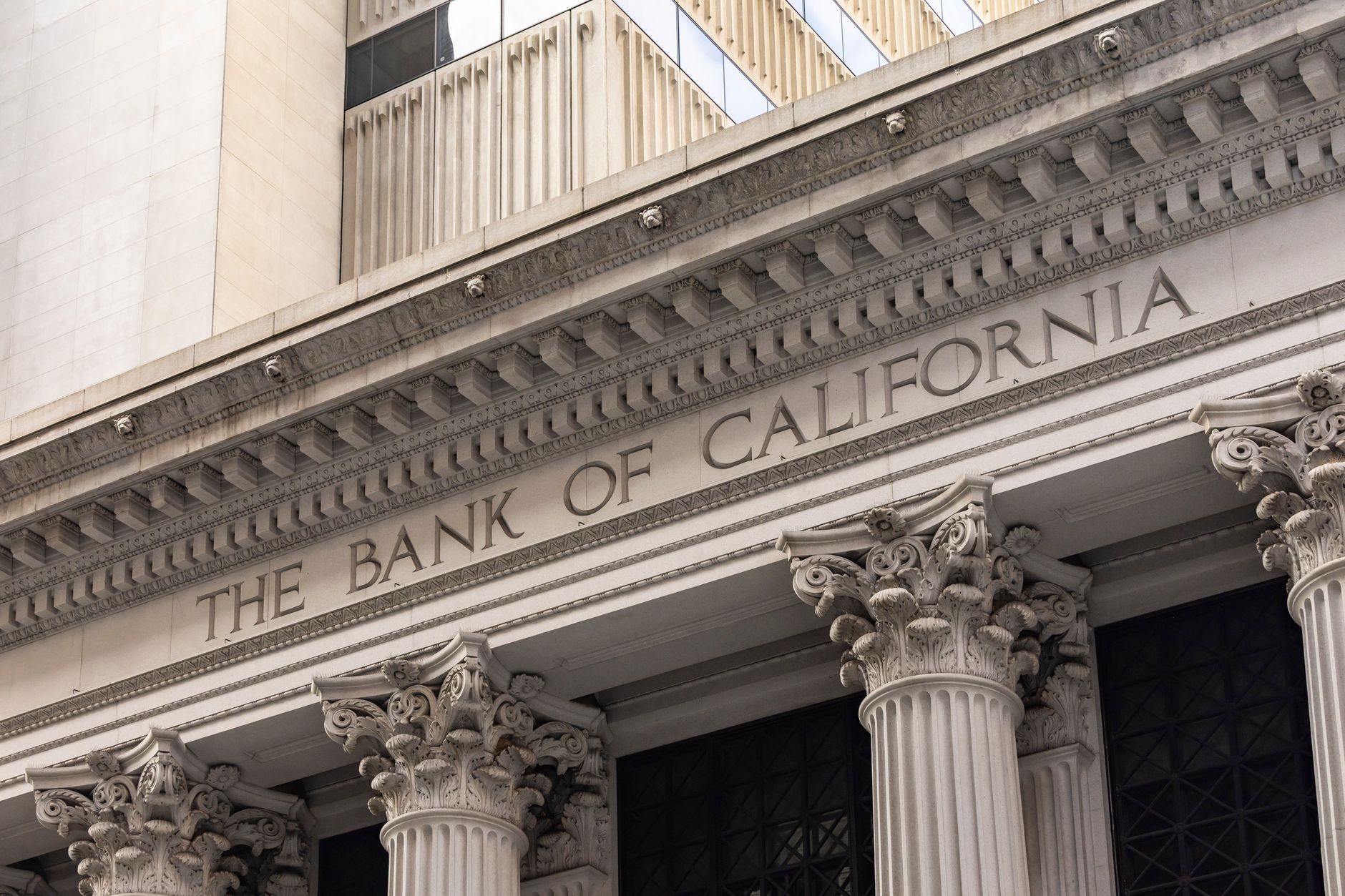
The global banking system has entered late April 2026 with a more uneasy tone than its capital ratios alone would suggest. The IMF’s April Global Financial Stability Report and S&P Global’s April banking outlook both point to a world where the headline outlook for banks is still manageable, but the risk stack underneath is becoming more complicated by the week.
The most immediate issue is the interaction of war, energy prices and financial conditions. The Middle East conflict has kept Brent crude above the psychologically important 100-dollar mark at times and has added fresh volatility to inflation expectations, bond yields and funding costs. That matters because banks do not experience geopolitical shocks only through direct exposure; they also feel them through deposit behavior, remittance flows, loan demand and wholesale funding markets.
The IMF’s warning is broad but clear: financial stability risks are elevated because more parts of the system are interconnected than in prior cycles. S&P Global’s latest banking review notes that the conflict is already affecting deposit mobilization in remittance-heavy economies and is also complicating the policy response in countries where inflation is being pushed up by imported fuel and food costs. For banks in South Asia, for example, Gulf remittances are a critical source of household income and foreign-exchange inflows, so any slowdown in those flows can quickly show up in deposit growth and liquidity conditions.
The more subtle issue is that banks are being asked to navigate a world where rates are not falling as quickly as investors once expected. The war has reduced the likelihood of aggressive central-bank easing, while also increasing the probability that policy rates stay restrictive for longer. That can help bank margins in the short run, but it also raises the risk that credit losses emerge later if borrowers struggle with higher financing costs and weaker growth.
Asia’s largest banks are not immune. Reuters reported earlier this month that China’s big banks are poised to benefit from a massive deposit re-pricing cycle, which could support margins. But the same banks must also manage exposure to slower credit demand, property-sector fragility and new lending tied to strategic industries such as AI and advanced manufacturing. The result is a system where margin relief and credit uncertainty are arriving at the same time.
Another factor is the expanding role of AI in banking itself. Lenders are increasingly using AI to improve underwriting, detect fraud and reduce operational costs, but that same technology introduces new model-risk and governance risks. If AI helps banks make faster credit decisions, it can also make those decisions more opaque, and regulators are already signaling that AI accountability must be built into governance frameworks rather than bolted on later.
This matters because global banking is now being shaped by cross-border spillovers in a way that feels unusually fast. Deposits in one market can be affected by remittance trends elsewhere; bond yields in one region can alter lending appetite in another; and geopolitical events can abruptly change the valuation of sovereigns, corporates and even stable retail deposits.
The practical response from regulators is likely to involve more stress testing, more liquidity monitoring and stronger oversight of nonbank financial intermediation. The IMF and S&P both imply that if banks are going to remain resilient in 2026, they will need to look beyond the traditional metrics of capital adequacy and really understand how war, technology and energy shocks move through the system.
For investors, the message is equally nuanced. Banks are not in crisis, and many still look well-capitalized. But the margin for error has narrowed. That means the best-run institutions are likely to reward shareholders with stable earnings, while the weakest could find that the new environment exposes risks that were previously easy to ignore.

Written by
TPC Editorial Desk
The Platinum Capital editorial desk
Articles on The Platinum Capital are produced by the TPC editorial desk with the assistance of AI tools, and edited before publication. TPC Awards profiles are based on information provided in nominations and checked against public sources. Reach out at info@theplatinumcapital.com.