

Gulf And Asia Hotels Shift To “Shock‑Aware” Revenue Management
The recent wave of market, energy and security shocks is pushing hotel operators across the Gulf and Asia to refine revenue‑management strategies that can rapidly adjust to swings in demand, costs and traveller sentiment, building on lessons learned from the pandemic and now appl…
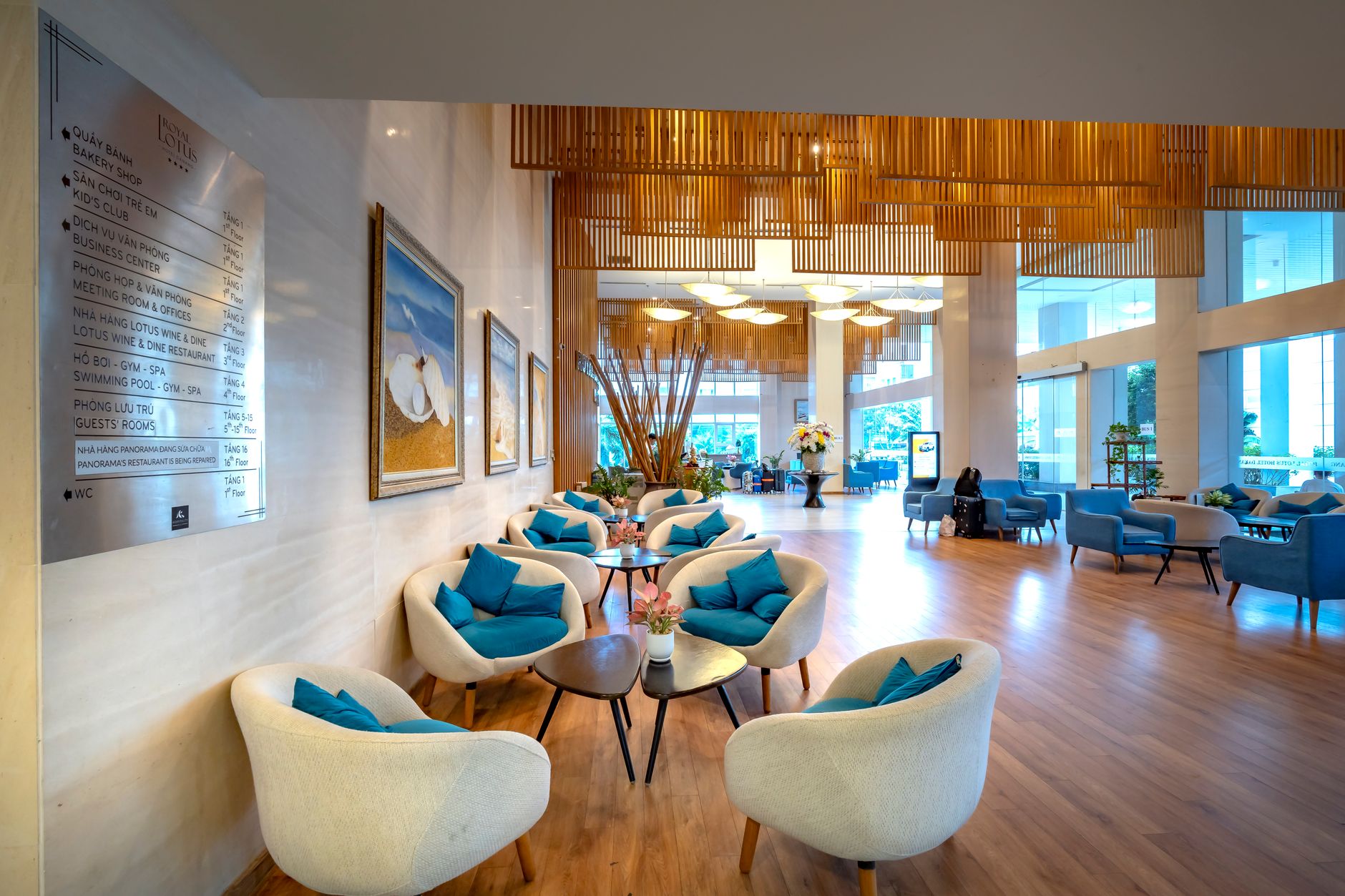
The recent wave of market, energy and security shocks is pushing hotel operators across the Gulf and Asia to refine revenue‑management strategies that can rapidly adjust to swings in demand, costs and traveller sentiment, building on lessons learned from the pandemic and now applied to war‑time volatility.
GRI Hub’s recent analysis of GCC hospitality points to an increasingly sophisticated investor base focused on operational resilience and diversified revenue streams. Hotels are investing in data‑driven pricing tools that can recalibrate rates and inventory allocations quickly in response to booking‑pace shifts, fuel‑surcharge changes and geopolitical news.
The Iran conflict and South Korea’s special travel advisory for seven Middle Eastern countries have made this agility indispensable. Gulf resorts and city hotels must navigate a patchwork of source‑market reactions, with some travellers cancelling trips outright while others see discounted fares and room rates as an opportunity. Dynamic segmentation and targeted offers are critical.
In Asia, destination markets like Thailand, Indonesia and Singapore are watching Gulf developments while managing their own exposure to energy costs and global sentiment. Hotels catering to Middle Eastern guests may see temporary dips, but diversified source‑markets and strong regional travel demand provide buffers.
For both regions, the new normal is “shock‑aware” revenue management: always‑on monitoring of macro, energy and security indicators, integrated with booking data and channel performance, feeding algorithms that recommend rate, availability and package adjustments in near real time. Operators that master this playbook will be better placed to protect occupancy and margins in an era where shocks are not exceptions but regular features of the operating landscape.

Written by
TPC Editorial Desk
The Platinum Capital editorial desk
Articles on The Platinum Capital are produced by the TPC editorial desk with the assistance of AI tools, and edited before publication. TPC Awards profiles are based on information provided in nominations and checked against public sources. Reach out at info@theplatinumcapital.com.


