
Indonesia and Australia Strengthen Clean Energy Partnership Through Major Geothermal Investment
Indonesia and Australia are deepening their renewable energy cooperation through a landmark geothermal power expansion project in West Sumatra, marking a significant milestone in regional clean energy development. The fifteen million dollar Australian investment in the Muara Labo…
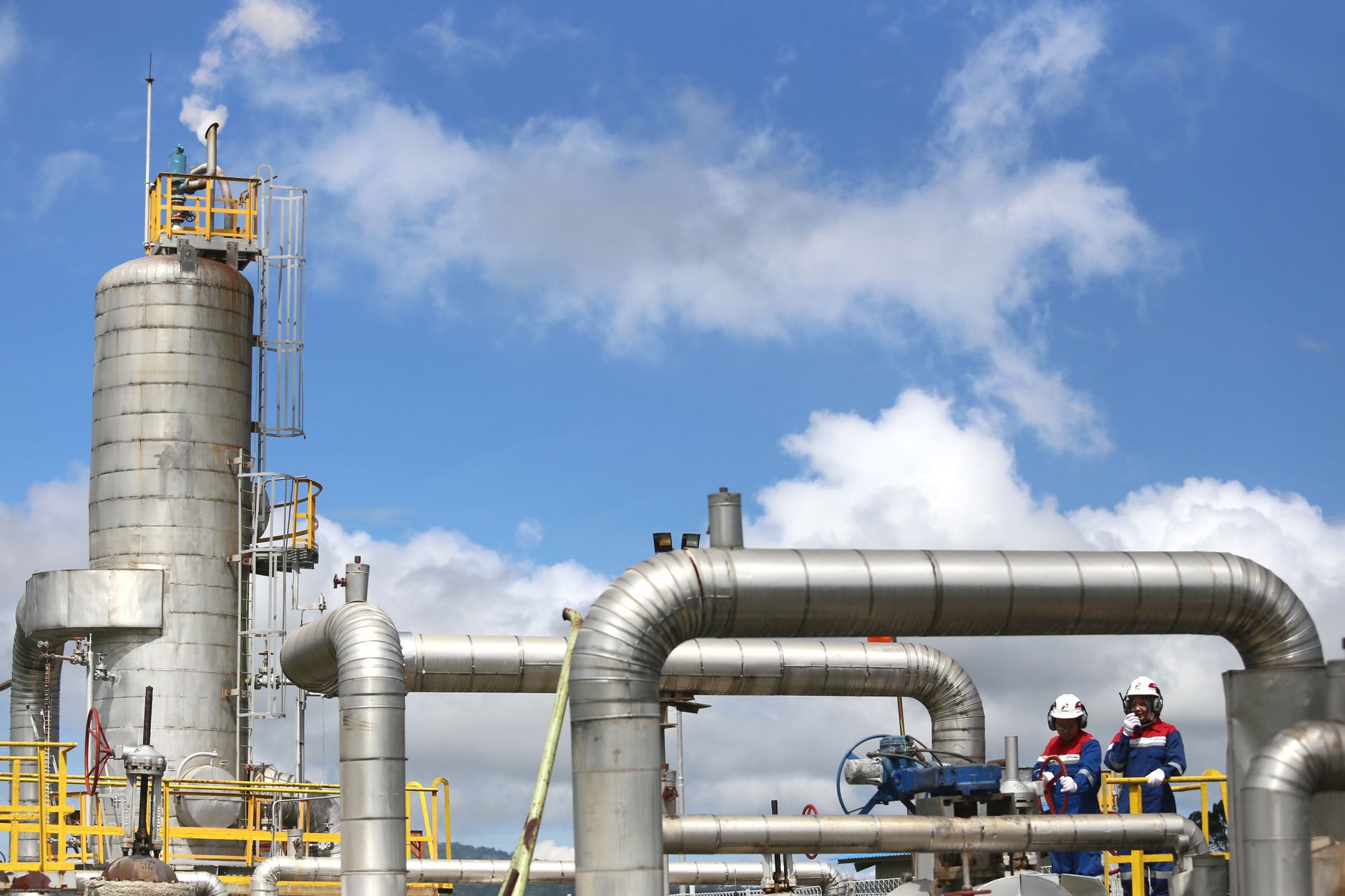
Indonesia and Australia are deepening their renewable energy cooperation through a landmark geothermal power expansion project in West Sumatra, marking a significant milestone in regional clean energy development. The fifteen million dollar Australian investment in the Muara Laboh geothermal facility demonstrates growing international commitment to Southeast Asia's energy transition.
The Australian Climate Finance Partnership has extended a concessional loan to support the expansion of the Muara Laboh geothermal power plant through the Australian Trade and Investment Commission. The project broke ground in early November and, once expanded, will supply electricity to four hundred thirty-five thousand households, representing a substantial increase in clean energy capacity for the region.
Australian Deputy Ambassador to Indonesia Gita Kamath emphasized that Australia and Indonesia are working together to harness economic opportunities from an inclusive energy transition. The project demonstrates how blended finance can unlock private capital for high-impact, low-carbon initiatives critical to achieving net-zero targets, she stated during the groundbreaking ceremony.
The Muara Laboh expansion is part of the Asian Development Bank's ninety-two-point-six million dollar financing agreement with PT Supreme Energy Muara Laboh. The generated electricity will contribute to the renewable energy mix in the Sumatra electricity grid, helping Indonesia progress toward its ambitious climate goals of peaking greenhouse gas emissions by 2030 and achieving net zero by 2060.
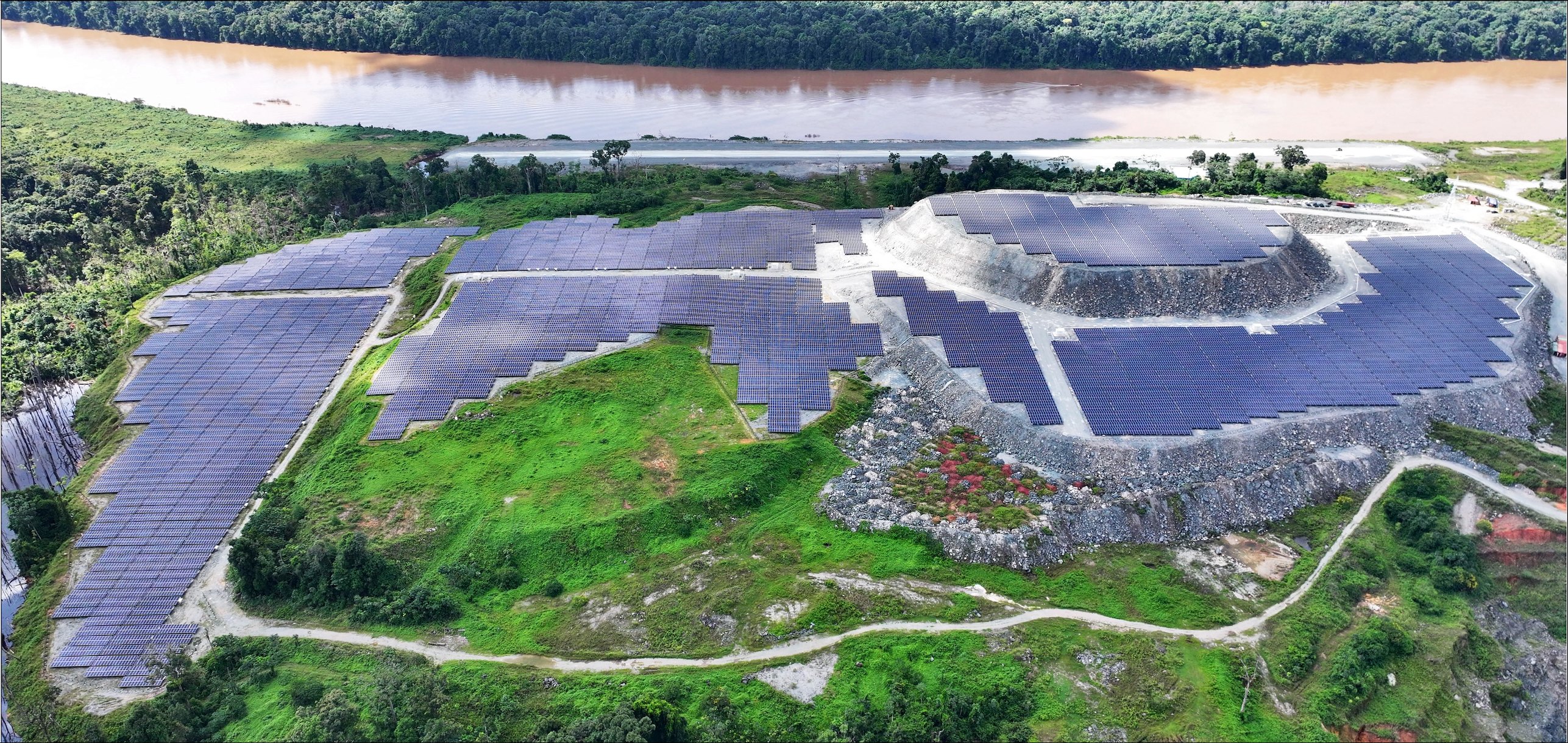
Indonesia has set transformative targets for renewable energy development, planning to install seventy-five gigawatts of renewable capacity by 2040 and phase out coal power plants by 2050. Currently, the nation has approximately one gigawatt of solar power capacity installed, but analysts identify more than sixteen-point-five gigawatts of planned solar projects, far exceeding initial commitments under the Just Energy Transition Partnership.
The geothermal sector represents a particular strength for Indonesia, which is positioned along the Pacific Ring of Fire. The country has identified more than three hundred geothermal sites with a combined estimated capacity of twenty-nine thousand megawatts. Current geothermal capacity stands at approximately two-point-six-seven gigawatts, making Indonesia one of the world's leading geothermal energy producers.
In August, President Prabowo Subianto announced a plan to install one hundred gigawatts of solar capacity for rural electrification, potentially becoming Southeast Asia's largest renewable energy project. Chinese firms are stepping in to support this transition, with Trina Solar investing one hundred million dollars to build module and cell manufacturing facilities in Central Java, while LONGi launched a solar panel factory near Jakarta with planned annual capacity of one-point-four gigawatts.
Australia's increasing focus on Southeast Asian clean energy investments reflects broader strategic priorities. According to the 2025 Australian Business in Southeast Asia Survey, seventy-seven percent of companies expect revenue growth in ASEAN markets, with thirty-six percent planning to prioritize Indonesia for expansion. This corporate optimism is driving significant capital flows into renewable energy infrastructure.
Paul Grimes, CEO of Austrade, identified the energy transition as a key area for joint investment with Indonesian companies. Australian pension funds, which held four-point-three trillion Australian dollars in assets as of June this year, represent a potential major source of future clean energy investment capital, though efforts to channel these funds remain in early stages.
The Muara Laboh project incorporates progressive social policies, including a Gender Action Plan promoting leadership and skilled job opportunities for women, paid STEM internships for female graduates, and inclusive HR policies. These initiatives align with broader sustainable development goals and demonstrate commitment to equitable economic growth.
Indonesia faces significant financing challenges in its energy transition. The country spent thirty-six-point-two-eight billion dollars on imported crude oil and natural gas in 2024, leaving it highly vulnerable to global price fluctuations. Expanding domestic renewable generation would reduce import dependence and bolster national energy security while creating local employment opportunities.
The Just Energy Transition Partnership promised Indonesia more than twenty billion dollars in support, but only a small portion has been delivered, and the withdrawal of the United States has left financial gaps that could delay progress. This makes bilateral partnerships like the Australia-Indonesia collaboration increasingly important for maintaining momentum.
Australia offers valuable lessons for Indonesia's renewable energy development. The country leads the world in rooftop solar adoption through federal subsidies under the Small-scale Renewable Energy Scheme, complemented by state-level rebates and interest-free loan programs. These policies have reduced rooftop solar installation costs to seventy percent of market prices, making renewable energy accessible to households and small businesses.
Stephen Skulley, Austrade's Senior Trade and Investment Commissioner in Indonesia, noted that the financing mechanism has already supported three climate-related investment platforms. The Southeast Asia portfolio of Export Finance Australia has grown by forty percent over the past three years, demonstrating increasing confidence in the region's clean energy potential.
Indonesia has also agreed to export three-point-four gigawatts of clean electricity to Singapore until 2035, backed by thirty to fifty billion dollars in solar investments, plus another two-point-seven billion dollars for solar panel and battery manufacturing. This regional cooperation creates additional economic incentives for accelerating renewable energy development.
Looking forward, experts emphasize that Indonesia must strengthen multilateral cooperation with Asia-Pacific neighbors, including ASEAN members and Australia, to overcome financing challenges. Incentives like tax holidays can attract foreign investors, while streamlined licensing reforms will ease capital flows. Partnerships with global institutions such as the Quad coalition, International Energy Agency, Asian Development Bank, and World Bank provide additional funding and technical support options.

Written by
TPC Editorial Desk
The Platinum Capital editorial desk
Articles on The Platinum Capital are produced by the TPC editorial desk with the assistance of AI tools, and edited before publication. TPC Awards profiles are based on information provided in nominations and checked against public sources. Reach out at info@theplatinumcapital.com.