Indonesia Launches $11 Billion Smart-City Housing Program as Urban Migration Surges Across Java
Indonesia has launched an ambitious $11 billion smart-city housing program to address rapid population growth and mounting pressure on urban infrastructure across the island of Java. The initiative, overseen jointly by the Ministry of Public Works and the Ministry of Housing, rep…
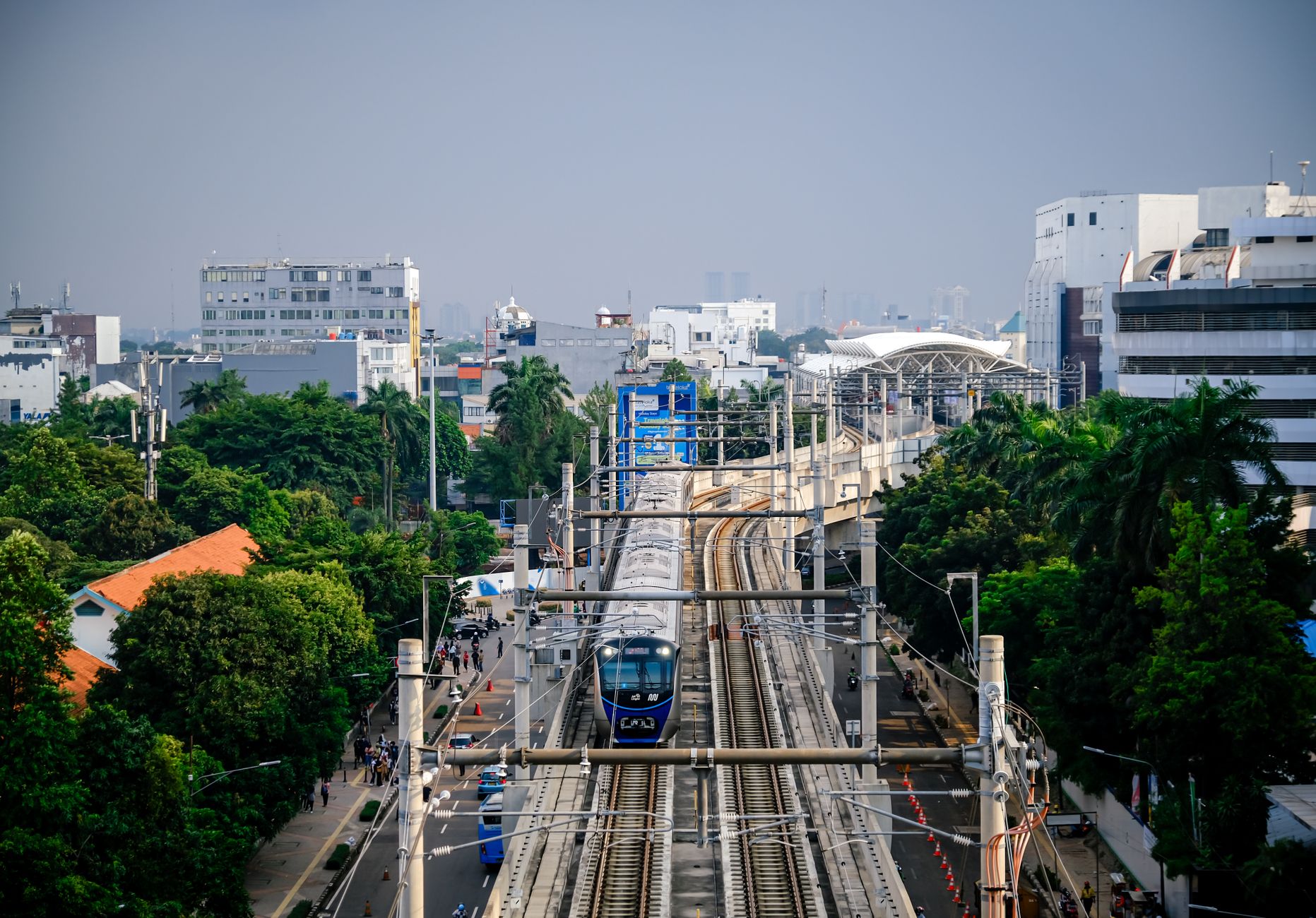
Indonesia has launched an ambitious $11 billion smart-city housing program to address rapid population growth and mounting pressure on urban infrastructure across the island of Java. The initiative, overseen jointly by the Ministry of Public Works and the Ministry of Housing, represents one of the largest residential development programs in Southeast Asia and aligns with President Joko Widodo’s long-term vision to modernize Indonesia’s major metropolitan regions.
The program focuses on developing integrated housing zones equipped with fiber-optic connectivity, renewable-energy microgrids, autonomous public transport, smart waste management, and AI-driven water-usage systems. Officials say the initiative is necessary to cope with migration into cities such as Jakarta, Bandung, and Surabaya, where annual population increases have exceeded earlier government projections.
The government plans to build approximately 420,000 housing units within the first phase, with an emphasis on affordability. Public–private partnerships will play a key role, as Indonesian developers collaborate with firms from Singapore, South Korea, and Japan. Tokyo-based housing company Sekisui and Singapore’s CapitaLand are among the firms expected to bid on major components of the project.
According to the Housing Ministry, the smart-city housing zones will be designed as “15-minute cities,” ensuring that essential services such as healthcare, public offices, schools, and retail outlets are accessible within walking or cycling distance. AI-enabled traffic management systems will attempt to reduce congestion, a longstanding challenge in Jakarta and its surrounding regions.
The energy component of the project is among its most ambitious. Each new housing cluster will operate on decentralized solar microgrids paired with battery storage systems. South Korean and Australian energy-tech companies have expressed interest in supplying the renewable infrastructure. Indonesia hopes the microgrid model will ease the strain on Java’s aging electricity networks.
Urban-planning analysts say Indonesia’s approach is modeled partially on Japan’s “compact city” framework and Singapore’s smart-town concepts, but adapted for Indonesia’s more complex population density. The government is also incorporating flood-resilience systems into new zones, including elevated building foundations, advanced drainage, and permeable road surfaces—crucial in a country frequently struck by seasonal flooding.
Real estate investors in Southeast Asia have reacted positively to the announcement. Analysts note that Indonesia’s rising middle class is generating significant demand for modern housing, boosting investor confidence across the region. Singaporean investment funds have already begun scouting opportunities in the early development phase, while Malaysian construction groups are negotiating supply contracts for building materials.
The initiative also aims to attract foreign professionals. Indonesia is positioning several smart-city zones as digital-industry hubs, offering co-working spaces, high-speed internet, and e-governance services. Thailand, Vietnam, and the Philippines have adopted similar strategies in recent years, but Indonesia’s scale is comparatively larger.
Critics, however, warn that execution risks remain. Indonesia’s major construction programs have historically faced delays due to land-acquisition complexities and logistical challenges. Officials say the government has streamlined its approval process to avoid bureaucratic bottlenecks.
Despite concerns, demand indicators are strong. Real estate agencies in Jakarta reported a 14 percent increase in inquiries for upcoming smart-city housing units within days of the announcement. Younger buyers in particular are attracted to features such as EV-charging networks, app-based security, and community-level renewable energy grids.
Construction of the first smart-city housing clusters will begin in early 2026. If successful, the initiative could reshape Indonesia’s urban development trajectory and bolster the country’s appeal to foreign investors and tech-driven industries across the Asia-Pacific region.

Written by
TPC Editorial Desk
The Platinum Capital editorial desk
Articles on The Platinum Capital are produced by the TPC editorial desk with the assistance of AI tools, and edited before publication. TPC Awards profiles are based on information provided in nominations and checked against public sources. Reach out at info@theplatinumcapital.com.