

Investment Shifts Toward Resilience, Utilities And Mixed-Use Demand
Investment trends in 2026 are increasingly rewarding projects and leaders that can deliver resilience rather than just growth. That is visible in real estate, infrastructure and the broader leadership choices being made by investors, developers and policymakers. In India, domesti…
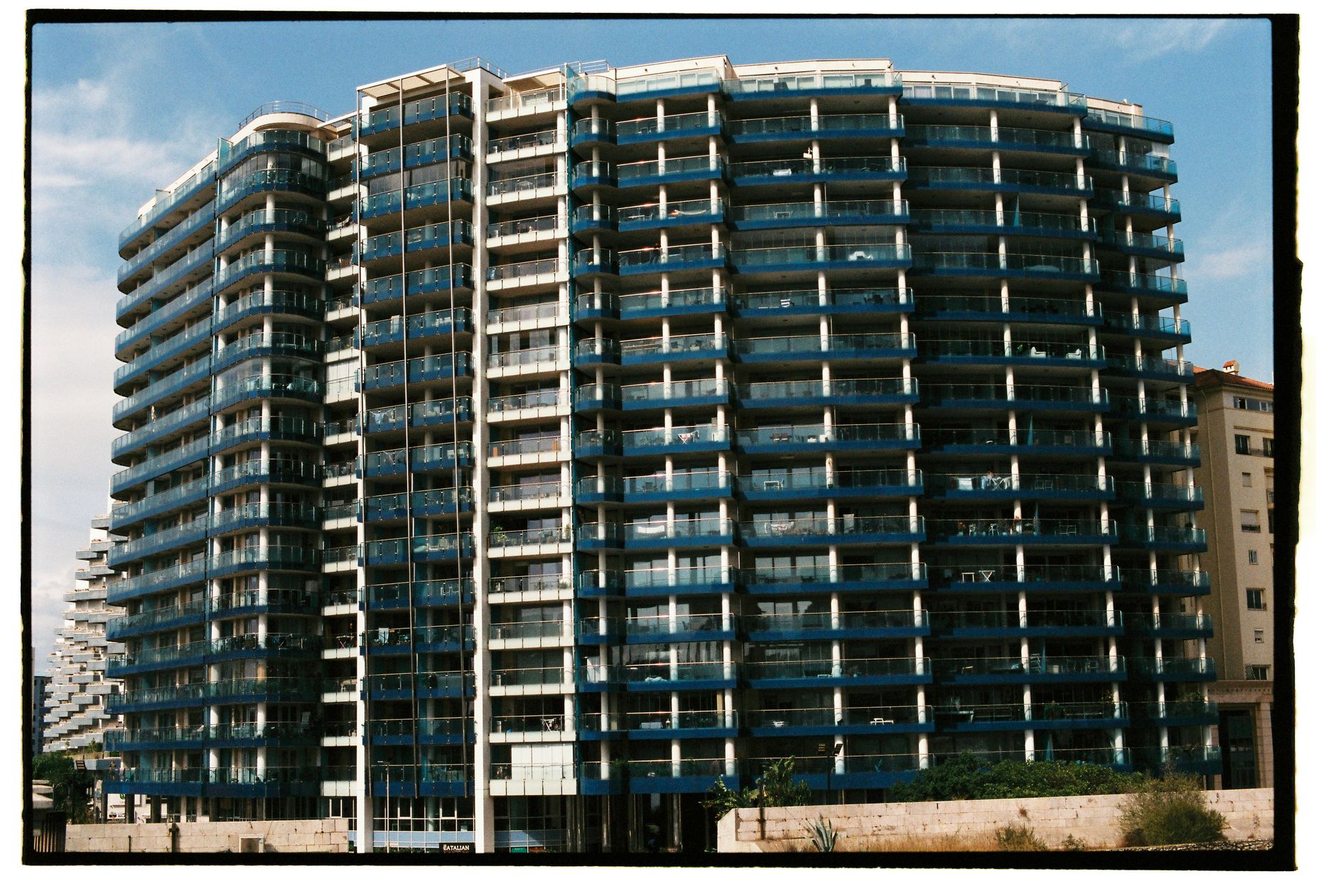
Investment trends in 2026 are increasingly rewarding projects and leaders that can deliver resilience rather than just growth. That is visible in real estate, infrastructure and the broader leadership choices being made by investors, developers and policymakers.
In India, domestic investors and REITs helped drive a record 5.1 billion dollars of inflows into real estate in the first quarter, according to The Economic Times. That suggests capital is still available, but it is being allocated more carefully, with preference for assets that can generate reliable cash flow. Across Asia-Pacific, surveys have also shown buying intentions in real estate at multi-year highs, particularly in sectors like logistics, data centers and mixed-use urban assets.
This is not just a property story. It reflects a larger change in how leaders are making capital allocation decisions. Real estate and infrastructure projects now have to answer the same questions as tech and energy investments: how do they perform under stress, how exposed are they to power costs, and how quickly can they be repurposed if demand changes?
Hospitality is part of the same logic. Global chains see India as a top-five market, but the broader lesson is that hotel and mixed-use developers are moving toward assets with multiple revenue streams rather than betting solely on luxury tourism. That is especially important when geopolitical disruptions can affect travel demand, insurance costs and investor sentiment at the same time.
Leadership quality is becoming the differentiator. Finance trends for 2026 emphasize advanced scenario planning, technology adoption and sustainability as core finance priorities. That means the best leaders are not simply those who approve big projects, but those who can match projects to a risk framework that includes energy, digital infrastructure and geopolitical disruption.
Infrastructure and real estate are therefore converging with governance. The market is rewarding leaders who can prove that assets will still make sense if rates stay high, power stays volatile and demand shifts faster than expected. In the current environment, that may be the most valuable skill of all.
If you want, I can continue with 5 more APAC/world articles in the same 750+ word format and make them completely non-overlapping with these five.

Written by
TPC Editorial Desk
The Platinum Capital editorial desk
Articles on The Platinum Capital are produced by the TPC editorial desk with the assistance of AI tools, and edited before publication. TPC Awards profiles are based on information provided in nominations and checked against public sources. Reach out at info@theplatinumcapital.com.