Iran War Forces Global Investors To Re‑Price “Stability Premium” Of Gulf Hubs
The Iran war is forcing global investors to re‑examine one of the core assumptions that underpinned the Gulf’s emergence as a financial super‑hub: that Dubai, Abu Dhabi, Riyadh and Doha offer a “stability premium” compared with other emerging markets. Bloomberg’s “Mideast Money” …
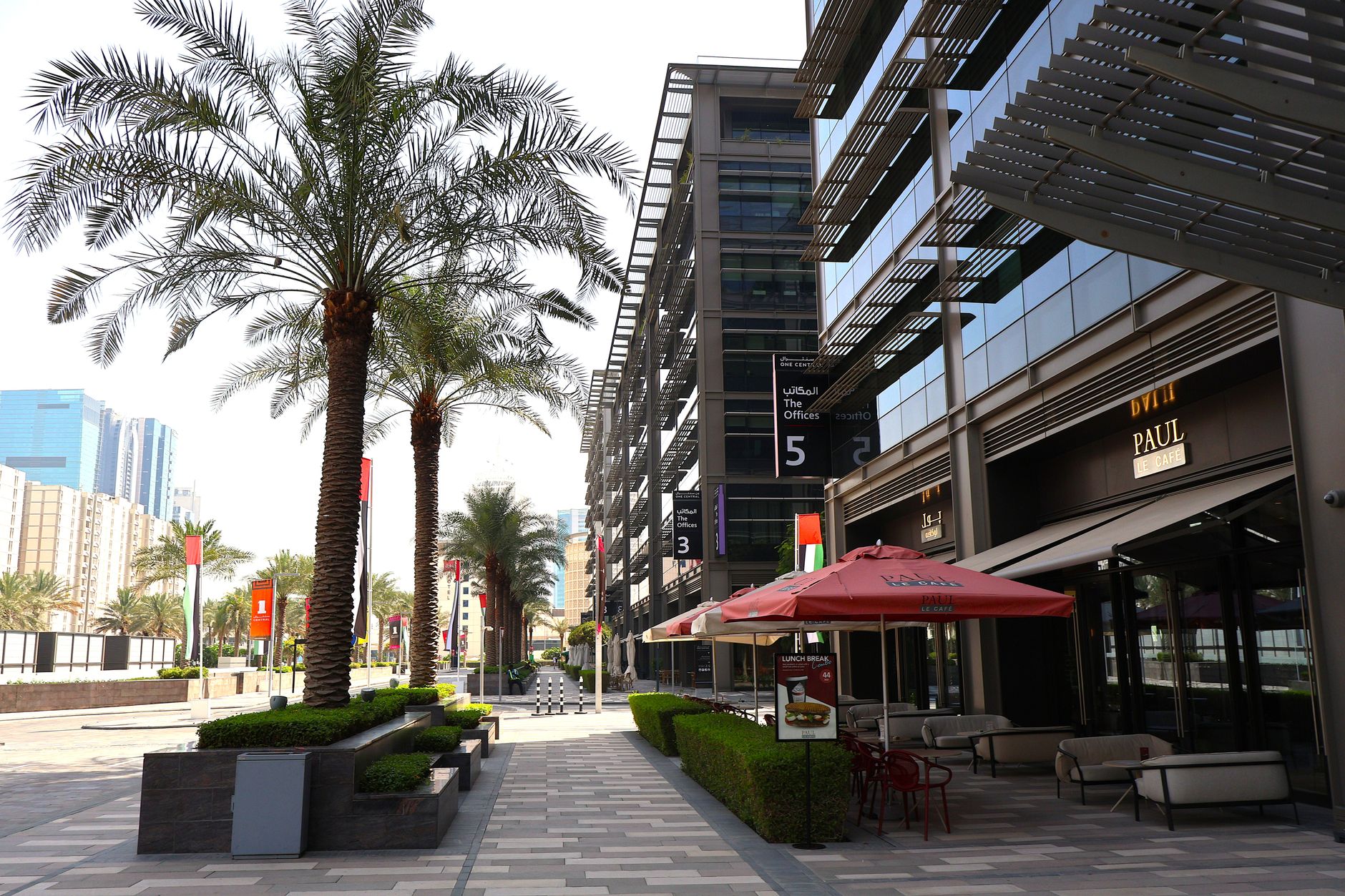
The Iran war is forcing global investors to re‑examine one of the core assumptions that underpinned the Gulf’s emergence as a financial super‑hub: that Dubai, Abu Dhabi, Riyadh and Doha offer a “stability premium” compared with other emerging markets.
Bloomberg’s “Mideast Money” newsletter notes that the region’s boom as a capital‑raising and wealth‑management centre was built on a simple promise: relative stability and predictable policy in a world of rising geopolitical risk. That narrative took a hit when Iran launched unprecedented missile and drone attacks across multiple Gulf states, following US‑Israeli strikes, terrifying residents and investors.
The immediate impact showed up in oil and bonds. Reuters reports that US and European stocks fell while government bonds sold off and the dollar climbed as the Iran war drove an oil rally and stoked inflation concerns, undermining hopes for near‑term rate cuts. Gulf sovereign‑credit spreads widened modestly as investors priced higher event risk.
For now, most analysts see the region’s core fiscal and external balances as strong enough to absorb shocks, thanks to high reserves, manageable debt and flexible spending plans. But the stability premium is being recalibrated: investors are asking whether Gulf hubs deserve the same risk weighting as before, or whether higher spreads and stricter covenants are warranted.
Finance ministries and regulators are responding with stepped‑up communications on resilience: highlighting capital buffers in the banking system, emergency‑response protocols for markets and infrastructure, and efforts to diversify economies away from pure hydrocarbons.
How convincingly Gulf leaders navigate this reputational challenge will shape capital‑allocation decisions from Singapore, Hong Kong, Tokyo and Sydney over the rest of the decade, influencing everything from bank‑loan pricing to where global asset managers base their regional teams.

Written by
TPC Editorial Desk
The Platinum Capital editorial desk
Articles on The Platinum Capital are produced by the TPC editorial desk with the assistance of AI tools, and edited before publication. TPC Awards profiles are based on information provided in nominations and checked against public sources. Reach out at info@theplatinumcapital.com.