
Japan and South Korea Manufacturing Sectors Face Restructuring Amid Global Supply Chain Shifts
TOKYO – East Asian manufacturing powerhouses Japan and South Korea are navigating significant industrial restructuring as global supply chains reconfigure, with Japan's machine tool orders reaching JPY 1.48 trillion in 2024 showing resilience despite domestic challenges while Sou…
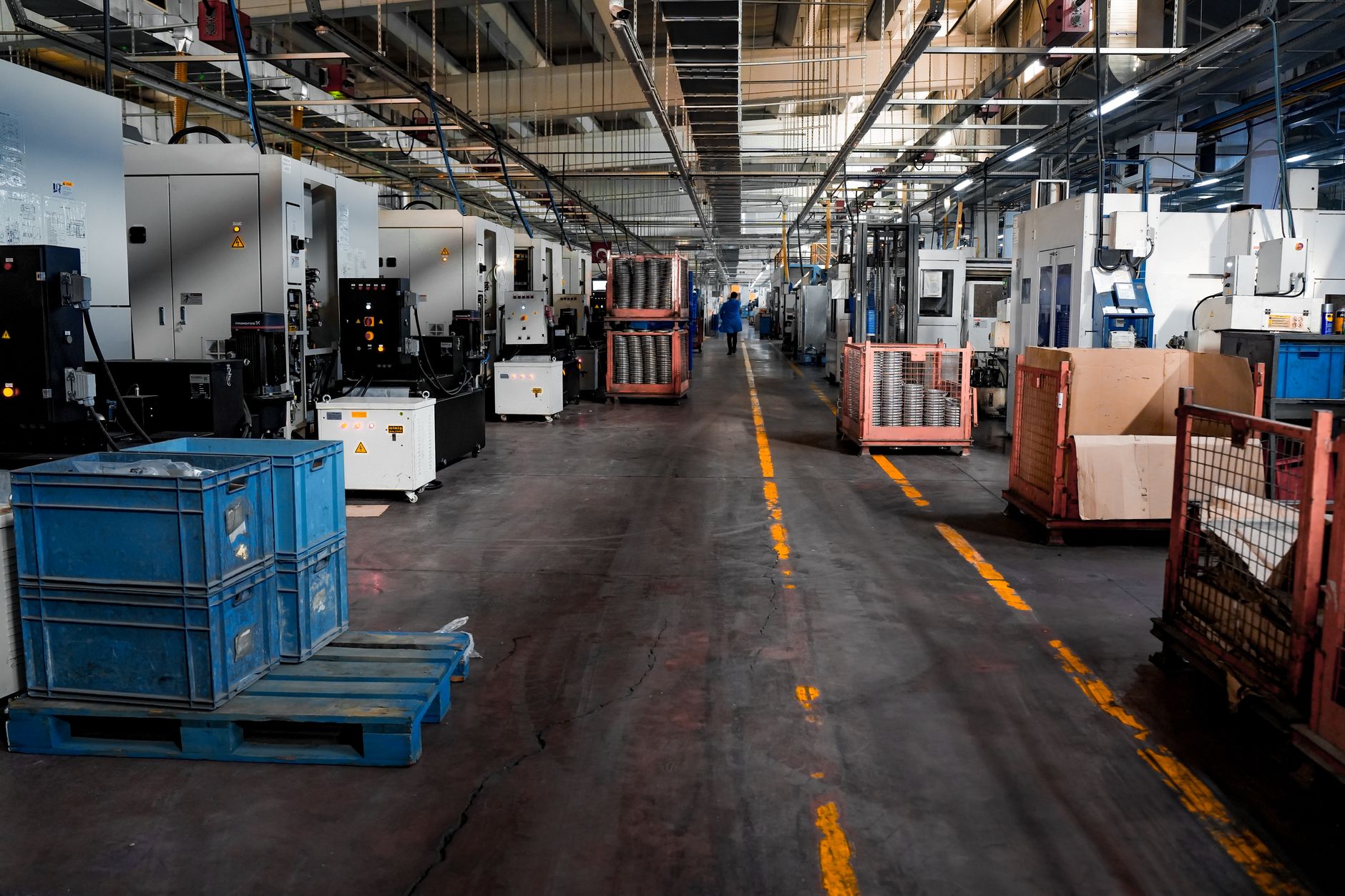
TOKYO – East Asian manufacturing powerhouses Japan and South Korea are navigating significant industrial restructuring as global supply chains reconfigure, with Japan's machine tool orders reaching JPY 1.48 trillion in 2024 showing resilience despite domestic challenges while South Korea advances strategic initiatives targeting materials, parts and equipment independence following trade tensions with regional partners.
Japan's machine tool industry recorded total order values of JPY 1.48 trillion in 2024, representing a slight 0.1 percent decrease from the previous year. Although marking the second consecutive year orders fell below JPY 1.5 trillion, the figure ranks as eighth highest in history, demonstrating underlying sector strength despite near-term headwinds from prolonged market adjustments and slower-than-expected recoveries in semiconductor and automotive investments.
Domestic demand faced particular challenges, with anticipated recoveries in semiconductor-related investments and automotive sector spending failing to materialize as expected. However, foreign demand remained relatively stable, with China indicating signs of recovery and North America maintaining steady order levels. Foreign orders rose for the first time in two years, increasing 3.4 percent year-over-year to JPY 1.04 trillion, marking the fourth consecutive year exceeding JPY 1 trillion and ranking as third highest level ever recorded.
China's recovery proved particularly significant for Japan's machine tool exporters. Orders from China reached JPY 337.1 billion in 2024, up 23.0 percent year-over-year, bolstered by government subsidies aimed at alleviating economic concerns following the real estate sector downturn. South Korea orders rose 18.3 percent to JPY 29.6 billion, Taiwan increased 10.2 percent to JPY 22.3 billion, and India surged 25.6 percent to JPY 64.2 billion, reflecting strong demand across multiple Asian markets.
The global machine tool industry continued significant restructuring through 2024. United Grinding Group, a Swiss grinder manufacturer, announced acquisition of GF Machining Solutions specializing in electrical discharge machining, machining centers and laser processing machines in October. DMG MORI announced it would fully acquire TAIYO KOKI in November, further consolidating group operations. These moves followed the 2023 merger of Swiss companies Starrag and Tornos, reflecting industry-wide consolidation trends.
South Korea's manufacturing sector pursued strategic initiatives addressing vulnerabilities exposed by 2019 trade tensions with Japan. When Japan strengthened export controls on liquid crystals, photoresist and hydrogen fluoride critical for semiconductor and liquid crystal manufacturing, South Korea launched comprehensive programs achieving materials, parts and equipment independence.
The Special Law on Materials, Parts and Equipment enacted in late 2020 committed approximately $10 billion investment in MPE sectors by 2024. The law established the Special Account for MPE and Committee for Reinforcing Competitiveness of MPE, targeting 100 selected items for supply chain stability. These items span six major sectors including semiconductors, displays, automobiles, electrical and electronics, machinery/metals, and basic chemistry.
South Korea's additive manufacturing market demonstrates strong growth potential, projected to expand at 27.1 percent CAGR from 2024 to 2030. Hardware represents the largest revenue-generating printer component in 2023, while software emerges as the most lucrative segment registering fastest growth during the forecast period. The government recognizes additive manufacturing's potential, launching several initiatives promoting development and adoption alongside funding programs supporting technology advancement.
Japan's manufacturing industry faces high costs from yen appreciation and intense competition from low-cost overseas production. However, Japanese companies surviving these challenges have strengthened competitiveness through adversity. The weak yen has recently become a tailwind, with exports reaching all-time highs despite trade deficit concerns driven by increased import values from rising energy costs.
The steel industry exemplifies Japan's adaptation strategy. Although production peaked around 1980, output volumes have remained relatively flat with 40 to 50 percent of produced steel exported, maintaining highly competitive positions in global markets. Rather than competing on price with latecomers including South Korea, China and India, Japan shifted toward high-value-added industrial steel with distinctive structural characteristics, stepping away from general-purpose construction steel to focus on sectors maximizing technical strengths.
Japan maintains significant advantages in manufacturing equipment and materials despite losing market share in finished products. In the LCD industry, Japan held 100 percent of industrial LCD panel market share around 1990, but South Korea and Taiwan overtook this by 2002. However, Japanese companies still hold top worldwide positions manufacturing equipment producing panels, liquid crystal materials and specialized films applied to screens widening viewing angles.
Southeast Asian manufacturing presents both competition and opportunities for Japan and South Korea. The ASEAN region showed manufacturing sector growth while major economies including US, China, Japan and eurozone experienced contractions in late 2022. ASEAN's Purchasing Managers' Index demonstrated steady growth reflecting the region's critical role in global supply chains. Vietnam's average manufacturing wages at approximately half China's levels attract investment, while Indonesia offers cost competitiveness despite trailing productivity.
Imports to Southeast Asia were valued at $1.78 trillion in recent periods, with China, South Korea and Japan supplying the largest share, particularly electronic components. ASEAN benefits from free trade agreements including RCEP (Regional Comprehensive Economic Partnership) and CPTPP (Comprehensive and Progressive Agreement for Trans-Pacific Partnership), lowering tariffs and broadening market access especially in electronics, textiles and automotive sectors.
Looking forward, Japan and South Korea face challenges including aging workforces, high labor costs relative to developing competitors, and need for continued innovation maintaining technological leadership. However, both countries possess substantial advantages including advanced technical capabilities, quality reputations, established customer relationships and government support for strategic industries.
Success will require continued investment in research and development, workforce training, automation technologies and strategic partnerships with growing markets in Southeast Asia, India and other regions. The manufacturing restructuring underway in Japan and South Korea represents not retreat but evolution toward higher-value activities that leverage accumulated expertise while adapting to rapidly changing global competitive dynamics.

Written by
TPC Editorial Desk
The Platinum Capital editorial desk
Articles on The Platinum Capital are produced by the TPC editorial desk with the assistance of AI tools, and edited before publication. TPC Awards profiles are based on information provided in nominations and checked against public sources. Reach out at info@theplatinumcapital.com.