

Jordan Bets on Gulf Families and Mid‑Market Hotels as Tourism Revenues Climb Toward 2026 Peak
Jordan is tightening its focus on Gulf visitors and mid‑range hospitality as it prepares for another strong tourism year in 2026, banking on its image as the “calm house between noisy neighbours” to attract UAE and Saudi families seeking culture and nature over glitz. After welco…
Jordan is tightening its focus on Gulf visitors and mid‑range hospitality as it prepares for another strong tourism year in 2026, banking on its image as the “calm house between noisy neighbours” to attract UAE and Saudi families seeking culture and nature over glitz. After welcoming 2.7 million overnight tourists in the first half of 2025, a 14 percent year‑on‑year increase, the kingdom is targeting 10 million annual overnights by 2033 while prioritising “high‑quality tourism over mass numbers.”
Data from the Jordan Tourism Board show that Saudi Arabia topped GCC source markets with 564,000 overnight visitors in H1 2025, up 8 percent from a year earlier. UAE residents, though a smaller base, increased visits by 15 percent to around 10,000 tourists, drawn by Petra, Wadi Rum, the Dead Sea and Amman’s food scene. Tourism revenues reached about $3.67 billion in the first half of 2025, an 11.9 percent rise, helped by a 43 percent jump in receipts from “other nationalities,” including Asian visitors.
Jordan’s advantage lies in proximity, shared culture and a product mix that appeals to Gulf family travellers: heritage, religious sites, desert landscapes and cooler summer escapes. As parts of the wider region wrestle with instability, officials have invested in messaging campaigns that emphasise safety and hospitality, backed by security coordination and infrastructure upgrades.
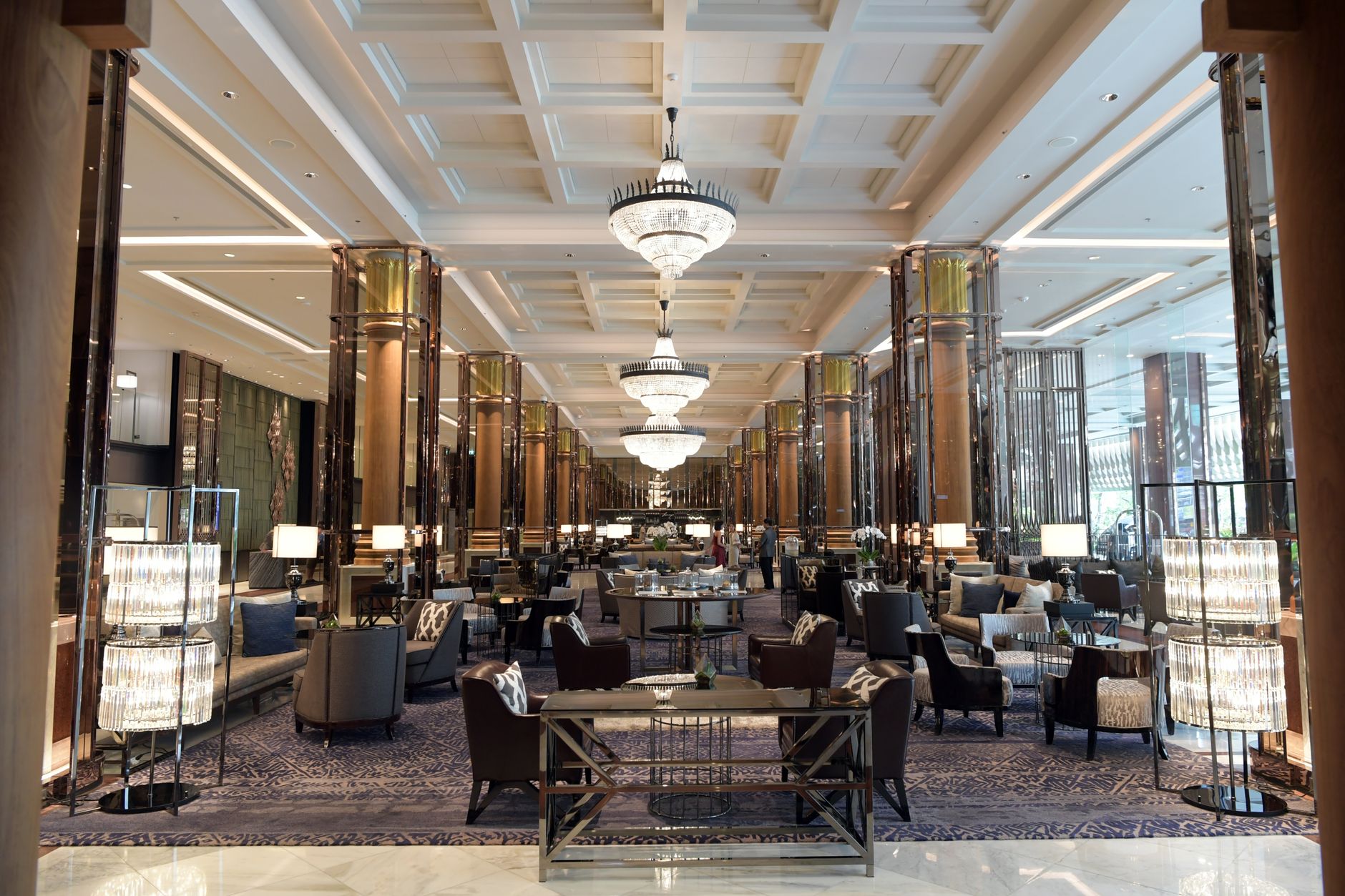
To lock in growth, authorities are encouraging investment in mid‑range and upper‑midscale hotels in Petra, Wadi Rum and the Dead Sea, aiming to fill the gap between basic guesthouses and high‑end resorts. “We see strong demand from UAE and Saudi families who want quality accommodation without ultra‑luxury price tags,” tourism officials say, noting that chain‑branded three‑ and four‑star properties can boost both comfort and occupancy.
Aviation links are expanding. Royal Jordanian Airlines is adding flights from Delhi, Mumbai and other Asian hubs, while talks are underway to restore low‑cost services from carriers such as Ryanair and Wizz Air by late 2026. Joint‑venture discussions with Qatar Airways and Gulf carriers aim to position Amman as a connector between GCC cities, Europe and South Asia, with Petra and Wadi Rum packages marketed as stopover options.
Jordan’s success is occurring against a wider regional tourism upswing. Saudi Arabia recorded a 148 percent rise in international tourism revenue in 2024, while Oman, the UAE and Qatar continue to invest heavily in attractions and connectivity. That creates both competition and synergy: Gulf visitors can combine itineraries—spending a long weekend in Dubai or Riyadh before or after a week exploring Jordan’s historical and nature sites.
For real‑estate and hospitality investors from the UAE, Saudi Arabia and Qatar, Jordan offers a lower‑cost, longer‑duration bet on regional tourism flows. Land and development costs are lower than in major Gulf hubs, while visitor growth and RevPAR trends are positive. Government incentives for hotel development and infrastructure, including streamlined licensing and partial tax relief in priority locations, sweeten the proposition.
The main risks are geopolitical spill‑over and global demand shocks. Conflicts in neighbouring territories, shifts in airline behaviour and macro‑economic downturns in source markets could dent arrivals. But Jordan’s recent performance—growing tourism in the face of regional tension—suggests a degree of resilience that Gulf travellers and investors alike are starting to price in.

Written by
TPC Editorial Desk
The Platinum Capital editorial desk
Articles on The Platinum Capital are produced by the TPC editorial desk with the assistance of AI tools, and edited before publication. TPC Awards profiles are based on information provided in nominations and checked against public sources. Reach out at info@theplatinumcapital.com.


