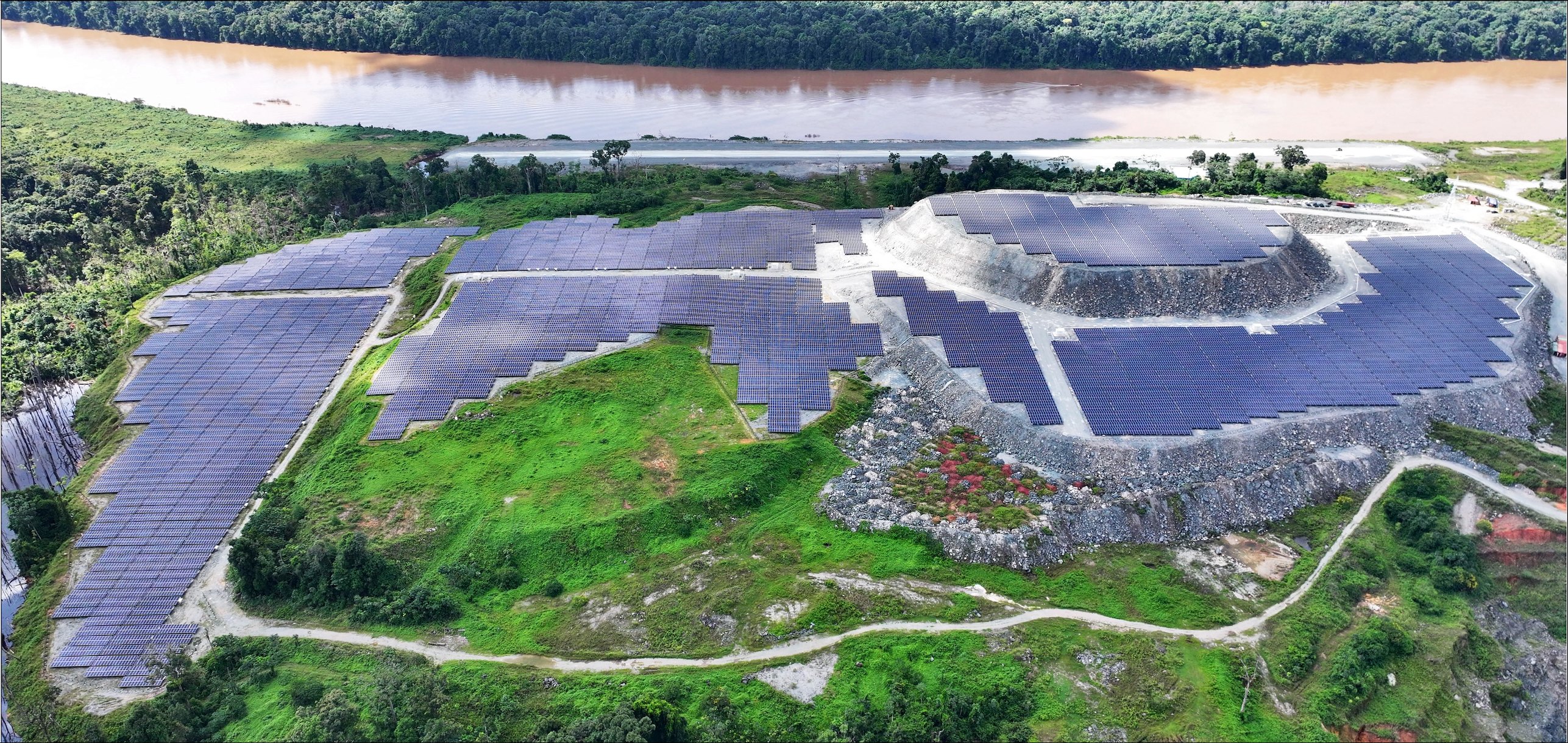

Kuwait Embarks on Large-Scale Battery Storage to Tackle Power Shortages
In a key move to strengthen electricity resilience and tackle chronic supply constraints, Kuwait is in negotiations to develop a major battery-storage project with a discharge capacity of up to 1.5 gigawatts (GW) and total energy storage of between 4 gigawatt-hours (GWh) and 6 GW…
In a key move to strengthen electricity resilience and tackle chronic supply constraints, Kuwait is in negotiations to develop a major battery-storage project with a discharge capacity of up to 1.5 gigawatts (GW) and total energy storage of between 4 gigawatt-hours (GWh) and 6 GWh, according to a senior official in the electricity ministry. AGBI+1
The Need and the Solution
Kuwait has faced severe electricity shortages driven by rapid population growth, high daytime temperatures, and ageing power-system infrastructure. Introducing large-scale battery storage forms a strategic element of the country’s energy transition and grid-resiliency roadmap. AGBI
Battery storage can deliver peak-load relief, enable better integration of variable renewables, defer investment in fossil-fired peaking plants and contribute to reliability of supply in the face of rising demand.
Broader Regional Energy Landscape
The Middle East continues to balance its traditional hydrocarbons business with energy-transition imperatives. A recent report by EY highlights how the region’s energy infrastructure faces heightened cyber, environmental and geopolitical risks — and how resilience frameworks, including digital and storage solutions, are becoming increasingly critical. EY
The region’s large share of global oil and gas production — around 31 % of global oil production and 18 % of natural-gas production — underscores how critical the Middle East remains in global energy flows. EY
Key Takeaway
Kuwait’s battery storage initiative marks a maturation point in regional energy strategy: moving from “add more generation” to “optimise and modernise the grid”. For companies and advisors in energy-tech, automation, digital-solutions and consulting, this transition opens a range of new value-streams.
In turn, the success of such projects will depend on selecting the right technology stack, establishing robust contracts and lifecycle frameworks, aligning with national policy, and ensuring grid-integration is managed in a forward-looking manner.

Written by
TPC Editorial Desk
The Platinum Capital editorial desk
Articles on The Platinum Capital are produced by the TPC editorial desk with the assistance of AI tools, and edited before publication. TPC Awards profiles are based on information provided in nominations and checked against public sources. Reach out at info@theplatinumcapital.com.