Middle East Education Sector Embraces Digital Transformation with UAE Leading Regional Innovation
DUBAI – The Middle East education sector is undergoing profound digital transformation as countries invest heavily in educational technology, online learning platforms and smart campus infrastructure, with United Arab Emirates allocating substantial budgets toward innovation-driv…
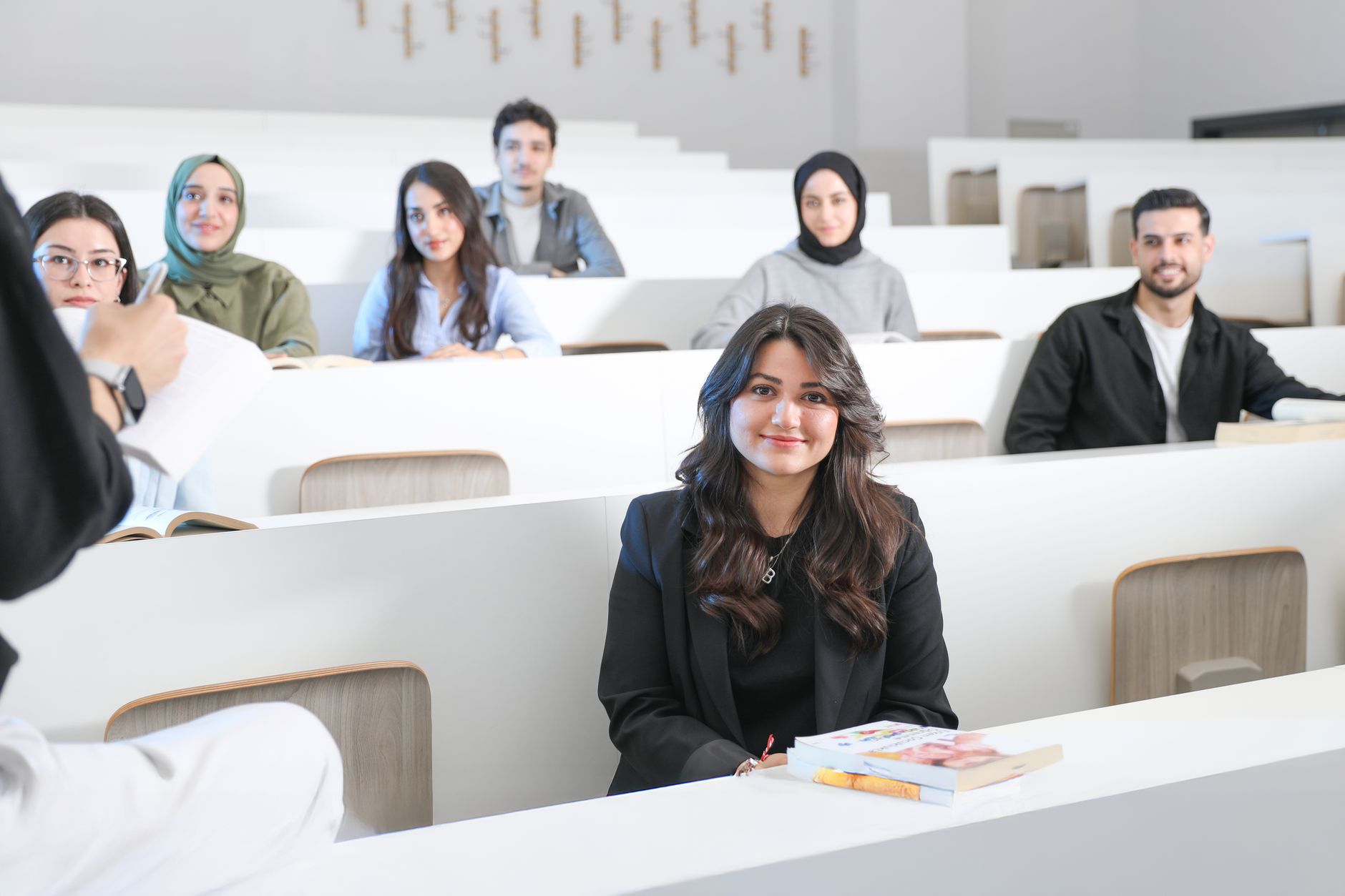
DUBAI – The Middle East education sector is undergoing profound digital transformation as countries invest heavily in educational technology, online learning platforms and smart campus infrastructure, with United Arab Emirates allocating substantial budgets toward innovation-driven education models that prepare students for knowledge-based economies while Saudi Arabia and Qatar implement comprehensive reforms aligning educational outcomes with Vision 2030 and National Vision 2030 strategic objectives respectively.
The UAE Ministry of Education has prioritized digital literacy and computational thinking across all educational levels, introducing coding and artificial intelligence concepts in primary schools while expanding STEM-focused programs at secondary and tertiary institutions. The National Program for Coders launched in 2021 aims to train 100,000 programmers within five years, with significant progress demonstrated through partnerships between educational institutions and technology companies including Microsoft, Google and regional tech leaders.
Dubai's Knowledge and Human Development Authority oversees 214 private schools serving more than 310,000 students representing 171 nationalities, creating one of the world's most diverse educational ecosystems. The authority implements rigorous inspection frameworks ensuring quality standards while encouraging innovation in curriculum delivery, assessment methods and student support services. Many schools have achieved outstanding or very good ratings, demonstrating the sector's overall high performance.
UAE universities are expanding research capabilities through substantial government funding, international partnerships and industry collaborations. Khalifa University, recognized as the UAE's top-ranked institution, has established research centers focusing on renewable energy, autonomous systems, water security and advanced materials. The university attracts faculty from leading global institutions while graduating highly skilled engineers and scientists contributing to national innovation priorities.
Saudi Arabia's education sector transformation aligns with Vision 2030 objectives diversifying the economy and developing human capital. The Ministry of Education has implemented comprehensive curriculum reforms emphasizing critical thinking, problem-solving and digital skills alongside traditional academic subjects. New textbooks incorporate contemporary themes including entrepreneurship, innovation and global citizenship preparing students for 21st century challenges.
The Kingdom has invested billions of dollars establishing world-class universities attracting international faculty and students. King Abdullah University of Science and Technology operates as a research-intensive institution offering graduate programs in science and engineering fields while fostering innovation through partnerships with global companies and research organizations. Princess Nourah bint Abdulrahman University, the world's largest women-only university, provides comprehensive education to Saudi women across multiple disciplines supporting increased female labor force participation.
Scholarship programs have sent tens of thousands of Saudi students to study abroad at prestigious universities, building human capital and establishing international networks. Returning scholars bring global perspectives, advanced skills and entrepreneurial mindsets contributing to the Kingdom's transformation initiatives across public and private sectors. The government continues expanding these programs while strengthening domestic higher education institutions to retain more students within Saudi Arabia.
Qatar Foundation established Education City as an ambitious project hosting branch campuses of leading international universities including Georgetown, Northwestern, Texas A&M, Virginia Commonwealth University and Carnegie Mellon. This unique model brings world-class educational opportunities to the region while fostering cross-cultural exchange and research collaboration. Students benefit from American-style liberal arts education combined with Qatar's cultural context and strategic location.
Qatar University serves as the national university, providing comprehensive undergraduate and graduate programs to Qatari nationals and residents. The institution has significantly expanded research activities, particularly in areas aligned with national priorities including energy, environment, health sciences and social development. The university collaborates extensively with government ministries, state-owned enterprises and international partners advancing Qatar's knowledge economy ambitions.
Technical and vocational education is gaining increased attention across the region as governments recognize the need for skilled tradespeople, technicians and specialized professionals supporting economic diversification. The UAE, Saudi Arabia and Qatar have all established vocational training centers offering programs in fields including hospitality, healthcare, information technology, advanced manufacturing and logistics.
Online learning platforms experienced explosive growth following COVID-19 pandemic disruptions that forced sudden transitions to remote education. While emergency remote teaching exposed infrastructure gaps and digital literacy challenges, it also accelerated adoption of educational technologies and flexible learning models. Many institutions now offer hybrid programs combining in-person and online components providing students with greater flexibility while maintaining quality educational experiences.
Language education remains a priority, with English increasingly emphasized as the language of international business, science and technology. However, Arabic language preservation and promotion also receive attention given its cultural and religious significance. Many schools offer bilingual programs ensuring students develop strong capabilities in both Arabic and English preparing them for global opportunities while maintaining cultural identity.
Student mental health and wellbeing are receiving greater recognition as important factors affecting academic success and long-term development. Schools and universities are implementing counseling services, stress management programs and social-emotional learning curricula addressing psychological needs often overlooked in traditional education systems focused primarily on academic achievement.
Gender dynamics vary across the region, with UAE and Qatar demonstrating substantial progress toward gender equality in education. Female students outnumber males at university level in both countries, with women achieving higher average academic performance across most disciplines. However, cultural factors still influence subject and career choices, with engineering, computer science and some business fields remaining male-dominated despite growing female participation.
Saudi Arabia has witnessed dramatic changes in women's education and opportunities. Lifting of driving bans, guardianship requirement reforms and increasing female workforce participation have created unprecedented opportunities for Saudi women. Female enrollment in higher education now exceeds male enrollment, with women entering fields previously closed to them including law, engineering and business management.
Private education investment has surged across the region as growing populations and rising middle-class expectations create demand for quality educational options. International school operators including GEMS Education, Taaleem and others have established extensive networks serving expatriate families and increasingly local populations seeking international curriculum options. These schools typically offer British, American or International Baccalaureate programs with English as the primary instructional language.
Regulation of private education has tightened as governments ensure quality standards, protect consumer interests and align private sector activities with national educational goals. Licensing requirements, inspection regimes and fee regulations create frameworks balancing market dynamics with public policy objectives. Some jurisdictions cap tuition increases protecting families from excessive cost escalation while ensuring schools maintain financial viability investing in facilities, teachers and programs.
Early childhood education is gaining recognition as a critical foundation for lifelong learning and development. Governments are establishing standards for nurseries and preschools, training early childhood educators and promoting research-based pedagogical approaches. Increased awareness among parents about the importance of quality early education is driving demand for professional childcare and preschool services.
Looking forward, Middle East education systems face both opportunities and challenges. Rapid technological change requires continuous curriculum updates ensuring students develop relevant skills. Teacher recruitment, development and retention present ongoing challenges given demographic pressures and competing career opportunities. Balancing tradition and modernity, local and global perspectives, and individual and collective values requires careful navigation as societies undergo rapid transformation.
Educational outcomes will significantly influence whether Middle East nations successfully transition to knowledge-based economies less dependent on hydrocarbon resources. The substantial investments in education infrastructure, teacher training, curriculum development and educational technology position the region favorably, though realizing full potential requires sustained commitment, evidence-based policymaking and willingness to learn from both international best practices and local innovations tailored to regional contexts.

Written by
TPC Editorial Desk
The Platinum Capital editorial desk
Articles on The Platinum Capital are produced by the TPC editorial desk with the assistance of AI tools, and edited before publication. TPC Awards profiles are based on information provided in nominations and checked against public sources. Reach out at info@theplatinumcapital.com.