Middle East Energy Sector Faces Critical Transition as Demand Surges and Diversification Accelerates
DUBAI – The Middle East and North Africa region stands at a pivotal moment in its energy evolution, with electricity demand having tripled between 2000 and 2024, adding more than 1,000 terawatt-hours and making MENA the third-largest contributor to global electricity demand growt…
DUBAI – The Middle East and North Africa region stands at a pivotal moment in its energy evolution, with electricity demand having tripled between 2000 and 2024, adding more than 1,000 terawatt-hours and making MENA the third-largest contributor to global electricity demand growth after China and India. Natural gas and oil currently dominate the electricity mix, accounting for over 90 percent of total generation, but significant diversification efforts are underway across multiple countries.
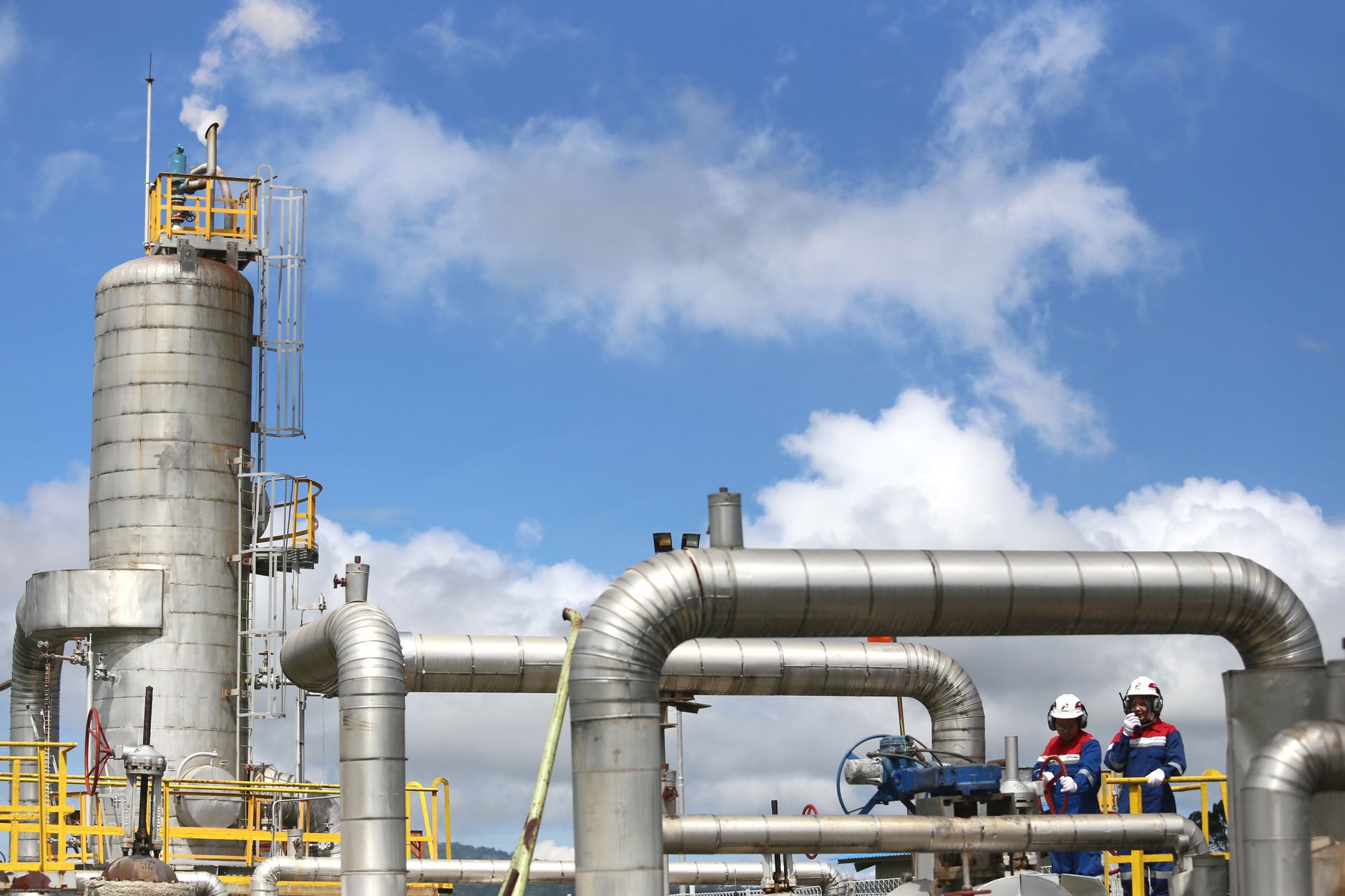
In 2024, natural gas provided 70 percent of MENA's electricity, serving as the primary fuel for power generation in Algeria, Bahrain, Egypt, Iran, Oman, Tunisia, United Arab Emirates and Qatar. Oil supplied 20 percent, requiring 1.8 million barrels per day – equivalent to Mexico's current production. Oil-fired power plants account for even higher generation shares in major exporting countries including Iraq, Saudi Arabia and Kuwait.
This heavy reliance on hydrocarbons is reinforced by substantial subsidies in many countries that keep domestic energy prices low and encourage continued consumption. However, if diversification strategies fall short and fossil fuels continue dominating the electricity mix, demand for both would rise by over 25 percent by 2035, according to International Energy Agency analysis.
In such a scenario, over 80 percent of additional oil demand would concentrate in five countries: Iran, Iraq, Kuwait, Lebanon and Saudi Arabia. More than 60 percent of extra natural gas demand would occur in Egypt, Saudi Arabia and the UAE. This trajectory would reduce oil and gas export revenues by $80 billion in 2035 and raise import bills by $20 billion, while carbon dioxide emissions would continue rising.
Building on momentum catalyzed partly by the UAE's COP28 leadership in 2023, eight MENA countries have set net-zero targets: Bahrain, Lebanon, Kuwait, Morocco, Oman, Saudi Arabia, Tunisia and the UAE. Fourteen countries have joined the Global Methane Pledge, committing to reduce global methane emissions by at least 30 percent from 2020 levels by 2030.
Nuclear power generation is poised to expand as countries seek reliable, affordable, low-emissions energy sources to enhance security and grid stability. Currently, five reactors operate in the region, including four in the UAE commissioned within the past five years. Construction is underway on five additional reactors – four in Egypt and one in Iran – while Saudi Arabia advances plans for its first nuclear units and the UAE explores further expansion. Nuclear capacity is projected to triple by 2035 to reach 19 gigawatts, marking a notable shift in the regional energy landscape.
Egypt, UAE and Bahrain are driving the shift toward low-carbon industrial futures through collaborative initiatives. The Industrial Transition Accelerator announced a pivotal partnership with Egypt's Industrial Modernization Center to fast-track clean industrial projects across MENA. This alliance aims to accelerate the shift toward sustainable industry by promoting decarbonization and reducing carbon emissions in high-emitting sectors.
Egypt, with its strategic location and access to both conventional and renewable energy resources, is well-positioned to contribute to global sustainability efforts. The country's industrial strategy targets increasing industrial contributions to GDP from 14 percent to 20 percent by 2030, with five percent coming from the green economy. Renewable energy dominates Egypt's new investment strategy as the nation positions itself as a potential major supplier of low-carbon industrial goods to the European Union.
The ITA's successful country partnership model has already supported projects in Brazil, UAE and Bahrain, identifying more than 45 green industrial projects with over $100 billion in investment opportunities. These efforts will continue accelerating decarbonization of key sectors across MENA, including aluminum, cement, chemicals, steel, aviation and shipping.
QatarEnergy's international expansion reflects evolving regional strategies. The company acquired a 27 percent stake in Shell's share of Egypt's offshore North Cleopatra block, expanding its presence in the Mediterranean. QatarEnergy also secured exploration permits in Congo and signed LNG supply deals with major international buyers, demonstrating the company's ambition to produce 500,000 barrels of oil equivalent per day outside Qatar by 2030.
Electricity consumption in Arab countries is forecast to increase by 3.5 percent to 1,296 terawatt-hours by the end of 2025, with Saudi Arabia, Egypt, UAE, Algeria and Kuwait accounting for 74 percent of regional consumption. Generated electricity is projected to exceed 1,754 terawatt-hours by 2030, requiring substantial infrastructure investment and fuel supply planning.
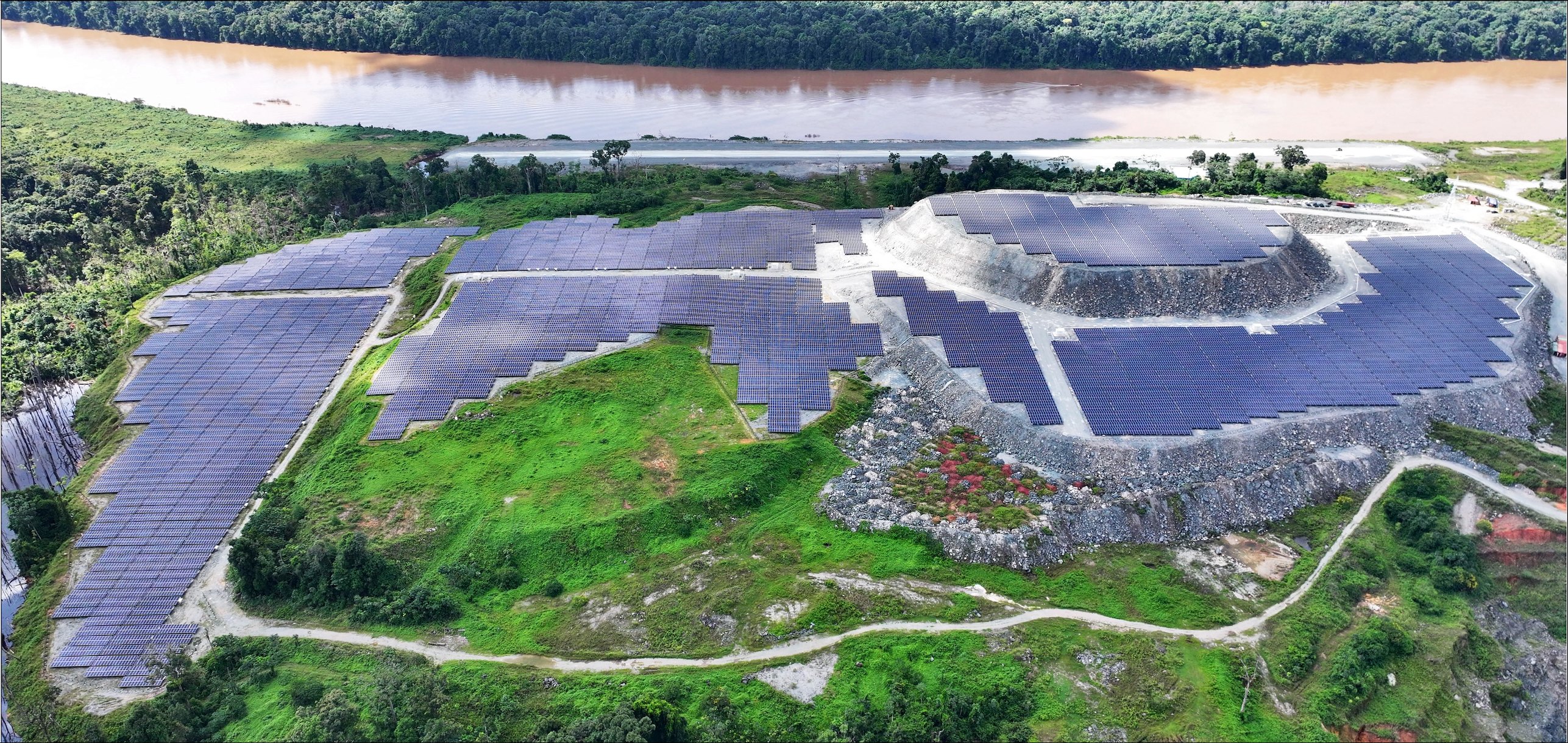
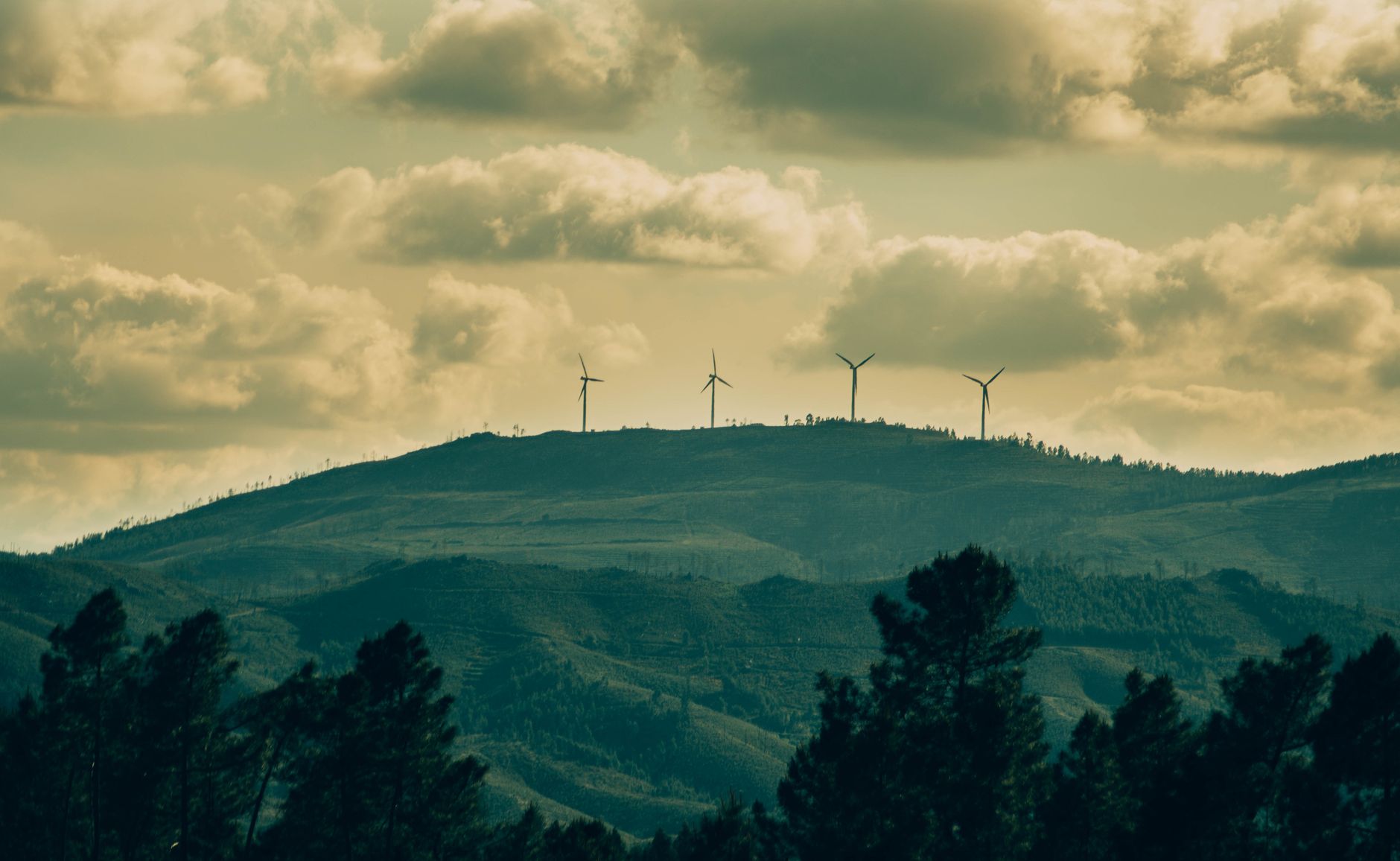
New digital infrastructure, including data centers, and growing interest in producing hydrogen for export are projected to be sources of rising electricity demand. As electricity demand rises and MENA's power mix diversifies, ensuring electricity security remains essential. Integrating more solar photovoltaic and wind generation requires robust and flexible power systems, modern grids, regional interconnections and advanced management capabilities.
The energy transition presents both challenges and opportunities for MENA countries. Success will require balancing immediate energy needs with long-term sustainability goals, managing fiscal impacts of reduced hydrocarbon revenues, developing workforce skills for new energy technologies and attracting investment for both conventional and renewable energy infrastructure. The region's energy choices in coming years will significantly influence both its economic trajectory and contribution to global climate objectives.

Written by
TPC Editorial Desk
The Platinum Capital editorial desk
Articles on The Platinum Capital are produced by the TPC editorial desk with the assistance of AI tools, and edited before publication. TPC Awards profiles are based on information provided in nominations and checked against public sources. Reach out at info@theplatinumcapital.com.