Middle East Eyes $200 Billion Gas Build-Out to Power AI and Growing Cities
Middle Eastern producers are preparing to pour around 200 billion dollars into natural‑gas projects by 2030 as they race to meet surging power demand from fast‑growing populations, energy‑hungry cities and the emerging AI economy. Industry leaders at the first Middle East Gas Con…
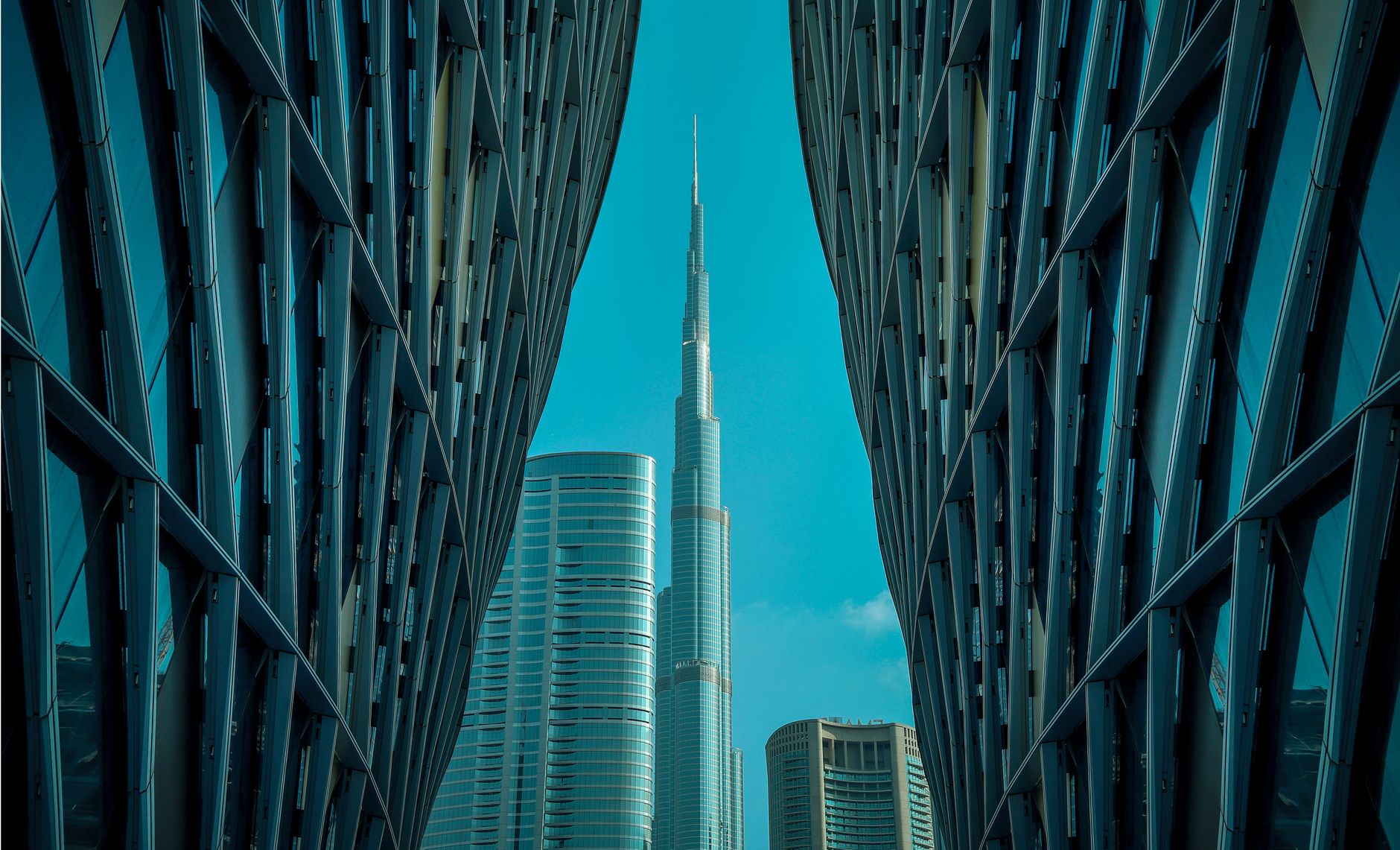
Middle Eastern producers are preparing to pour around 200 billion dollars into natural‑gas projects by 2030 as they race to meet surging power demand from fast‑growing populations, energy‑hungry cities and the emerging AI economy. Industry leaders at the first Middle East Gas Conference in Dubai said regional gas output is expected to rise about 30 percent by the end of the decade, putting the region on track to become the world’s second‑largest gas producer after North America.
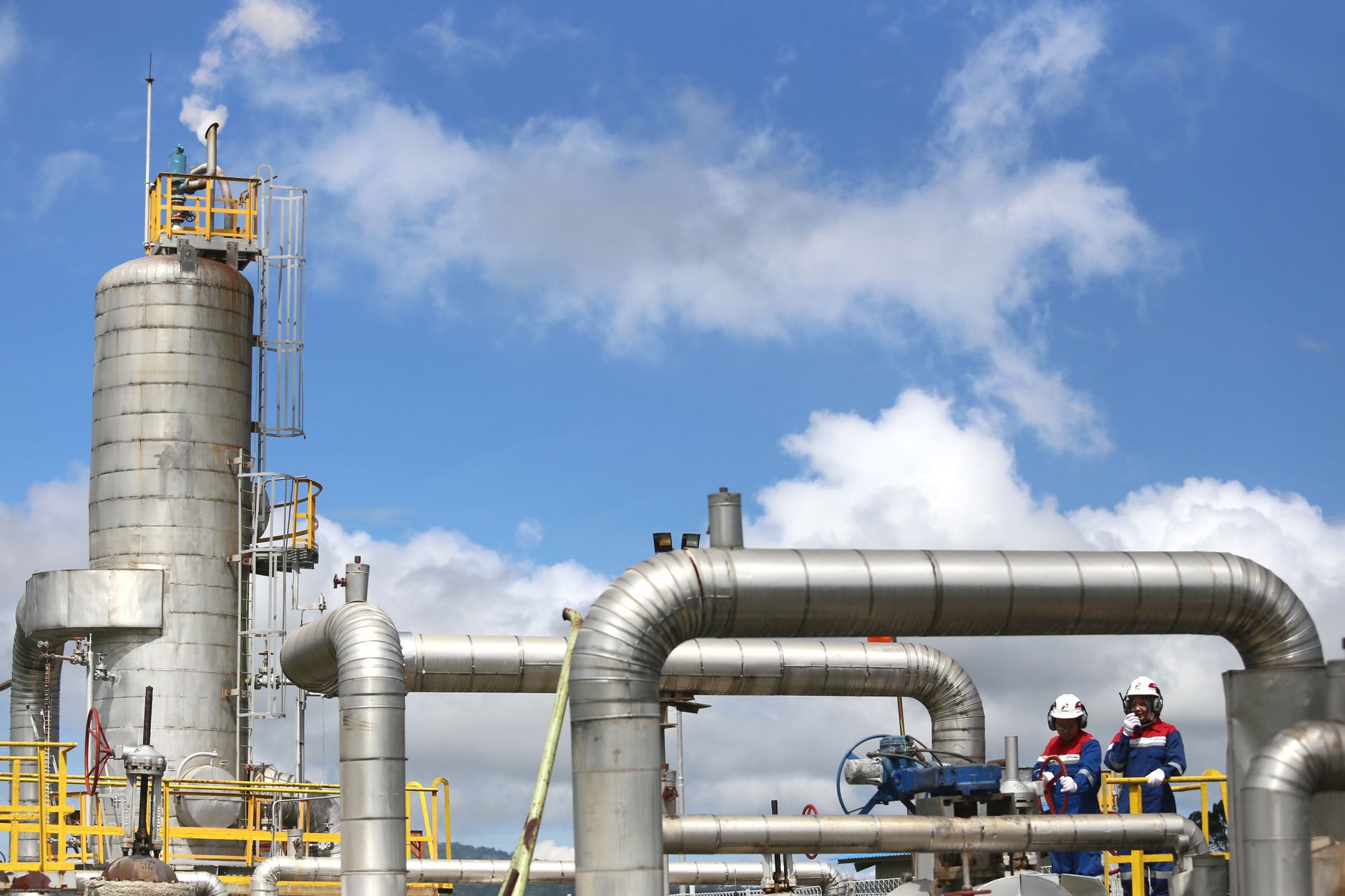
Executives from ADNOC, Saudi Aramco, Bapco Energy, Dana Gas and other national and international oil companies told delegates that the region will need to add roughly 14 billion cubic feet per day of new gas supply by 2030—equivalent to covering the entire power‑sector gas demand of Europe—to reach a projected 86 bcfd. That expansion is seen as essential to displacing oil in power generation, supporting industrial growth and providing reliable baseload electricity for energy‑intensive sectors such as desalination, heavy industry and data centers.
Conference speakers highlighted the growing role of AI infrastructure in shaping demand, noting that large data centers and GPU clusters require stable, around‑the‑clock power that renewables alone cannot yet guarantee in the region. With Gulf states simultaneously investing in AI hubs and digital infrastructure, participants argued that natural gas will remain a key “transition fuel” that enables higher renewable penetration while keeping the lights on. Affordable energy, supportive policy frameworks and ample capital were cited as competitive advantages for the region’s push to host AI‑related infrastructure.
Financiers including Deutsche Bank, Cantor Fitzgerald and First Abu Dhabi Bank attended the event to discuss new investment models, from long‑term offtake contracts and project‑finance structures to potential capital‑markets instruments that can fund both upstream and midstream gas assets. Speakers stressed the importance of integrated planning across production, pipelines and power plants, as well as regulatory frameworks that balance investor returns with environmental concerns and affordability for consumers. The International Energy Forum emphasized that in all realistic global scenarios, the world will still need significantly more energy that is reliable, affordable and lower‑carbon, placing natural gas at the center of the region’s energy strategy.
How this gas‑build‑out interacts with net‑zero pledges and global climate goals remains a central question. Some environmental groups worry that large new gas investments could lock in emissions for decades, while industry leaders counter that modern gas infrastructure can support carbon‑capture retrofits and facilitate eventual shifts to low‑carbon fuels. For now, Gulf and wider Middle Eastern policymakers appear convinced that expanding gas is compatible with their energy‑transition pathways, particularly if paired with aggressive renewable roll‑outs and efficiency measures.

Written by
TPC Editorial Desk
The Platinum Capital editorial desk
Articles on The Platinum Capital are produced by the TPC editorial desk with the assistance of AI tools, and edited before publication. TPC Awards profiles are based on information provided in nominations and checked against public sources. Reach out at info@theplatinumcapital.com.