New “AI Factories” From Taipei to Johor and Riyadh Redraw Asia’s Semiconductor Power Map
A 500‑million‑dollar AI data centre in Taiwan and a doubling of Malaysia’s data‑centre capacity are the latest signs that Asia’s “AI factory” build‑out is reshaping the region’s semiconductor and infrastructure landscape. As demand for model training and inference soars, governme…
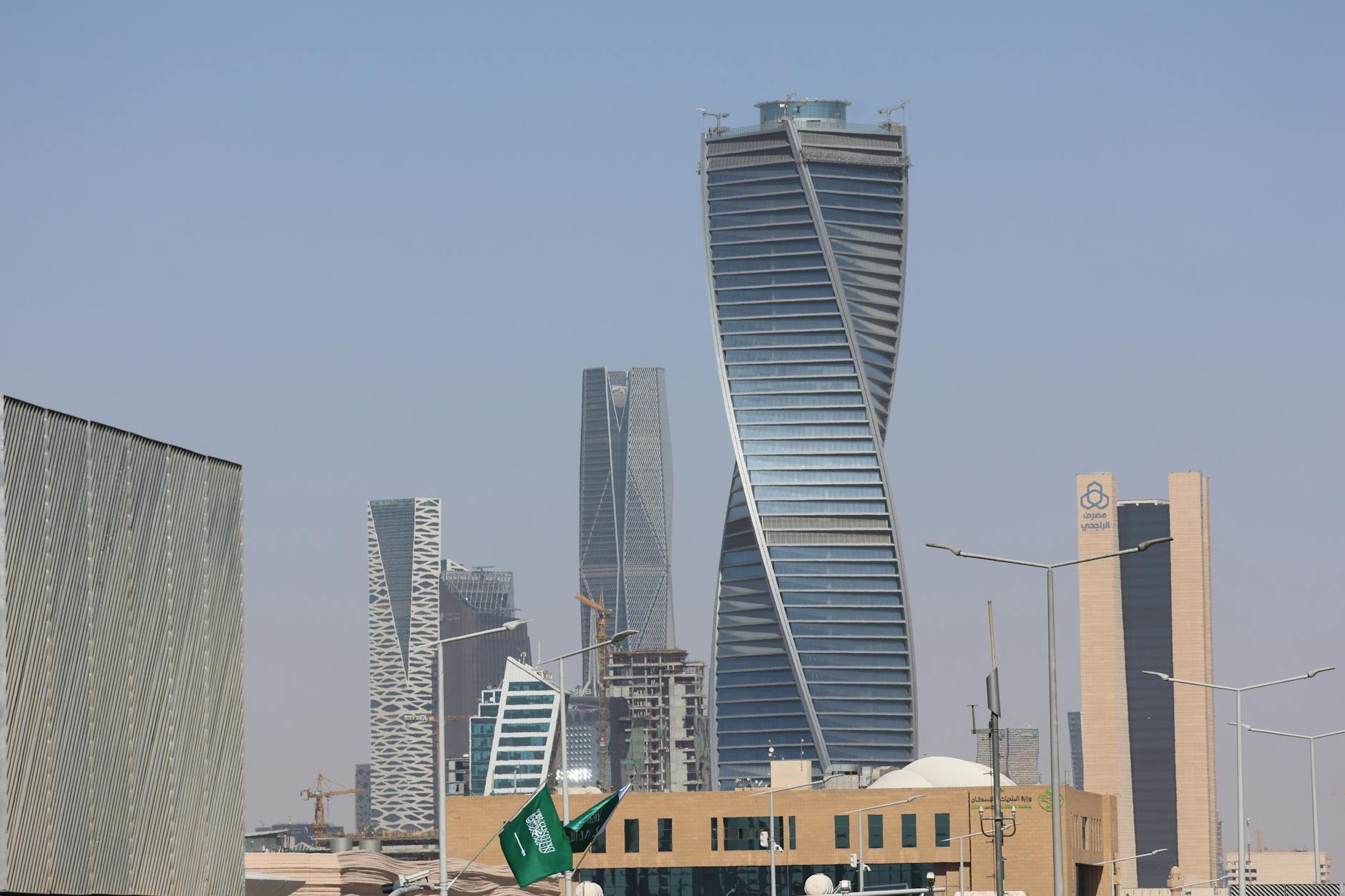
A 500‑million‑dollar AI data centre in Taiwan and a doubling of Malaysia’s data‑centre capacity are the latest signs that Asia’s “AI factory” build‑out is reshaping the region’s semiconductor and infrastructure landscape. As demand for model training and inference soars, governments and companies from Taipei and Kuala Lumpur to Riyadh and Seoul are racing to secure advanced chips, power and talent—while navigating an increasingly fraught geopolitical environment.
US‑based cloud provider GMI Cloud has announced plans to build a 500‑million‑dollar AI data centre in Taiwan, with support from Nvidia. Scheduled to come online by March 2026, the facility will run on Nvidia’s Blackwell GB300 chips, housing about 7,000 GPUs across 96 high‑density racks and drawing roughly 16 megawatts of power. The cluster is expected to process nearly 2 million tokens per second, effectively functioning as an “AI factory” for model training and inference workloads.
Nvidia CEO Jensen Huang has described such clusters as the new “AI factories”, and in the past year has announced deals to supply advanced GPUs to projects in Saudi Arabia and South Korea, among others. An Asia‑focused tech digest notes that South Korea and Taiwan remain dominant in advanced manufacturing, while Malaysia and Vietnam are emerging as key hubs for AI design and assembly as global supply chains diversify.
Malaysia’s trajectory is especially striking. A recent newsletter on Asia’s AI stack estimates that the country’s data‑centre capacity will double from 1.26 GW in 2025 to 2.53 GW by 2030, driven by cloud, AI acceleration and sovereign‑infrastructure demand. It argues that Malaysia is emerging as Southeast Asia’s “pressure‑release valve” for AI infrastructure, offering land, power and regulatory headroom beyond more constrained Singapore. Johor in particular is attracting hyperscalers and regional players building campus‑style facilities tied into regional fibre and power networks.
Saudi Arabia is positioning itself as both a customer and host for AI factories, using sovereign‑wealth capital and strategic partnerships to bring cutting‑edge GPU clusters to the kingdom. Deals announced over the past year include large‑scale GPU purchases for national AI initiatives and data‑centre projects designed to support Arabic‑language models and regional cloud ecosystems. For chipmakers and infrastructure providers, Gulf projects offer scale and deep pockets; for Saudi Arabia, they represent a bet that AI infrastructure can underpin broader ambitions in digital government, industry and entertainment.
An investment note titled “The 2026 Asian Tech Bull Run” argues that Asia’s semiconductor and AI sectors are in the midst of a powerful upswing, driven by AI demand, government support and global infrastructure shifts. It highlights Malaysia and Vietnam as emerging manufacturing and AI‑design hubs, while South Korea and Taiwan continue to lead in advanced logic and memory fabrication. China’s AI‑chip industry is described as thriving despite export controls, further complicating the region’s competitive and geopolitical dynamics.
For Japan and South Korea, the AI‑infrastructure race intersects with industrial policy and energy concerns. Both countries are encouraging domestic data‑centre and AI‑cluster development while juggling nuclear restarts, renewable build‑out and grid‑reliability debates. Energy‑hungry AI factories intensify these pressures, forcing policymakers to confront trade‑offs between digital‑economy growth and decarbonisation pledges.
Geopolitics casts a long shadow. US export controls on advanced chips constrain what technology can be deployed in certain markets, while Washington’s stated desire—reiterated by President Trump—to reserve top AI semiconductors for US companies adds uncertainty for foreign buyers. At the same time, regional governments are offering incentives and regulatory clarity to attract AI‑infrastructure investment, hoping that clusters of compute will catalyse local startups and applications in sectors from manufacturing and finance to healthcare and logistics.
For investors, the emerging map of AI factories presents opportunities across chips, data centres, power infrastructure and software, but also concentration and policy risk. Exposure can be gained through chipmakers, equipment suppliers, REITs and infrastructure funds, or via sovereign and corporate bonds funding large projects. The question is whether today’s AI‑driven capex surge will deliver durable returns—and how far political decisions in Washington, Beijing and regional capitals will shape who gets to build, own and run the factories of the algorithmic age.

Written by
TPC Editorial Desk
The Platinum Capital editorial desk
Articles on The Platinum Capital are produced by the TPC editorial desk with the assistance of AI tools, and edited before publication. TPC Awards profiles are based on information provided in nominations and checked against public sources. Reach out at info@theplatinumcapital.com.