
Oil Shock Forces Asia To Confront Its Gulf Addiction
The latest spike in oil prices as a result of the Iran conflict has exposed just how dependent Asia remains on Middle Eastern crude and LNG, forcing policymakers to weigh emergency measures against longer‑term diversification and decarbonisation strategies. Reuters’ special repor…

The latest spike in oil prices as a result of the Iran conflict has exposed just how dependent Asia remains on Middle Eastern crude and LNG, forcing policymakers to weigh emergency measures against longer‑term diversification and decarbonisation strategies.
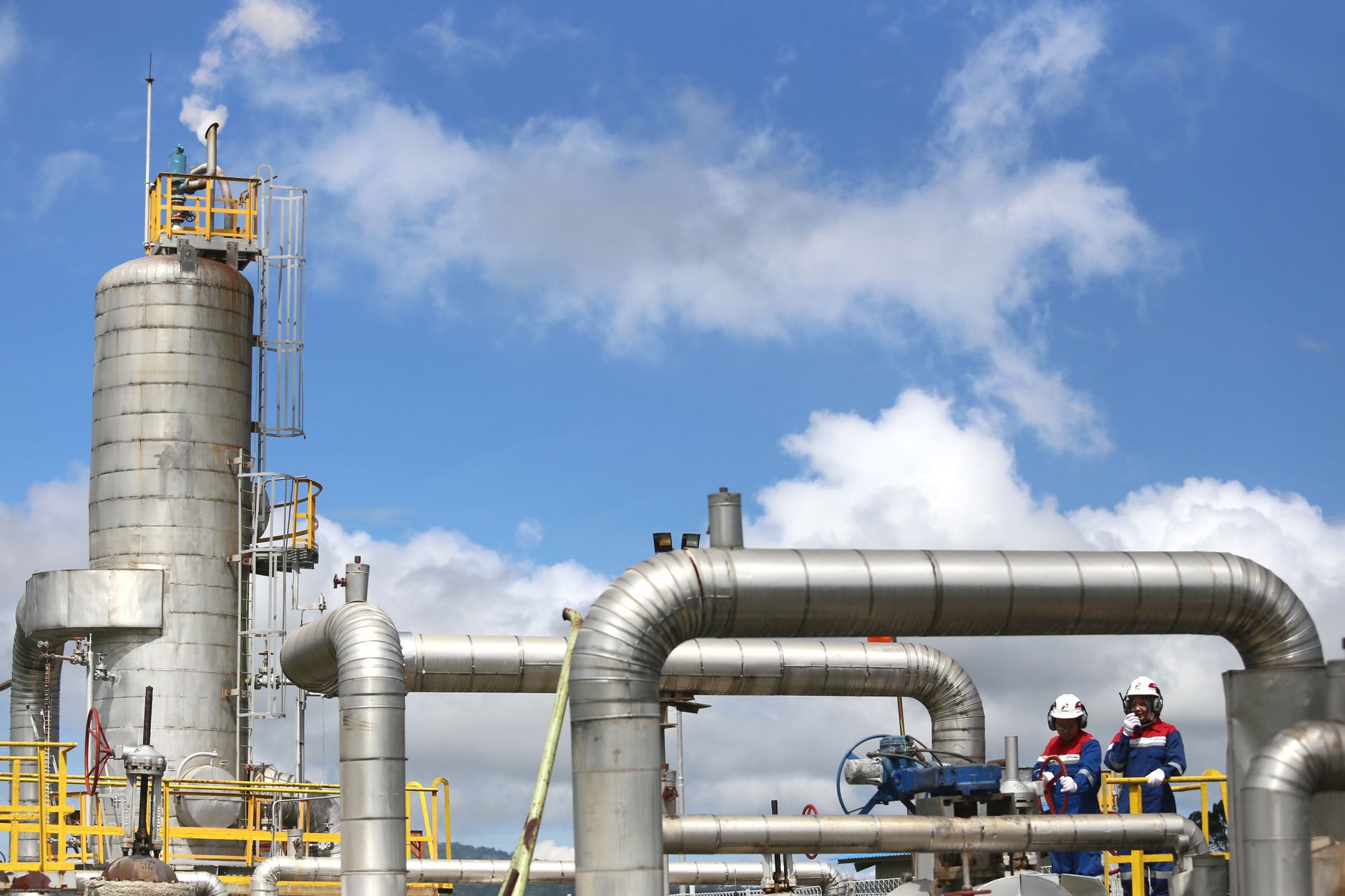
Reuters’ special report on Asia’s oil and LNG dependence notes that the region’s importers—China, India, Japan, South Korea and ASEAN states—collectively account for the bulk of Middle Eastern energy exports. The closure or partial disruption of the Strait of Hormuz amplifies the risk that even temporary outages or insurance spikes can have outsized impacts on Asian economies.
The latest conflict has already shifted markets. Reuters reports that an earlier global stock sell‑off was driven in part by fears that the Middle East war would drive an oil shock, with investors dumping chipmakers and other cyclical stocks. Saxo’s market note adds that oil continued to rise due to the closure of Hormuz, even as some other asset classes stabilised.
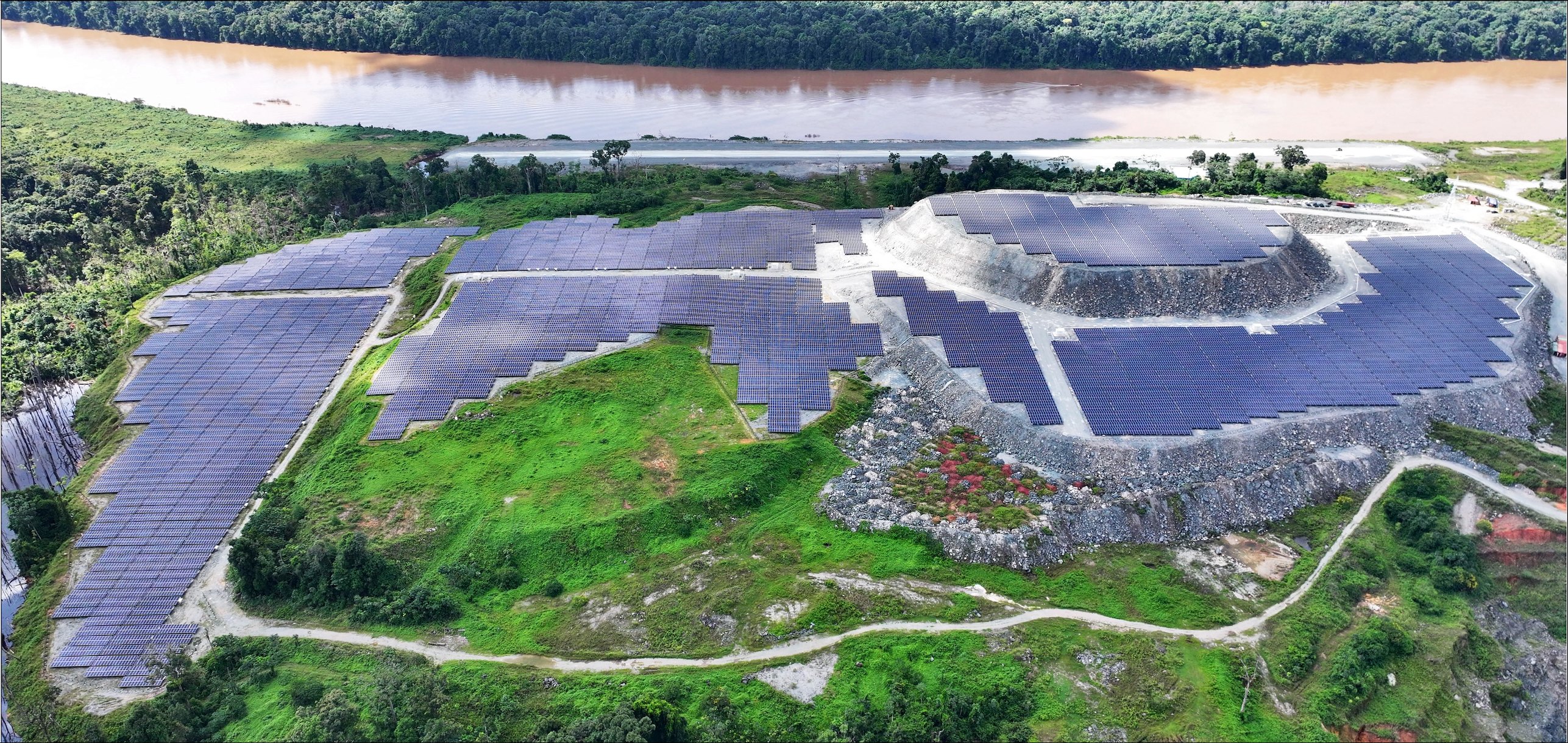
Asia’s energy‑security response is multi‑layered. Strategic stockpiles in Japan and South Korea provide a buffer, while China’s storied storage capacity gives it options in timing purchases. But repeated crises—from tanker attacks to geopolitical flare‑ups—are accelerating discussions about diversifying supply away from the Gulf and reducing overall fossil‑fuel dependence via renewables, nuclear and efficiency.
The Asian Development Bank has modelled scenarios in which a month‑long Middle Eastern conflict produces “modest but non‑negligible” growth impacts for Asia, primarily through higher energy prices and uncertainty. Policymakers now fear that a longer or more intense conflict could push those impacts into more serious territory, especially for lower‑income importers in South and Southeast Asia.
Gulf producers, for their part, are trying to reassure markets. Statements from US and Gulf officials emphasise commitments to keeping oil flowing, and Gulf regulators highlight efforts to strengthen financial stability and infrastructure resilience. But shipping realities mean that risk cannot be fully eliminated as long as conflict hotspots remain close to crucial sea lanes.
For Asia–Gulf relations, the shock is both a warning and an opportunity. It underscores the need for more diversified energy linkages—such as Gulf investment in Asian renewables and Asian investment in Gulf hydrogen, grid and storage projects—as well as more sophisticated hedging and risk‑sharing arrangements.
Over 2026, the trajectory of oil prices and Hormuz‑related risk will shape inflation, monetary policy and growth across both regions, making energy the central macro story that underpins virtually every other sectoral narrative, from banking and logistics to manufacturing and AI.

Written by
TPC Editorial Desk
The Platinum Capital editorial desk
Articles on The Platinum Capital are produced by the TPC editorial desk with the assistance of AI tools, and edited before publication. TPC Awards profiles are based on information provided in nominations and checked against public sources. Reach out at info@theplatinumcapital.com.