Philippines Agricultural Sector Modernizes Rapidly Through Technology Adoption and Government Support Programs
The Philippine agriculture sector is experiencing transformative change in 2025 as farmers rapidly adopt advanced technologies including precision farming, drones, and Internet of Things sensors. Government-backed programs are accelerating this digital transformation, positioning…
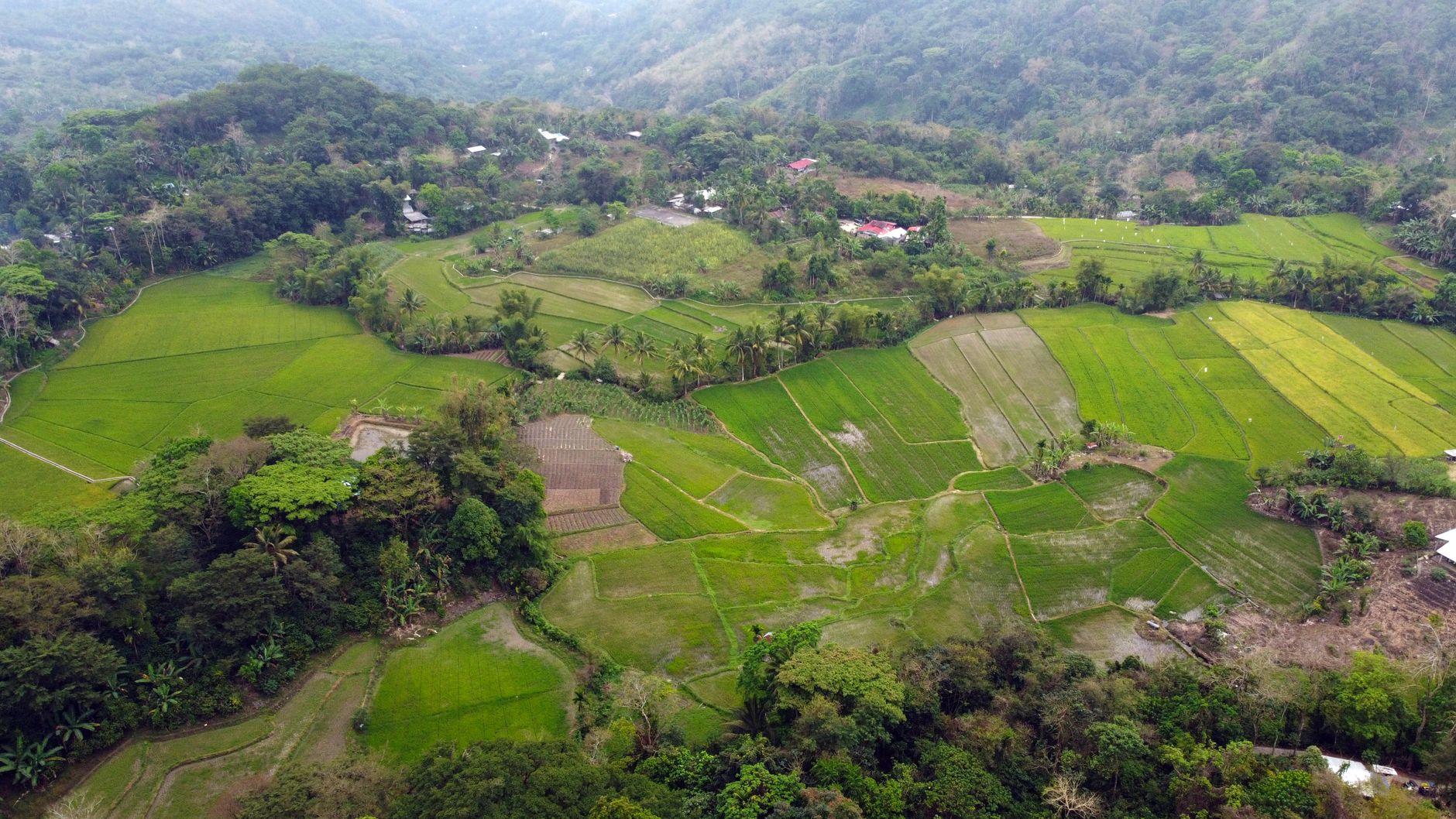
The Philippine agriculture sector is experiencing transformative change in 2025 as farmers rapidly adopt advanced technologies including precision farming, drones, and Internet of Things sensors. Government-backed programs are accelerating this digital transformation, positioning agriculture as a key driver of economic growth and food security.
The Department of Agriculture has heavily encouraged widespread adoption of agritech solutions across the archipelago. Precision farming equipment enables farmers to monitor soil health closely, track moisture levels, detect pest infestations, and react in real time to changing field conditions, significantly reducing waste and increasing efficiency.
Rice farmers across Central Luzon and the Cordillera Administrative Region have implemented drone-based surveillance and automated irrigation systems. These technologies result in higher crop productivity, more efficient water usage, and reduced vulnerability to drought—critical achievements given the Philippines' susceptibility to climate extremes as one of the world's most disaster-prone countries.
Projections indicate that agritech innovations will increase Philippine agriculture's productivity by fifteen percent in 2025 compared to previous years. This substantial improvement comes as the sector embraces technological disruption, setting the stage for enhanced food security, climate resilience, and export competitiveness.
Climate change remains the primary concern within the Philippine agriculture sector. The country frequently encounters typhoons, flooding, and prolonged droughts, ranking among the world's most disaster-prone nations. The response includes rapid and innovative adoption of climate-smart practices leading to sector-wide resilience and sustainability.
Agroforestry expansion integrates tree planting with main crops and livestock, protecting soil health, increasing biodiversity, and delivering alternative income streams. This approach helps farmers diversify revenue sources while building ecological resilience against extreme weather events that increasingly affect agricultural regions.
By 2025, projections suggest over sixty percent of Philippine farmers will be engaged in climate-smart initiatives, setting a new regional standard for agricultural resilience. These programs include distribution of climate-resilient crop varieties that can withstand extreme weather conditions through government programs and agricultural cooperatives.
The Expanded Rice Program focuses on integrating drone surveillance, remote sensing tools, and smart irrigation for greater productivity in central regions including Luzon. The program aims to modernize rice cultivation practices that have changed little over decades, bringing Philippine agriculture into alignment with global best practices.
High-value crop initiatives are instrumental in diversifying farm output beyond traditional staples. The government encourages cultivation of fruits, vegetables, and specialty crops that command premium prices in domestic and international markets, improving farmer incomes and reducing dependence on rice monoculture.
The Philippines extended the Rice Competitiveness Enhancement Fund until 2031 by amending the Rice Tariffation Law in December 2024. This extension provides long-term funding certainty for programs supporting mechanization, seed development, training, and infrastructure improvements critical to sector modernization.
The Philippine Crop Insurance Corporation was reassigned to the Department of Agriculture in May 2024, three years after moving to the Department of Finance. The PCIC provides insurance protection to farmers against losses caused by natural disasters, plant diseases, and pest infestation, with the return aimed at better integrating insurance programs responsive to small farmer needs.
The number of PCIC board seats allocated to representatives of subsistence farmers increased from one to three, ensuring that smallholder voices directly influence policy decisions. This change recognizes that small-scale farmers face distinct challenges requiring targeted support different from large commercial operations.
The National Tobacco Administration allocated one hundred million Philippine pesos as crop production subsidy to tobacco farmers for the 2024-25 crop year. As of December 2024, more than sixteen thousand farmers received cash transfers of six thousand pesos, supporting diversification away from tobacco toward more sustainable and profitable crops.
Government support for general services in agriculture amounted to almost five percent of the sector's value of production in 2022-24, nearly twice the share observed in 2000-02. This included mainly investments in infrastructure, particularly irrigation systems and farm-to-market roads, as well as agricultural knowledge and innovation system investments.
Expenditures related to public stockholding have been rising and now represent the third-largest component of government agricultural support spending, after infrastructure and agricultural knowledge systems. This reflects efforts to stabilize rice prices and ensure food security during supply disruptions.
Total support to the agricultural sector accounted for two-point-one percent of GDP in 2022-24, lower than the two-point-nine percent in 2000-02 but still among the highest levels among countries reviewed in international comparisons. The Philippines continues prioritizing agriculture despite GDP growth in other sectors.
Southeast Asia's agricultural machinery market experienced decline in 2023 due to El Niño's impact on yields, weak purchasing power from high household debt, and tighter leasing conditions. However, growth is expected over the next one to three years, driven by better weather conditions, economic recovery, and environmental regulations encouraging modern machinery adoption.
Kubota Philippines launched L3228 and L4028 tractors in 2024, built for durability, innovation, and ease of use. Key features include LED headlights, improved suspension seats, air cleaners with indicators, and enhanced operator comfort. These advancements make modern machinery more accessible to Filipino farmers.
Farm mechanization in Southeast Asia has been growing rapidly, driven by needs to increase agricultural productivity, reduce labor dependency, and enhance food security. The major driver of increased mechanization is labor shortages in rural areas as migration to urban centers depletes the agricultural workforce.
Malaysia is investing two-point-six-nine million dollars in modernizing its onion supply chain to reduce import reliance and boost self-sufficiency to thirty percent by 2030. The plan includes infrastructure upgrades, technical training, and precision farming to enhance productivity—initiatives being closely watched by Philippine agricultural planners.
Vietnam's agriculture sector plays a crucial role in the national economy, contributing significantly to GDP and employing large portions of the workforce. The country ranks as one of the largest rice exporters globally, with rice exports generating nearly four-point-eight billion dollars in 2023, demonstrating the sector's economic importance.
Thailand's agriculture sector, contributing nine percent to GDP while employing millions in rural areas, is experiencing increased adoption of smart farming practices. Government initiatives support modernization efforts, helping farmers integrate technology while maintaining traditional farming wisdom—a model the Philippines is studying for application.
Looking ahead, the leading agricultural trends in Southeast Asia include continued adoption of digital technology and precision farming, development and distribution of climate-resilient crop varieties, shifts to sustainable and regenerative practices like agroforestry, and ongoing investment in rural infrastructure and smart value chains.
Experts emphasize that while significant progress has been made, continued investment in research and development, farmer education, and infrastructure will be essential for maintaining momentum in agricultural transformation across the Philippines and Southeast Asia more broadly.

Written by
TPC Editorial Desk
The Platinum Capital editorial desk
Articles on The Platinum Capital are produced by the TPC editorial desk with the assistance of AI tools, and edited before publication. TPC Awards profiles are based on information provided in nominations and checked against public sources. Reach out at info@theplatinumcapital.com.