Qatar, UAE, and Australia Announce Major Energy Projects as Asia Shifts Toward Renewables and LNG Expansion
Energy markets across the GCC and APAC regions surged with new developments today, with major investments across liquefied natural gas (LNG), solar energy, wind power, and hydrogen projects. Qatar’s QatarEnergy announced a new LNG supply agreement with Japan, marking one of the l…

Energy markets across the GCC and APAC regions surged with new developments today, with major investments across liquefied natural gas (LNG), solar energy, wind power, and hydrogen projects.
Qatar’s QatarEnergy announced a new LNG supply agreement with Japan, marking one of the longest-term deals signed this year. Under the agreement, Qatar will supply LNG to a leading Japanese utility company for 20 years. Analysts note that Japan continues to rely heavily on LNG as it transitions away from nuclear energy.
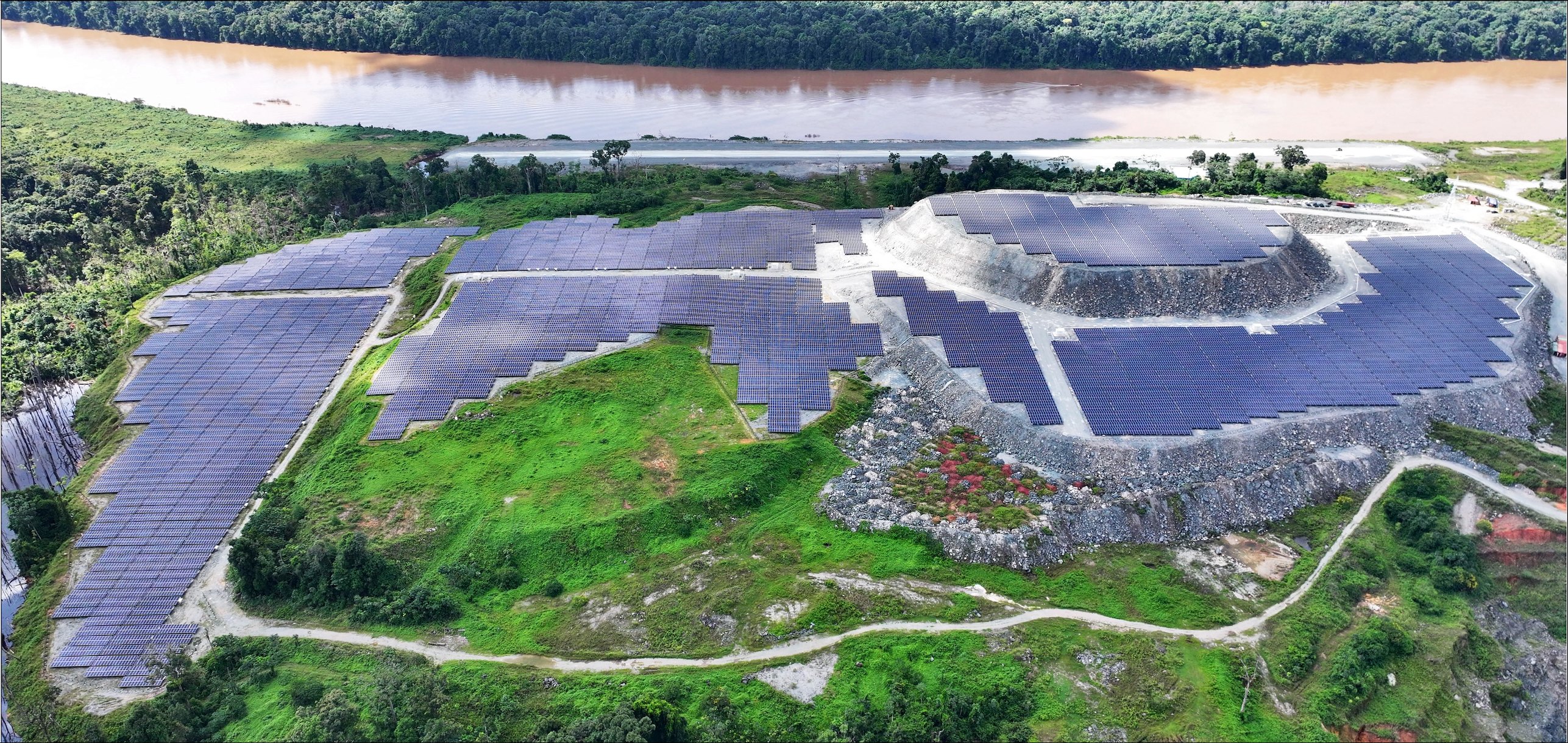
In the UAE, Masdar announced the launch of a massive solar project in Abu Dhabi, utilizing next-generation photovoltaic panels. This project is expected to generate 2 GW of clean energy, powering nearly 1 million homes. Today’s announcement reinforces the UAE’s strategic goal to become a global renewable energy leader.
Saudi Arabia also reported significant progress in its renewable energy roadmap. The Kingdom confirmed that construction has begun on its flagship wind-power project in NEOM. Once operational, this facility will be one of the world’s largest onshore wind farms.
Australia unveiled new investment incentives for hydrogen production. The Australian government is partnering with Singapore to establish a regional hydrogen distribution network capable of serving Southeast Asia’s industrial demand. This project positions Australia as a major exporter of green hydrogen.
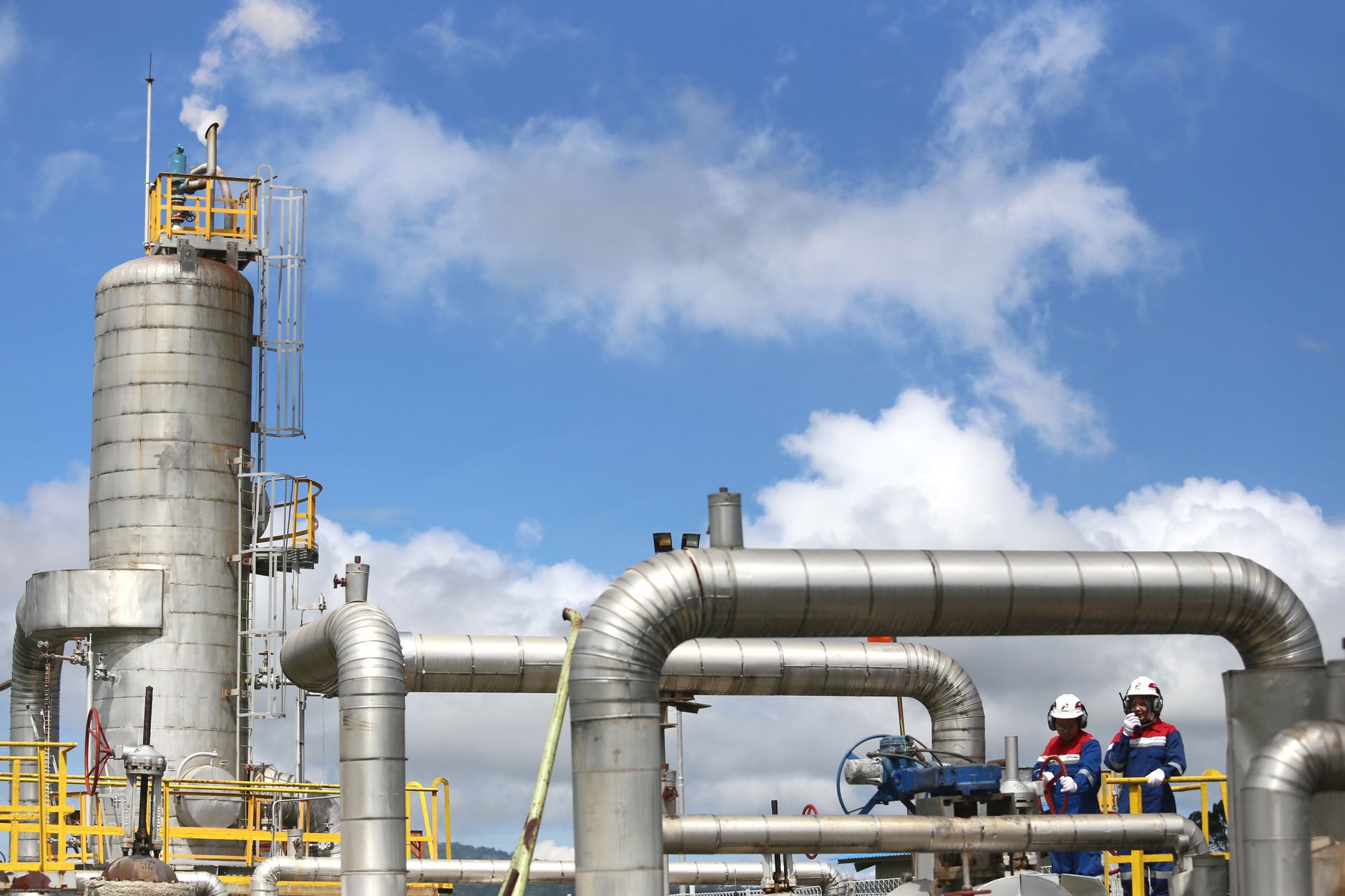
Indonesia shared updates on its geothermal energy expansion program, aiming to increase output from 2,300 MW to 5,000 MW by 2030. Indonesia holds one of the world’s largest geothermal reserves, and today’s announcement included three new power plants.
Malaysia and the Philippines also reported new energy sector advancements, with Malaysia focusing on floating solar systems and the Philippines expanding offshore wind feasibility studies.
Today’s updates indicate a continued shift toward renewables, low-carbon fuels, and long-term energy security. GCC and APAC countries are accelerating investments in clean technologies while securing essential LNG supplies to stabilize their energy mix.

Written by
TPC Editorial Desk
The Platinum Capital editorial desk
Articles on The Platinum Capital are produced by the TPC editorial desk with the assistance of AI tools, and edited before publication. TPC Awards profiles are based on information provided in nominations and checked against public sources. Reach out at info@theplatinumcapital.com.