Qatar's Infrastructure Sector Set for Accelerated Growth with $41.3 Billion Market by 2030
DOHA – Qatar's infrastructure construction market is poised for substantial expansion, projected to climb from $33.40 billion in 2025 to $41.30 billion by 2030, reflecting a compound annual growth rate of 4.30 percent, according to research by Mordor Intelligence. The growth traj…
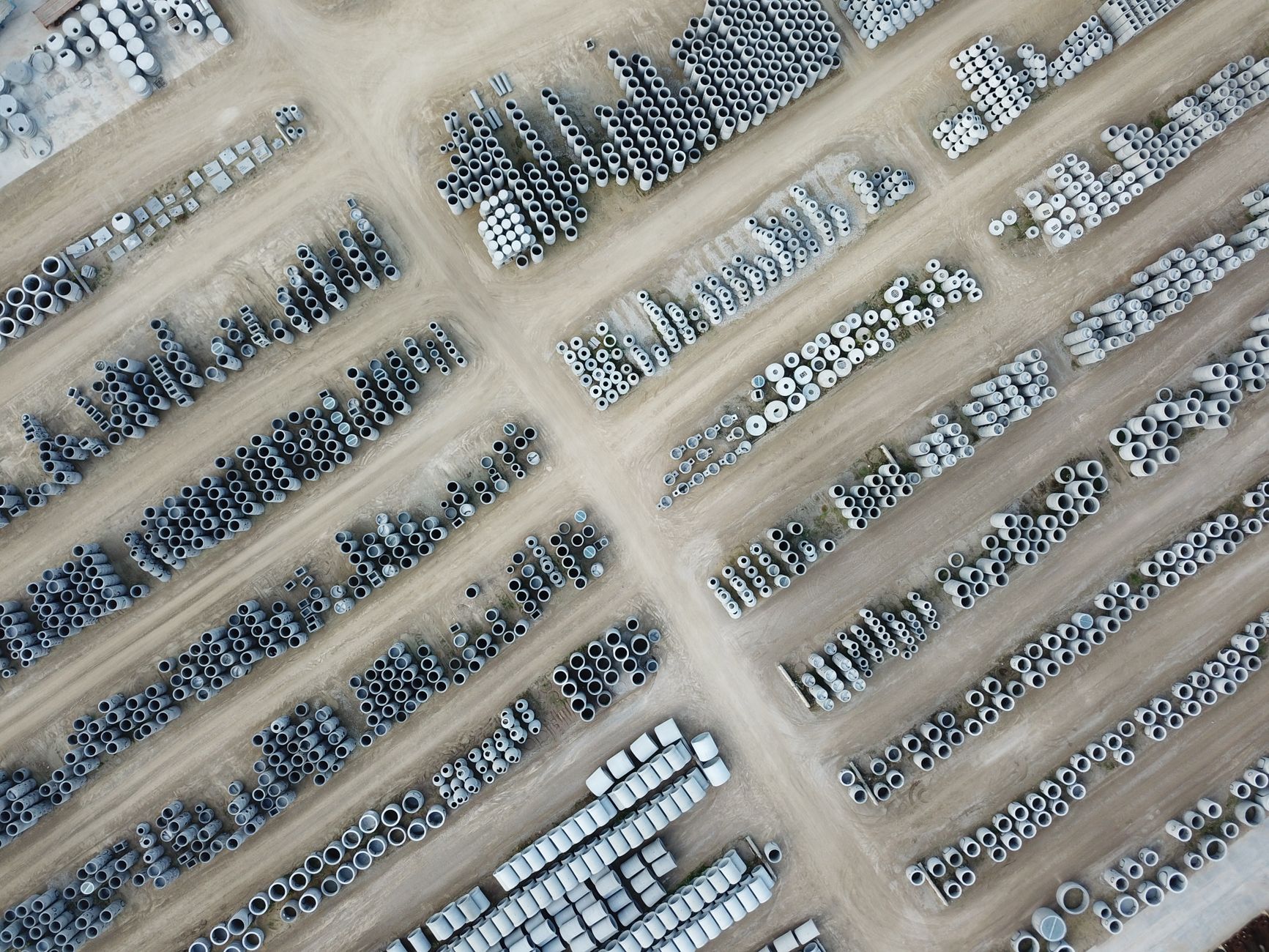
DOHA – Qatar's infrastructure construction market is poised for substantial expansion, projected to climb from $33.40 billion in 2025 to $41.30 billion by 2030, reflecting a compound annual growth rate of 4.30 percent, according to research by Mordor Intelligence. The growth trajectory is closely linked to the nation's Third National Development Strategy and ambitious economic diversification initiatives.
The Public Works Authority has announced a $22.2 billion five-year capital plan, underscoring the government's commitment to transforming the country's physical infrastructure. This substantial investment program encompasses transportation networks, energy facilities, telecommunications systems and urban development projects designed to support Qatar's evolving economic landscape.
Digital infrastructure has emerged as a particular strength, with Qatar achieving median 5G download speeds exceeding 520 megabits per second, positioning the nation among global leaders in connectivity. This technological foundation supports the country's ambitions to become a smart nation while attracting international businesses seeking advanced telecommunications capabilities.
The energy sector continues to play a central role in Qatar's infrastructure development. Arab electricity and renewable energy sectors attracted 360 foreign direct investment projects worth over $351 billion and provided more than 83,000 jobs from January 2003 to December 2024, according to the Arab Investment and Export Credit Guarantee Corporation. Qatar ranks among the most attractive countries for investment in the electricity and energy sector, alongside the UAE, Saudi Arabia, Kuwait and Oman.
Electricity generation in Arab countries, including Qatar, is forecast to surge by 4.2 percent to exceed 1,500 terawatt-hours by the end of 2025, with projections indicating further growth to 1,754 terawatt-hours by 2030. Qatar's strategic positioning in regional energy markets continues to strengthen as demand for reliable power generation increases.
QatarEnergy has been actively expanding its international footprint, recently acquiring a 27 percent stake in Shell's share of Egypt's offshore North Cleopatra block. This acquisition forms part of a long-term strategy to redraw the map of regional influence beyond traditional political channels, investing directly in critical energy assets across strategic locations.
The company awarded a major engineering, procurement and construction contract to Samsung C&T for one of the world's largest carbon capture projects, demonstrating commitment to environmental sustainability alongside energy development. These initiatives position Qatar as a leader in clean energy technology while maintaining its position as a major natural gas exporter.
Infrastructure development extends beyond energy and telecommunications. Qatar's transportation networks are undergoing significant expansion, with new road systems, metro extensions and port facilities designed to support growing trade volumes and tourism. The country's strategic location between East and West continues to enhance its role as a regional logistics hub.
The construction sector faces both opportunities and challenges. Rising material costs, labor market dynamics and the need for advanced technical expertise require careful management. However, Qatar's strong fiscal position, supported by hydrocarbon revenues and sovereign wealth fund investments, provides substantial resources to sustain major infrastructure programs.
Regional cooperation frameworks are also evolving. Qatar's participation in Gulf Cooperation Council initiatives facilitates infrastructure connectivity across borders, enhancing trade flows and economic integration. The country's infrastructure investments align with broader regional development goals while maintaining focus on national economic diversification objectives.
Tourism infrastructure represents another growth area. Qatar welcomed substantial visitor numbers following major international events, and the government continues investing in hospitality facilities, entertainment venues and cultural institutions. These developments aim to establish Qatar as a year-round destination while reducing economic dependence on hydrocarbon exports.
As Qatar progresses toward its 2030 development goals, infrastructure investments will remain central to economic transformation efforts. The combination of government capital expenditure, private sector participation and foreign direct investment is expected to sustain robust growth rates across multiple infrastructure segments. Success will depend on effective project execution, technological innovation and continued alignment between infrastructure development and broader economic diversification strategies.

Written by
TPC Editorial Desk
The Platinum Capital editorial desk
Articles on The Platinum Capital are produced by the TPC editorial desk with the assistance of AI tools, and edited before publication. TPC Awards profiles are based on information provided in nominations and checked against public sources. Reach out at info@theplatinumcapital.com.