

Qatar's Katara Hospitality Signs Joint Venture With Japan's Okura Hotels for Luxury Resort on Lusail Waterfront
Doha, Qatar – In a prestigious partnership that bridges Middle Eastern capital with legendary Japanese hospitality excellence, Katara Hospitality, Qatar's leading hotel owner, developer and operator, has announced a landmark joint venture agreement with Okura Hotels & Resorts, on…
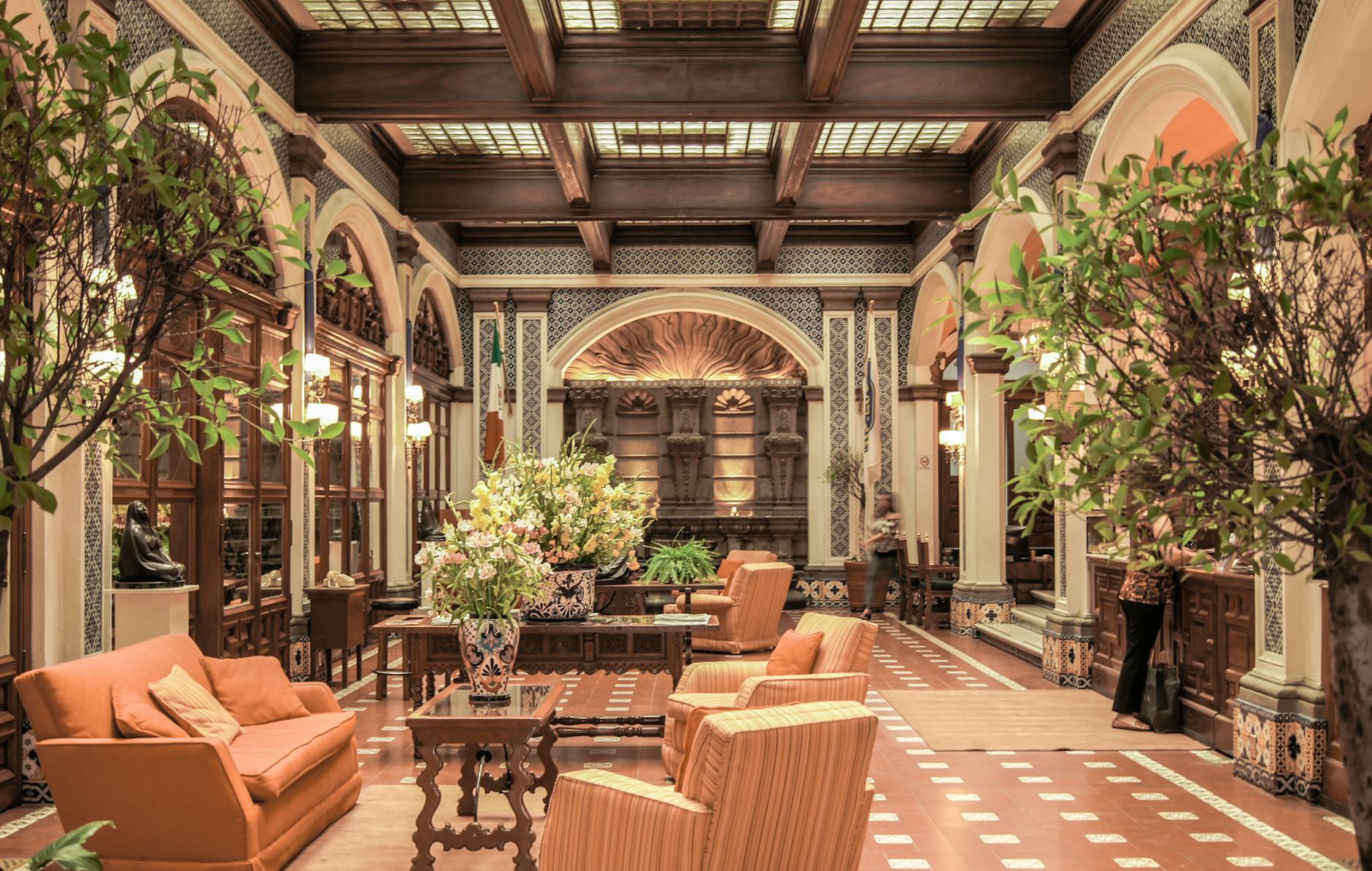
Doha, Qatar – In a prestigious partnership that bridges Middle Eastern capital with legendary Japanese hospitality excellence, Katara Hospitality, Qatar's leading hotel owner, developer and operator, has announced a landmark joint venture agreement with Okura Hotels & Resorts, one of Japan's most celebrated luxury hospitality brands, to develop a spectacular $780 million ultra-luxury resort complex on Doha's prestigious Lusail Waterfront. The ambitious development is being designed to become one of the Gulf Cooperation Council region's most architecturally distinctive and culturally significant hospitality landmarks, representing a sophisticated fusion of Japanese design philosophy and Qatari cultural heritage.
The comprehensive mixed-use resort development will feature a flagship 220-room Okura-branded luxury hotel showcasing the brand's renowned omotenashi hospitality philosophy, which emphasizes anticipatory service and meticulous attention to detail. Complementing the hotel component, the project will include 80 exclusive private branded residences that will offer ownership opportunities for ultra-high-net-worth individuals seeking permanent or seasonal residences with integrated five-star hotel services. These branded residences represent a growing trend in Gulf luxury real estate where discerning buyers seek properties affiliated with prestigious international hotel brands that provide property management, concierge services, and guaranteed rental income programs.
A centerpiece of the resort's amenity offerings will be an ambitious Michelin-starred Japanese dining complex featuring multiple restaurant concepts helmed by acclaimed chefs from Japan's sophisticated culinary scene. The dining precinct is planned to include an exclusive kaiseki restaurant offering traditional multi-course Japanese haute cuisine, a premium sushi counter showcasing seasonal ingredients flown daily from Tokyo's Tsukiji outer market, a contemporary izakaya concept, and a sake and whisky bar featuring rare Japanese spirits. This culinary programming responds to the sophisticated palates of Gulf-based expatriates and the region's growing appreciation for authentic Japanese gastronomy beyond the ubiquitous sushi restaurants that have proliferated across major Middle Eastern cities.
The resort's wellness and recreation facilities will anchor around a stunning oceanfront wellness retreat incorporating traditional Japanese onsen bathing concepts adapted for the Gulf climate, alongside cutting-edge spa treatments, meditation gardens inspired by Zen Buddhist temple grounds, and fitness facilities featuring the latest recovery and performance optimization technologies. The wellness programming will blend Japanese wellness traditions including forest bathing principles, mindfulness practices, and seasonal healing treatments with contemporary luxury spa expectations.
Architecturally, the development represents an ambitious effort to harmonize Japanese design principles—including concepts of ma (negative space), wabi-sabi (beauty in imperfection), and integration with natural surroundings—with Qatari cultural design elements such as traditional Islamic geometric patterns, mashrabiya screens for climate-responsive shading, and interior courtyard configurations that reference traditional Gulf architecture. The design team includes internationally recognized architects from both Japan and the Middle East working collaboratively to ensure the resort achieves cultural authenticity while meeting contemporary luxury hospitality standards.
According to Katara Hospitality executives, the strategic rationale for the partnership centers on capturing rising demand from Japanese, South Korean, and broader Southeast Asian tourist segments, whose numbers visiting Qatar have increased dramatically following the expansion of air connectivity through Qatar Airways' extensive Asian route network and the introduction of visa-free entry policies for citizens of numerous Asian countries. Qatar Tourism statistics indicate that Asian visitor arrivals have grown by over 180 percent since 2019, with particularly strong growth from Japan, South Korea, Thailand, and Indonesia. These travelers typically demonstrate higher spending patterns than other tourist segments and longer average stays, making them highly attractive target demographics for luxury hospitality operators.
Beyond leisure tourism, the Lusail location positions the resort strategically to capture corporate and MICE (meetings, incentives, conferences, and exhibitions) business. Lusail has emerged as Qatar's primary business district and is home to major corporate headquarters, the Lusail International Circuit motorsports facility, and extensive conference and exhibition infrastructure developed for the FIFA World Cup. Business travelers attending conferences, sporting events, and corporate meetings in Lusail represent a year-round demand source that complements seasonal leisure tourism patterns.
For Okura Hotels & Resorts, the Qatar project marks the brand's debut entry into the GCC markets, representing a significant milestone in the company's international expansion strategy. Japanese hospitality brands have been accelerating global expansion efforts as the persistently weak Japanese yen makes outbound investment more financially attractive and as domestic demographic challenges limit growth opportunities in Japan's aging and shrinking population. Okura joins other prestigious Japanese hospitality brands including Aman, Hoshinoya, and Mandarin Oriental (Hong Kong-based but Japanese-managed) in targeting high-growth markets across Asia, the Middle East, and selective Western destinations.
Financial analysts following the hospitality sector note that partnerships between Gulf sovereign capital and established international hospitality operators have become increasingly common as regional governments diversify economies beyond hydrocarbons and develop tourism sectors. These arrangements typically provide Gulf investors with operational expertise and brand recognition while offering international hotel companies capital-light expansion opportunities and entry into high-spending markets.
Construction on the Lusail Waterfront resort is scheduled to commence in late 2026, with project completion and grand opening anticipated for 2029. The development will further strengthen Lusail's positioning as Qatar's premier luxury lifestyle destination, building upon the massive infrastructure investments undertaken for the FIFA World Cup that transformed the previously undeveloped coastal area into a master-planned city featuring residential towers, commercial districts, entertainment venues, and waterfront promenades designed to rival established Gulf luxury destinations including Dubai Marina and Abu Dhabi's Saadiyat Island.

Written by
TPC Editorial Desk
The Platinum Capital editorial desk
Articles on The Platinum Capital are produced by the TPC editorial desk with the assistance of AI tools, and edited before publication. TPC Awards profiles are based on information provided in nominations and checked against public sources. Reach out at info@theplatinumcapital.com.


