Qatar’s LNG Shock Makes Asia Rethink Supply Resilience
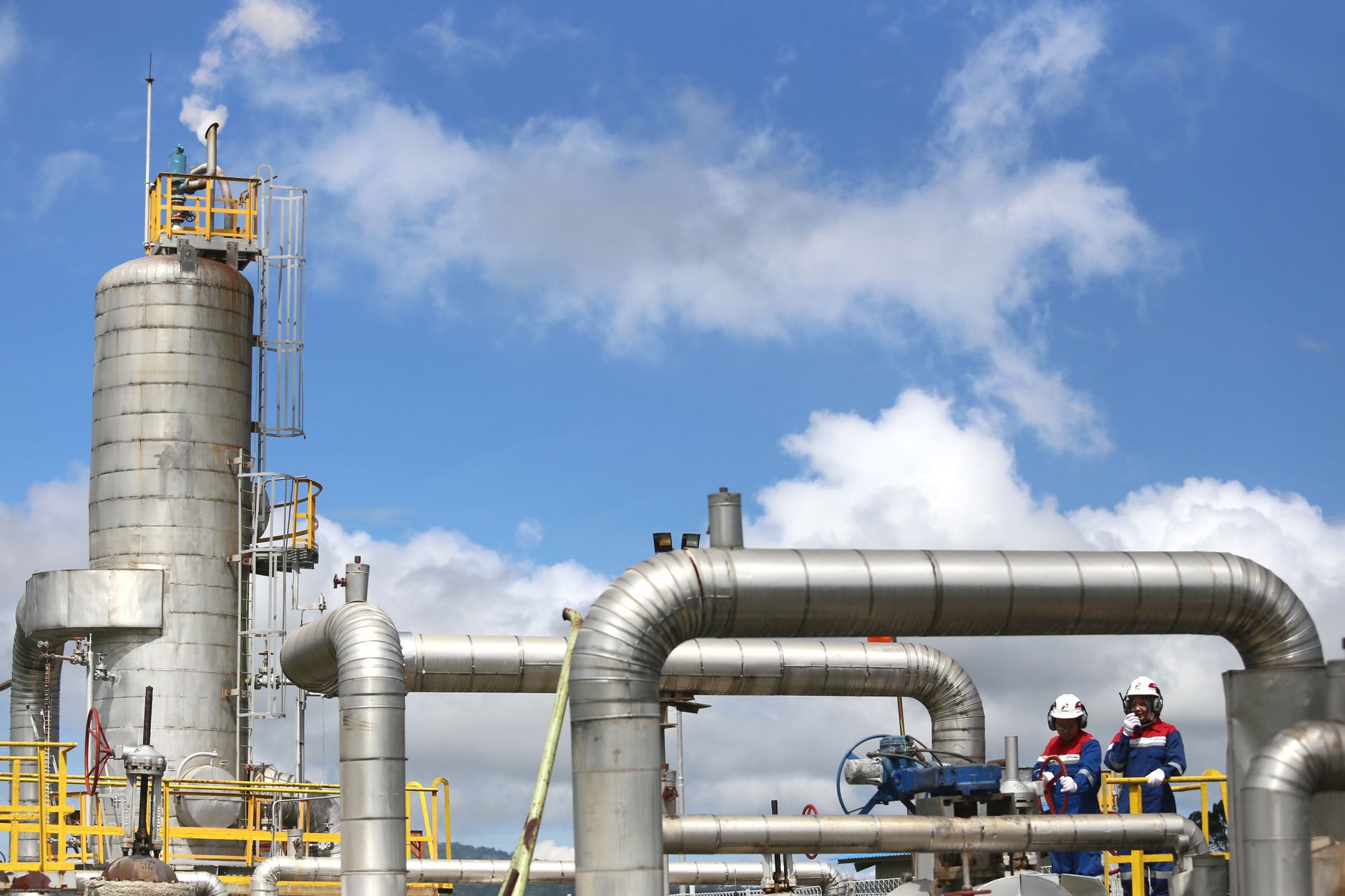
The energy story of 22 February is not just about price volatility; it is about supply resilience, especially in Qatar, where the region’s worst financial hit could be magnified by damage to LNG capacity and bank deposits if conflict deepens. Reuters later reported that Qatar’s G…
The energy story of 22 February is not just about price volatility; it is about supply resilience, especially in Qatar, where the region’s worst financial hit could be magnified by damage to LNG capacity and bank deposits if conflict deepens.
Reuters later reported that Qatar’s GDP could sink 13% in a severe scenario and that 17% of LNG capacity had already been taken out in the worst-case outlook discussed by analysts. Even before that scenario materialized, the market had begun to price the possibility of major disruption to Middle East gas supply and shipping.
That is crucial for Asia because Qatar remains one of the world’s most important LNG suppliers to Japan, South Korea, China, India and Southeast Asia. If Qatar’s exports are threatened, the immediate result is not only a price spike but a scramble by importers to secure replacement cargoes, reroute supply chains and tap reserves.
The consequences go beyond gas contracts. Energy stress can trigger banking stress, inflation stress and industrial stress at the same time. For countries like Japan and South Korea, which depend heavily on imported energy, a Qatar disruption would compound existing concerns over oil prices and AI-driven power demand.
For the Gulf, the current episode reinforces a broader strategic lesson: energy security is now inseparable from finance, logistics and diplomacy. Producing more gas is no longer enough; the region must also prove it can deliver it reliably under pressure. That means stronger redundancy, better defense of critical infrastructure and more flexible commercial arrangements with Asian buyers.
At the same time, higher energy risk may accelerate longer-term diversification in Asia. Countries are likely to push harder on renewables, efficiency, nuclear and supply diversification if repeated shocks make imported fossil fuels less predictable. In that sense, the Qatar LNG issue could end up accelerating the energy transition even as it exposes how dependent Asia still is on Gulf supply.

Written by
TPC Editorial Desk
The Platinum Capital editorial desk
Articles on The Platinum Capital are produced by the TPC editorial desk with the assistance of AI tools, and edited before publication. TPC Awards profiles are based on information provided in nominations and checked against public sources. Reach out at info@theplatinumcapital.com.