
Rate-Cut Hopes and Property Plays Lift Gulf and ASEAN Markets as Investors Hunt Yield
Equity investors across the Gulf and parts of ASEAN are rotating back into rate‑sensitive sectors such as real estate and banking as expectations solidify that the US Federal Reserve will begin cutting interest rates in the coming days. Benchmarks in Dubai and Abu Dhabi have rall…
Equity investors across the Gulf and parts of ASEAN are rotating back into rate‑sensitive sectors such as real estate and banking as expectations solidify that the US Federal Reserve will begin cutting interest rates in the coming days. Benchmarks in Dubai and Abu Dhabi have rallied over the past week, while Egypt’s EGX30 has touched record levels on the back of improving economic data and renewed foreign inflows.
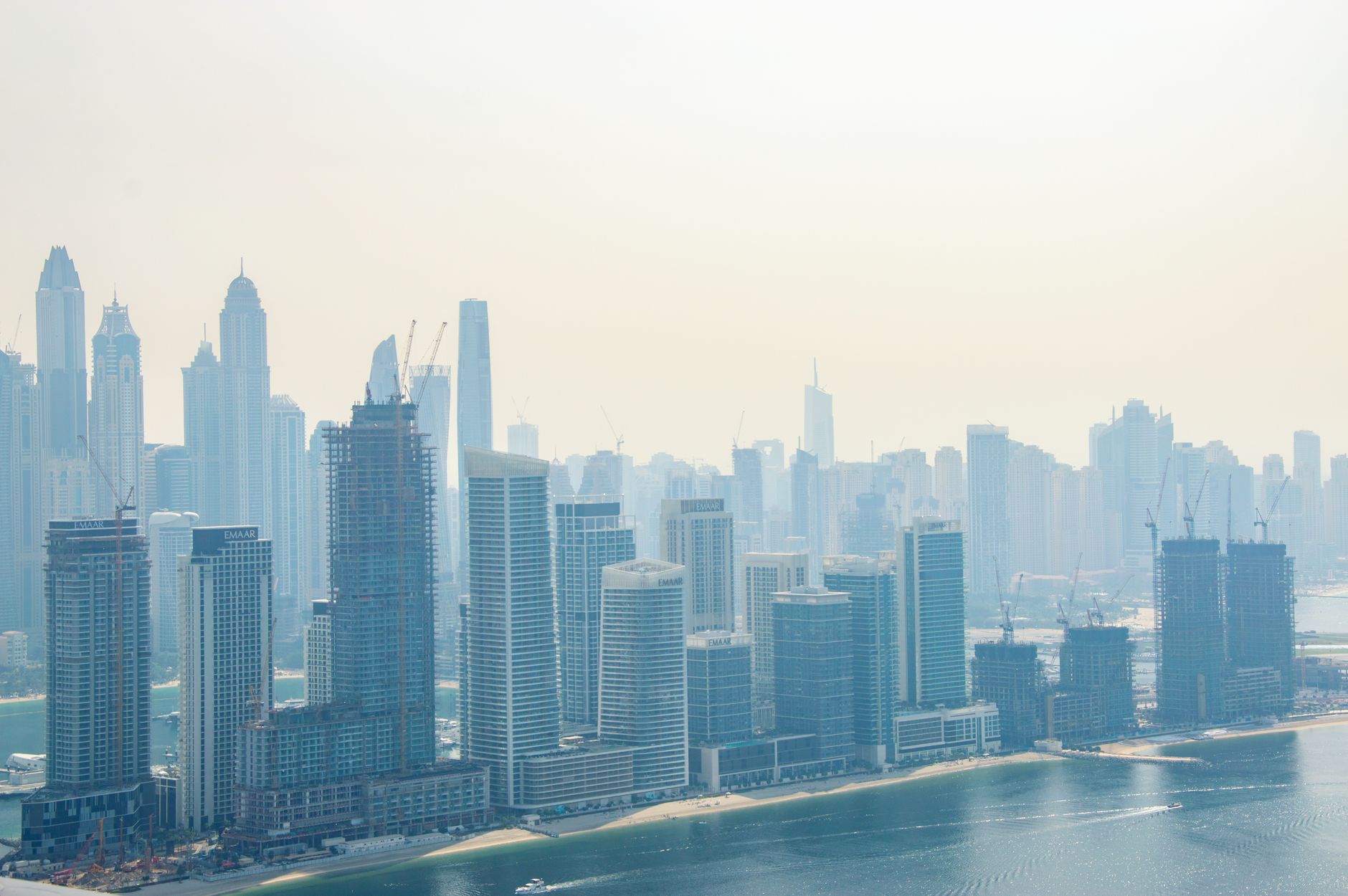
In the UAE, Dubai’s main index notched its fourth consecutive gain on Friday, closing up 0.9 percent, with real estate and banking names leading advances. Blue‑chip developer Emaar and its construction affiliate both posted strong daily gains, benefiting from an outlook of lower funding costs and sustained demand for residential and mixed‑use projects. Analysts say the market is betting that any easing cycle by the Fed will be mirrored by Gulf central banks that peg their currencies to the US dollar, reducing pressure on mortgage rates and corporate borrowing.
Abu Dhabi’s benchmark has also climbed, rising 0.4 percent in the latest session as property group Aldar and logistics and energy‑linked firms outperformed. Aldar’s shares rose around 2.5 percent after the company announced the creation of Aldar Capital, a new platform meant to connect global institutional investors with large‑scale real estate and infrastructure opportunities across the UAE and the wider GCC. The first fund under the platform, expected to debut in 2026, aims to raise about 1 billion dollars, signalling continued confidence in Gulf property and urban‑development pipelines.
Across the region, stock markets have been buoyed by a modest rebound in oil prices and the prospect of looser global financial conditions. On December 3, most Gulf bourses ended in positive territory as crude benchmarks rose more than 1 percent, supported in part by geopolitical tensions that kept supply risks in focus. More recently, Gulf indices have extended gains as traders assign a high probability to a quarter‑point US rate cut, with derivatives markets implying that a steady decision would now be a major surprise.
Egypt stands out among non‑Gulf markets, with Cairo’s EGX30 index reaching an all‑time high after gaining about 1.8 percent in a single session, according to recent data. A business survey showed that the country’s non‑oil private sector expanded at its fastest pace in five years in November, driven by a surge in new orders and output. Investors interpret the numbers as evidence that Egypt’s reform efforts and recent financial support packages are beginning to translate into real‑economy momentum, particularly in manufacturing, services and construction.
In Southeast Asia, property markets are also drawing renewed interest as tourism and infrastructure spending underpin demand. In Thailand, sector analysts see a constructive backdrop for 2025, with the real estate market supported by recovering visitor arrivals, new transport links and regulatory steps to encourage foreign investment in selected segments. Reports point to opportunities in high‑end condominiums in Bangkok, resort‑oriented developments in destinations such as Phuket, and logistics facilities tied to e‑commerce growth. While higher interest rates over the past two years have weighed on some borrowers, a shift toward easier monetary policy would ease that pressure and potentially unlock new project launches.
The broader ASEAN region is simultaneously ramping up infrastructure financing, which often moves in tandem with real estate and capital‑markets activity. The ASEAN Infrastructure Fund’s 2025–2028 action plan, endorsed by finance ministers and central bank governors, aims to expand the fund’s lending capacity and introduce more innovative financing tools to support sustainable transport, energy and urban projects. The fund has already committed more than 500 million dollars to 15 projects across six member states and plans to increase collaboration with multilateral development banks to crowd in private capital.
For investors, the combination of falling global yields and rising infrastructure pipelines could create a favourable environment for both equity and debt issuance linked to property and public‑works assets in the Gulf and ASEAN. Bankers expect more real estate investment trusts, green bonds and project‑finance structures to reach the market as sponsors take advantage of lower borrowing costs. At the same time, regulators are keeping a close eye on leverage levels and speculative activity, mindful of past cycles in which easy money led to overheating in certain property segments.
Despite the upbeat tone, risks remain. A delay or smaller‑than‑expected rate cut by the Federal Reserve could trigger volatility in global markets and reverse some of the recent flows into emerging‑market assets. Gulf equities also remain sensitive to swings in oil prices, which can quickly affect fiscal space and investor sentiment. In ASEAN, property markets must navigate structural issues such as household debt in Thailand and affordability constraints in major cities. Still, for now, investors appear willing to lean into the recovery story, particularly in markets where real asset plays are backed by strong tourism, demographics and state‑led infrastructure programs.

Written by
TPC Editorial Desk
The Platinum Capital editorial desk
Articles on The Platinum Capital are produced by the TPC editorial desk with the assistance of AI tools, and edited before publication. TPC Awards profiles are based on information provided in nominations and checked against public sources. Reach out at info@theplatinumcapital.com.