Santa Rally Meets Silicon: Asia Stocks Ride AI and “Goldilocks” Hopes Into Year-End
Asian equities are entering the final trading stretch of 2025 with momentum on their side, lifted by renewed optimism around artificial‑intelligence leaders, a benign inflation backdrop and what some strategists are calling a “goldilocks” global macro mix. Yet beneath the surface…
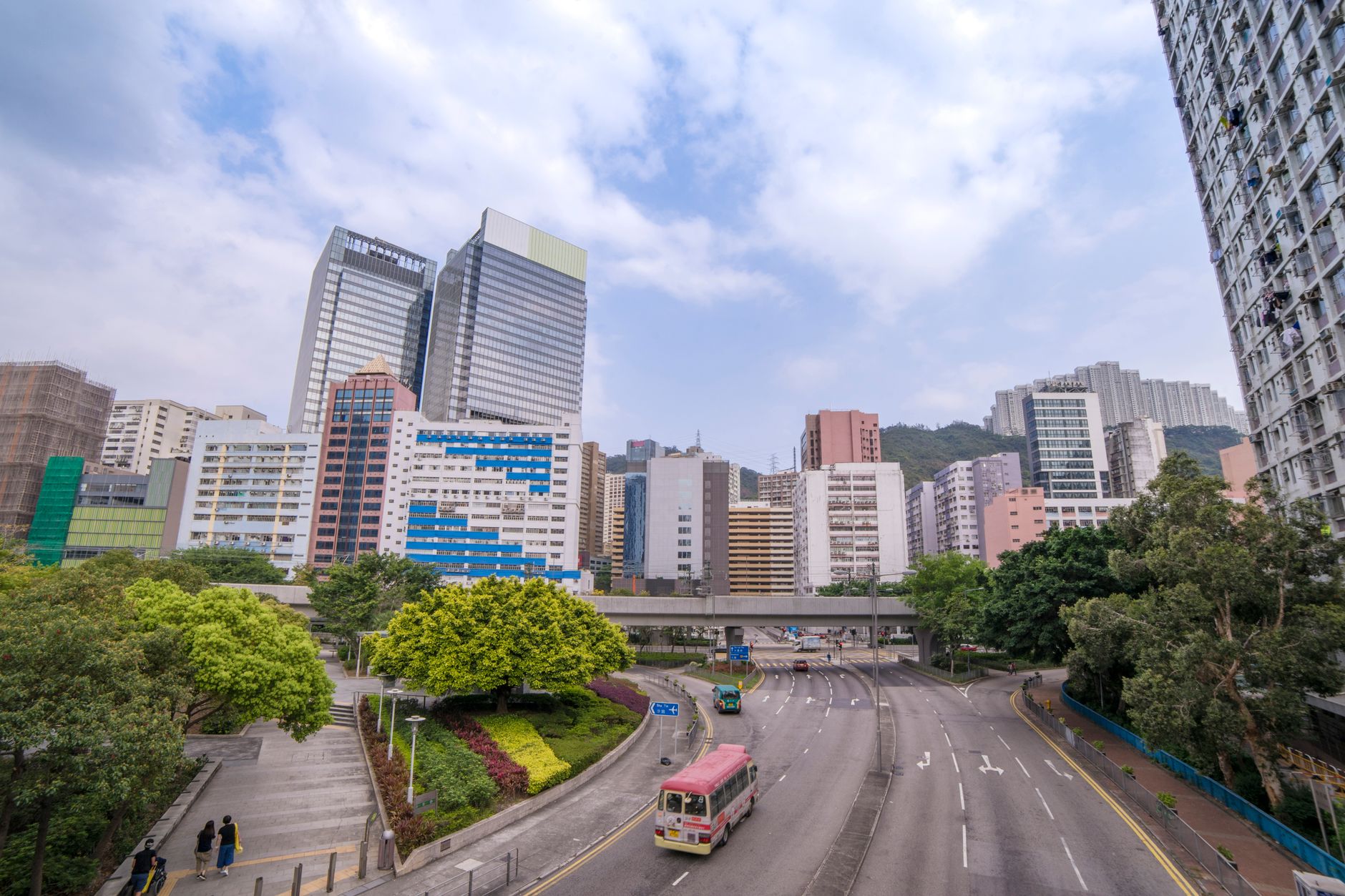
Asian equities are entering the final trading stretch of 2025 with momentum on their side, lifted by renewed optimism around artificial‑intelligence leaders, a benign inflation backdrop and what some strategists are calling a “goldilocks” global macro mix. Yet beneath the surface of rising indices and festive‑season rallies, investors are grappling with questions about concentration risk, central‑bank paths and how long AI enthusiasm can keep outrunning earnings.
On Monday, Asia‑Pacific markets climbed after Wall Street’s major indexes extended gains on the back of an AI‑driven tech bid. Nvidia shares rose more than 1 percent overnight, helping the Nasdaq Composite, S&P 500 and Dow Jones all close higher for a third straight session. That positive lead carried into the region: Australia’s S&P/ASX 200 added about 0.9 percent, Japan’s Nikkei 225 jumped 1.8 percent to around 50,400, and the broader Topix index gained 0.64 percent. In Greater China, Hong Kong’s Hang Seng index advanced 0.55 percent, while the onshore CSI 300 climbed nearly 1 percent.
By Tuesday’s open, the tone remained constructive. A separate update showed Asia‑Pacific markets “mostly climbing” as traders digested the AI trade’s resilience and awaited Singapore’s latest inflation print. The ASX 200 edged toward a fourth consecutive day of gains, and benchmarks in Tokyo, Seoul and Sydney all traded modestly higher. Futures for Hong Kong’s Hang Seng pointed to further upside, reflecting improved sentiment toward Chinese tech and consumer names after a difficult first half of the year.
Globally, 2025 has been a blockbuster year for risk assets. A Reuters “Markets in 2025” wrap notes that world equities have added roughly 14 trillion dollars in market capitalization, with a benchmark global stocks index hitting repeated record highs. Gold posted its biggest annual gain in years as investors hedged against geopolitical risk and lingering inflation, while the dollar, once dominant, faced a wave of “dollar bear” positioning as markets priced in the Federal Reserve’s pivot from tightening to cutting. In Asia, MSCI’s Asia‑Pacific gauge has risen about 43 percent year‑to‑date, powered disproportionately by technology and AI‑linked stocks.
This environment has created fertile ground for what market lore calls a “Santa rally”—a late‑December push fueled by momentum buying, window dressing and positive seasonality. Chris Larkin of E*Trade from Morgan Stanley told clients that “if a Santa Claus rally does kick in this year, St Nick’s gift bag will likely need to be full of positive tech sentiment,” underscoring how central AI and semiconductor plays have become to the 2025 equity narrative. From Taiwanese chip foundries to Korean memory makers and US cloud giants, AI infrastructure has been the cycle’s defining theme.
The macro backdrop helps explain why the rally has legs. The People’s Bank of China on Monday left its one‑year and five‑year loan prime rates unchanged at 3 percent and 3.5 percent respectively—the seventh straight meeting without a change—signaling a desire for stability as policymakers focus on targeted support for key sectors rather than blanket stimulus. Inflation data in the US, euro area and several Asian economies have cooled enough to allow central banks to step back from aggressive tightening, without yet triggering fears of outright recession. For equity markets, this “not too hot, not too cold” configuration has been close to ideal.
Still, not all is calm. Recent weeks have seen bouts of volatility whenever AI leaders wobble or macro data surprise. Earlier in the quarter, Asian equities suffered more than 10 billion dollars of foreign outflows in a single month as the AI trade stalled and investors booked profits. Japan’s monetary‑policy normalization—in the form of its first rate hike in 16 years—introduced a new source of uncertainty for carry trades and currency dynamics, even as the yen ultimately weakened on expectations that further BOJ tightening will be gradual. In currency markets, authorities remain on “intervention watch” as yen moves and dollar softness interact with local inflation and export competitiveness concerns.
Within Asia, leadership has been uneven. Japan and Korea, with their deep tech and industrial bases, have been primary beneficiaries of the AI hardware boom, while India has attracted sustained inflows on the back of strong GDP growth, policy reforms and expanding tech and financial services sectors. Southeast Asian markets have lagged somewhat, though select names tied to electronics, data centers and logistics have outperformed. Hong Kong and mainland China, after a bruising stretch marked by property stress and regulatory overhangs, have seen selective bargain hunting but remain sensitive to policy headlines and corporate‑governance perceptions.
For portfolio managers, the central question is rotation. Many are debating whether to take some chips off the AI table—where valuations are rich and positioning crowded—and rotate into “Asian growth leaders” with strong insider stakes in sectors such as industrial automation, software and specialized hardware. A recent screen highlights companies across Japan, Korea, Taiwan and India where top management and founding families retain sizable ownership, aligning incentives for long‑term value creation. In a year when macro has been kinder than expected, governance and balance‑sheet strength are becoming key selection criteria for 2026.
Fixed‑income and precious‑metals markets are also shaping cross‑asset decisions. Asian shares climbed alongside gold on Tuesday, as investors extended momentum trades ahead of year‑end while keeping one eye on potential volatility from thin holiday liquidity. The drop in US and global yields has revived interest in Asian local‑currency bonds and regional credit funds, including new products like M&G’s Asian bond fund launched in Hong Kong through Guotai Junan. For multi‑asset allocators, the choice is no longer simply “equities or cash,” but how to balance AI‑linked equity exposure with duration, credit risk and real‑asset hedges.
Heading into the final sessions of 2025, most strategists agree that Asia’s rally is better underpinned than in some past cycles: earnings revisions have turned more positive, AI‑capex pipelines are still expanding, and monetary policy is moving from headwind to gentle tailwind. But they also caution that a lot of good news is now in the price. Any disappointment on tech earnings, a sharper‑than‑expected slowdown in the US or China, or a policy misstep—from central banks or regulators—could turn the goldilocks narrative into something less comfortable.
For now, though, the combination of AI enthusiasm, cooler inflation and seasonal cheer is giving Asia‑Pacific markets exactly what they crave: time. Time for earnings to catch up with valuations, for policymakers to fine‑tune soft‑landing efforts, and for investors to reassess whether 2025’s rally has been the start of a durable new phase or a sugar‑high that needs to be carefully managed in 2026.

Written by
TPC Editorial Desk
The Platinum Capital editorial desk
Articles on The Platinum Capital are produced by the TPC editorial desk with the assistance of AI tools, and edited before publication. TPC Awards profiles are based on information provided in nominations and checked against public sources. Reach out at info@theplatinumcapital.com.