

Saudi Arabia Announces 17,500 New Hotel Rooms as Tourism Demand Surges Ahead of 2030 Vision Targets
Saudi Arabia has announced a major expansion of its hospitality infrastructure with plans to add 17,500 new hotel rooms across Riyadh, Jeddah, AlUla, and the Red Sea region. The initiative, led by the Saudi Tourism Development Fund (TDF) and the Ministry of Tourism, is designed t…
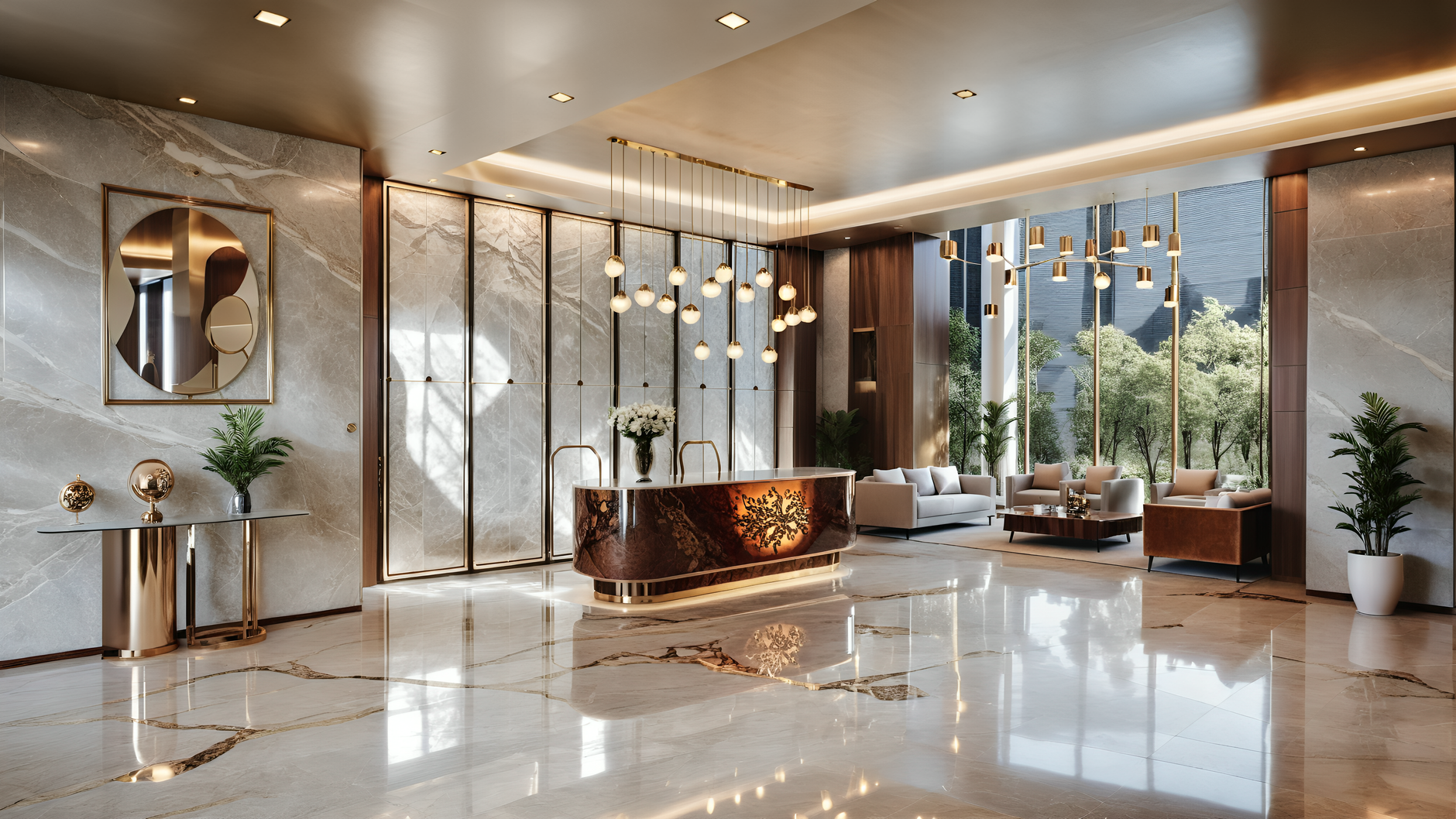
Saudi Arabia has announced a major expansion of its hospitality infrastructure with plans to add 17,500 new hotel rooms across Riyadh, Jeddah, AlUla, and the Red Sea region. The initiative, led by the Saudi Tourism Development Fund (TDF) and the Ministry of Tourism, is designed to accommodate surging visitor numbers as the Kingdom accelerates efforts to meet its Vision 2030 tourism targets.
The Kingdom recorded more than 110 million domestic and international visitors last year, surpassing earlier forecasts and outpacing growth in several GCC markets. Analysts say the demand surge is driven by relaxed entry regulations, an expanding cultural calendar, stronger connectivity with Asian markets, and the global marketing campaigns promoting Saudi Arabia as a new tourism powerhouse.
Hotel operators from the UAE, Singapore, Qatar, and Thailand have expressed interest in the new expansion program. Dubai-based Jumeirah Group, Singapore’s Banyan Tree, and Thailand’s Dusit International are among the hospitality brands reviewing potential partnerships or site allocations.
Riyadh, which is undergoing rapid urban transformation, will receive the largest allocation of new rooms. The city is preparing to host multiple major events in 2026 and 2027, significantly boosting demand for premium and mid-scale accommodation. Hotel developers are focusing on mixed-use properties that include wellness centers, dining facilities, and co-working spaces.
In Jeddah, the expansion targets coastal tourism along the Red Sea shoreline. Saudi Arabia’s maritime infrastructure upgrades—implemented in partnership with UAE and Dammam-based logistics firms—are helping attract cruise tourism from Europe and Southeast Asia. New hotels near Jeddah’s waterfront will cater to this segment, offering integrated marina access and luxury amenities.
AlUla, one of Saudi Arabia’s fastest-growing heritage tourism destinations, is expected to receive around 2,000 additional rooms. The Royal Commission for AlUla highlighted the need for eco-friendly accommodations that preserve the cultural and environmental character of the ancient city. Japanese firms specializing in sustainable architecture have been invited to contribute design plans.
Meanwhile, the Red Sea region continues to attract global attention as one of the world’s largest regenerative tourism developments. The project’s initial resorts—managed by UAE and Singaporean operators—have reported occupancy levels exceeding expectations throughout pilot phases. The next construction wave will add boutique resorts and eco-lodges powered exclusively by renewable energy.
The Ministry of Tourism says that the new hospitality expansion will also generate more than 65,000 jobs across operations, culinary services, events, and maintenance. Training programs are being developed in collaboration with institutions in Malaysia, South Korea, and Australia to equip young Saudis with hospitality management skills.
Saudi Arabia is also investing heavily in entertainment and cultural programming to boost visitor numbers. Events such as Riyadh Season, Jeddah Season, MDLBEAST Soundstorm, and Formula 1 have contributed to unprecedented hotel demand. Tourism analysts expect peak seasons to lengthen further as more cities launch their own cultural festivals.
International visitor arrivals from Asia are growing rapidly. Travelers from Singapore, Malaysia, and Indonesia now rank among the fastest-expanding segments, supported by new direct routes and visa-on-arrival policies. South Korean and Japanese visitors have also increased significantly as Saudi Arabia strengthens diplomatic and commercial ties with East Asia.
Industry analysts say Saudi Arabia’s hotel expansion mirrors the UAE’s earlier approach of using large-scale hospitality development to anchor broader economic diversification. However, Saudi Arabia’s focus is broader, tying tourism to sports, entertainment, culture, wellness, and nature conservation.
The Kingdom’s rapid transformation poses operational challenges, particularly in workforce availability and supply-chain management. Construction companies from the UAE, India, and China are mitigating delays by increasing local hiring and deploying modular building technologies.
Despite these hurdles, investor sentiment remains strong. Saudi Arabia is now considered one of the top three global destinations for hotel development. The successful completion of the 17,500-room expansion will further strengthen the Kingdom’s position as the Middle East’s next major tourism hub.

Written by
TPC Editorial Desk
The Platinum Capital editorial desk
Articles on The Platinum Capital are produced by the TPC editorial desk with the assistance of AI tools, and edited before publication. TPC Awards profiles are based on information provided in nominations and checked against public sources. Reach out at info@theplatinumcapital.com.


