Saudi Arabia Greenlights $9.4 Billion Hydrogen Expansion as Asia-Pacific Buyers Lock In Multi-Year Supply Deals
Saudi Arabia has approved a new $9.4 billion expansion for its national hydrogen development program as demand surges from buyers in Japan, South Korea, and Singapore. The expansion, announced by the Ministry of Energy, is aimed at converting the Kingdom into the largest global s…
Saudi Arabia has approved a new $9.4 billion expansion for its national hydrogen development program as demand surges from buyers in Japan, South Korea, and Singapore. The expansion, announced by the Ministry of Energy, is aimed at converting the Kingdom into the largest global supplier of low-carbon hydrogen within the next decade.
The government is broadening its strategy beyond the flagship Neom Green Hydrogen Project and allocating funding to new production clusters in Yanbu, Jubail, and Jazan. These hubs will focus on producing green, blue, and—newly added—turquoise hydrogen using methane pyrolysis.
Japan continues to be the most aggressive buyer, with energy utilities signing new agreements with Saudi suppliers for both ammonia-based hydrogen shipping and direct liquefied hydrogen. Tokyo is under mounting pressure to meet net-zero commitments and reduce its reliance on fossil fuels amid declining domestic nuclear output and slow renewable deployment.
“So far, Japan has secured around 20 percent of the Kingdom’s planned hydrogen export capacity,” said an energy strategist at a Riyadh-based investment firm. “South Korea and Singapore are accelerating their own agreements, creating a competitive race for long-term supply.”
The scale of the new expansion suggests Saudi Arabia is positioning itself as the baseline supplier for Asia-Pacific economies that lack adequate renewable energy resources but have high energy consumption per capita.
To secure international confidence, the Ministry has also introduced a certification framework for low-carbon hydrogen, aligned with European and Korean standards. The standardization allows Asian buyers to classify imported hydrogen under their decarbonization programs, enabling subsidies and tax credits.
South Korea’s steel sector and heavy industries, particularly shipbuilding giants in Busan and Ulsan, are expected to become major importers. Hydrogen is essential for producing cleaner steel and powering next-generation vessels. “Saudi hydrogen fits perfectly into Korea’s industrial decarbonization roadmap,” said a Seoul-based energy researcher.
Singapore, meanwhile, is exploring hydrogen for power generation, maritime fuels, and industrial heat. Major Singaporean trading houses have already signed memoranda of cooperation with Aramco and the Saudi Ministry of Energy. Analysts say Singapore’s strategy is to become Southeast Asia’s hydrogen re-export hub.
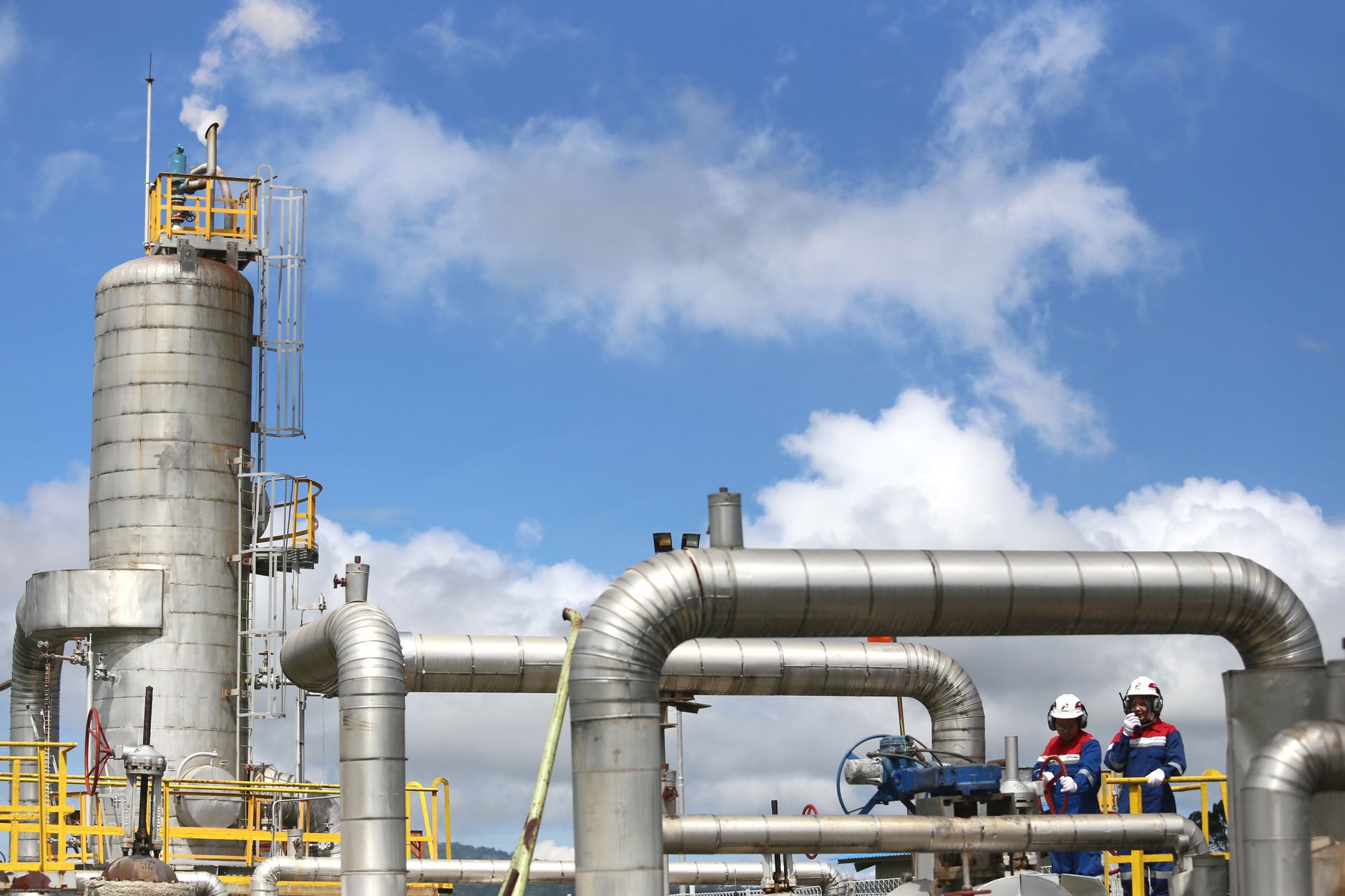
Despite expansive demand projections, challenges remain. Transporting hydrogen—especially liquefied hydrogen at -253°C—requires advanced shipping infrastructure. Japan is funding part of the shipping fleet expansion, while South Korean shipyards are competing to build specialized carriers.
Saudi Arabia’s diversification into turquoise hydrogen adds a new layer to its portfolio. Methane pyrolysis produces hydrogen and solid carbon, avoiding carbon dioxide emissions. Global demand for solid carbon, usable in batteries and carbon composites, is expected to rise. Turquoise hydrogen offers lower production costs than green hydrogen, giving Saudi exporters a pricing advantage.
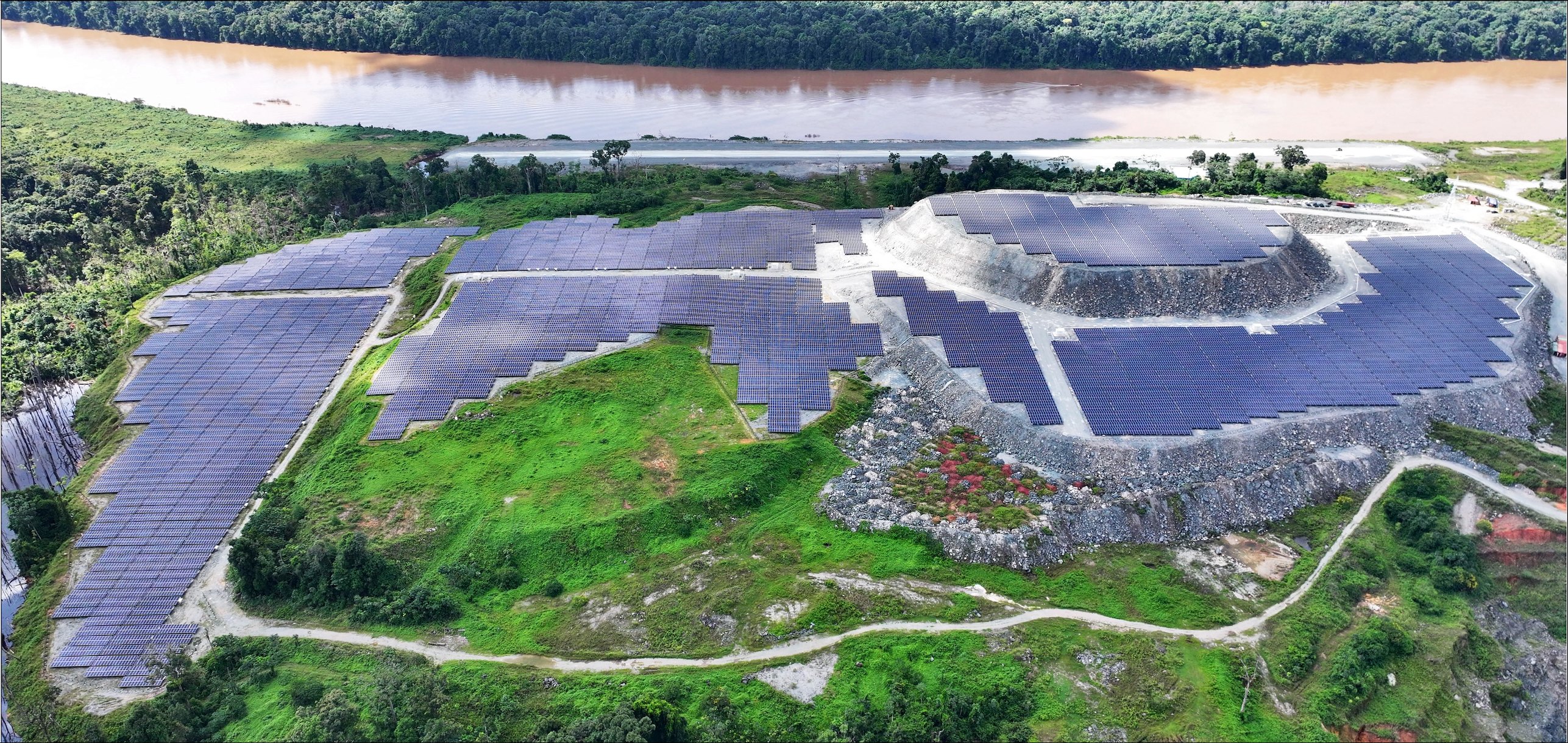
Meanwhile, the Kingdom continues investing heavily in renewable capacity to support green hydrogen production. New solar and wind projects totaling 14 GW will feed upcoming electrolysis plants. This is part of Vision 2030’s broader goal to generate 50 percent of electricity from renewables.
Experts say the new hydrogen expansion reinforces Saudi Arabia’s economic diversification agenda. “The country is using its natural resource leadership, industrial financing capabilities, and geopolitical ties to dominate the next global fuel,” said an analyst at an Abu Dhabi think tank.
Asia-Pacific buyers appear ready to lock in multi-decade agreements, driven by their own decarbonization deadlines. As global hydrogen markets mature, Saudi Arabia’s early investment may give it a decisive advantage—mirroring its historical leadership in traditional energy markets.

Written by
TPC Editorial Desk
The Platinum Capital editorial desk
Articles on The Platinum Capital are produced by the TPC editorial desk with the assistance of AI tools, and edited before publication. TPC Awards profiles are based on information provided in nominations and checked against public sources. Reach out at info@theplatinumcapital.com.