Saudi Real Estate Future Forum 2026 Puts Regulation, AI And ESG At The Core
Saudi Arabia’s ambitions to reshape its built environment are moving from blueprints to boardrooms as the Real Estate Future Forum 2026 in Riyadh convenes global investors, policymakers and developers to discuss how the kingdom can manage a pipeline exceeding 1 trillion dollars. …
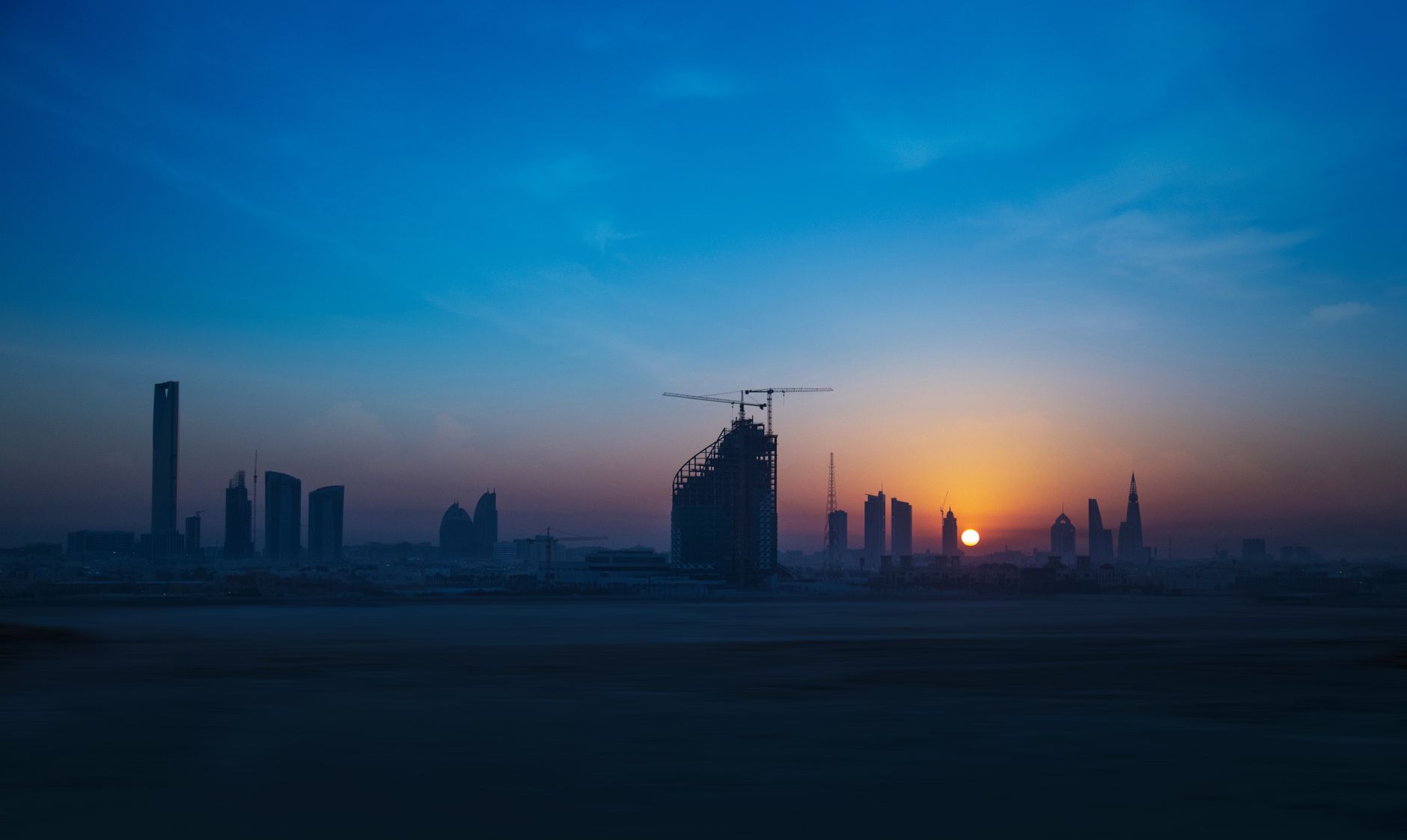
Saudi Arabia’s ambitions to reshape its built environment are moving from blueprints to boardrooms as the Real Estate Future Forum 2026 in Riyadh convenes global investors, policymakers and developers to discuss how the kingdom can manage a pipeline exceeding 1 trillion dollars.
According to coverage by CBNME, the forum brings together senior executives from sovereign funds, listed developers, banks and advisory firms to examine the “defining decade” for Saudi real estate. The kingdom’s agenda spans giga‑projects like NEOM, Qiddiya and the Red Sea, plus large‑scale housing, industrial and logistics developments under Vision 2030.
Arab News, citing JLL, notes that the wider Middle East and Africa region is on track for a 3‑trillion‑dollar real‑estate and infrastructure pipeline between 2026 and 2030, with Saudi Arabia one of the key drivers alongside the UAE. As a result, investors are scrutinizing not just headline project values but also regulatory predictability, financing structures and ESG performance.
Deloitte, which is participating as a premier partner at the forum, says it will showcase AI‑driven analytics, digital‑twin platforms and sustainability frameworks designed to help Saudi and regional developers optimize portfolios, manage risk and meet global capital‑market expectations. The firm argues that data‑rich, AI‑enabled planning can reduce cost overruns, shorten development cycles and align projects with evolving environmental regulations.
Saudi regulators are responding with reforms aimed at boosting transparency, investor protection and market depth. The Capital Market Authority’s move to open the main equity market to all foreign investors from 1 February 2026 adds a powerful tool: more foreign capital can now participate directly in listed developers, REITs and future infrastructure‑linked vehicles. Real‑estate legislation is also being refined to clarify ownership structures, escrow requirements and consumer protections.
The forum’s agenda mirrors the region‑wide shift from “build at any cost” to performance‑driven development. Marsh’s Construction Market Update, cited in MEED’s infrastructure outlook, notes that Saudi construction is expected to grow by an average 5.4% a year through 2029, but emphasizes a pivot toward disciplined risk management, better supply‑chain planning and smarter use of technology, including AI.
ESG is now integral to the conversation. JLL and Deloitte both stress that international investors increasingly demand rigorous environmental, social and governance reporting for real‑estate projects, especially those tapping global bond or sukuk markets. That means more focus on energy performance, water use, social impact and governance structures in everything from luxury towers to social‑housing schemes.
AI’s role extends beyond design and construction. Forum sessions address how AI can support asset management, predictive maintenance, tenant‑experience platforms and even dynamic pricing for residential and commercial space. For Saudi Arabia, which is investing heavily in AI and data centers, the intersection of digital infrastructure and physical real estate is a strategic priority.
For Asian investors and developers—from Singapore and Hong Kong to Japan and South Korea—the Real Estate Future Forum offers both a window and an invitation. Many already contribute design, engineering and operations expertise to Gulf projects; others are scouting opportunities in hospitality, logistics and mixed‑use developments tied to tourism and trade.
If 2026’s forum can move the conversation from high‑level ambition to concrete, bankable frameworks, it may mark the moment when Saudi real estate becomes a mainstream asset class for global institutional portfolios, rather than a niche play dominated by regional capital.

Written by
TPC Editorial Desk
The Platinum Capital editorial desk
Articles on The Platinum Capital are produced by the TPC editorial desk with the assistance of AI tools, and edited before publication. TPC Awards profiles are based on information provided in nominations and checked against public sources. Reach out at info@theplatinumcapital.com.