South Korea’s AI Push Shows How Industrial Policy Is Reshaping Data Centers, Robots And Supply Chains
South Korea’s latest industrial AI push is a reminder that the region’s technology race is no longer only about consumer apps or software platforms. It is increasingly about who can build the physical and digital infrastructure that turns AI into industrial advantage. Reuters rep…
South Korea’s latest industrial AI push is a reminder that the region’s technology race is no longer only about consumer apps or software platforms. It is increasingly about who can build the physical and digital infrastructure that turns AI into industrial advantage.
Reuters reported that Hyundai Motor Group and the South Korean government have agreed to invest about 9 trillion won, or roughly 6.26 billion dollars, to build an AI data center, a robot manufacturing facility and related projects on the country’s western coast. That is an enormous bet on the intersection of manufacturing, data infrastructure and automation.
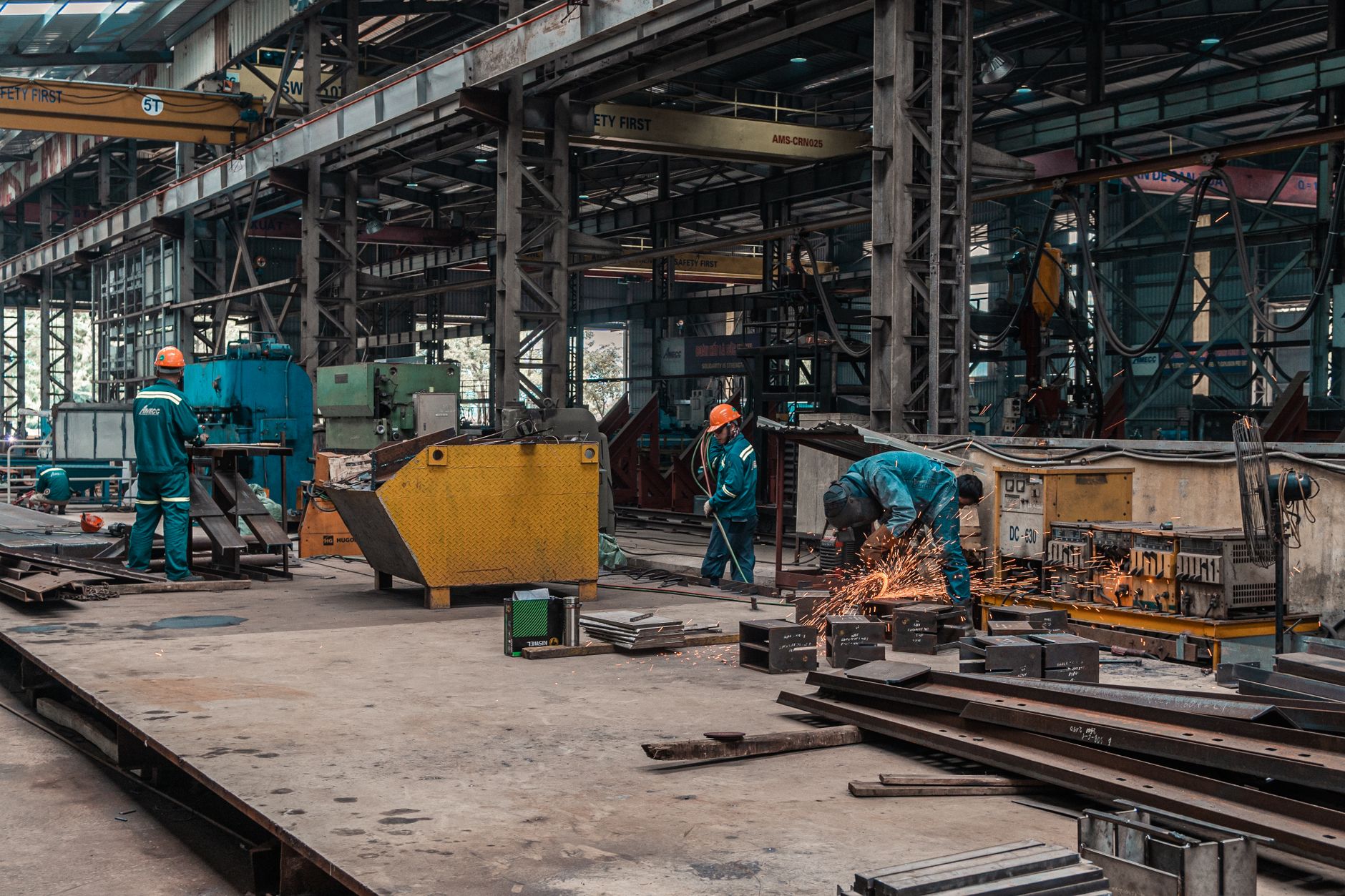
The details matter. Hyundai’s plan reportedly includes around 5.8 trillion won for the AI data center, which is expected to use 50,000 graphics processing units. Another 400 billion won is earmarked for a robot production facility, including wearable robotics. In other words, this is not a general tech park; it is a purpose-built industrial AI ecosystem.
This fits with the broader policy mood in Asia. Reuters also reported that Guangdong, China’s huge manufacturing and tech hub, is aiming to integrate AI across its 2-trillion-dollar economy. That aligns with a wider Asian trend: governments are increasingly treating AI as industrial policy rather than just innovation policy.
For South Korea, the strategic logic is clear. The country already has world-class strengths in semiconductors, autos and electronics. By pairing those assets with a domestic AI data center and robot production capacity, Seoul is trying to create a feedback loop in which AI improves manufacturing, manufacturing generates data, and data improves AI again.
This matters to Asia and the Gulf alike. Gulf states are investing heavily in AI cloud capacity and digital infrastructure, but South Korea is showing the industrial side of the equation: how AI can be embedded into factories, logistics, mobility and robotics at scale. That model may become especially relevant to manufacturing hubs in Vietnam, Thailand, Malaysia and Indonesia that want to move up the value chain.
There is also a financing angle. Reuters reported earlier in March that China planned to inject 44 billion dollars into state banks as part of broader support for tech and reform. That suggests governments across Asia are willing to mobilize balance-sheet and policy support to sustain industrial-tech investment, especially where AI is seen as strategically important.
The risk, of course, is execution. Market commentary about war angst and AI hype shows that investors are now less willing to reward AI announcements that lack clear commercial pathways. That means projects like Hyundai’s will be judged on whether they actually improve productivity, reduce costs or create exportable expertise.
South Korea’s plan could therefore become a reference point for the region. If it works, it will show how industrial policy, data centers, robotics and manufacturing can be fused into one long-term competitiveness strategy. If it stumbles, it will become a cautionary tale about how expensive AI can be when it is treated as infrastructure without enough commercial discipline.

Written by
TPC Editorial Desk
The Platinum Capital editorial desk
Articles on The Platinum Capital are produced by the TPC editorial desk with the assistance of AI tools, and edited before publication. TPC Awards profiles are based on information provided in nominations and checked against public sources. Reach out at info@theplatinumcapital.com.