Southeast Asian Agriculture Embraces Digital Transformation to Address Climate Challenges
Agricultural sectors across Thailand, Vietnam, and the Philippines are undergoing rapid digital transformation in 2025, leveraging advanced technologies to combat climate change impacts and boost productivity. The adoption of precision farming, drone surveillance, and AI-driven a…
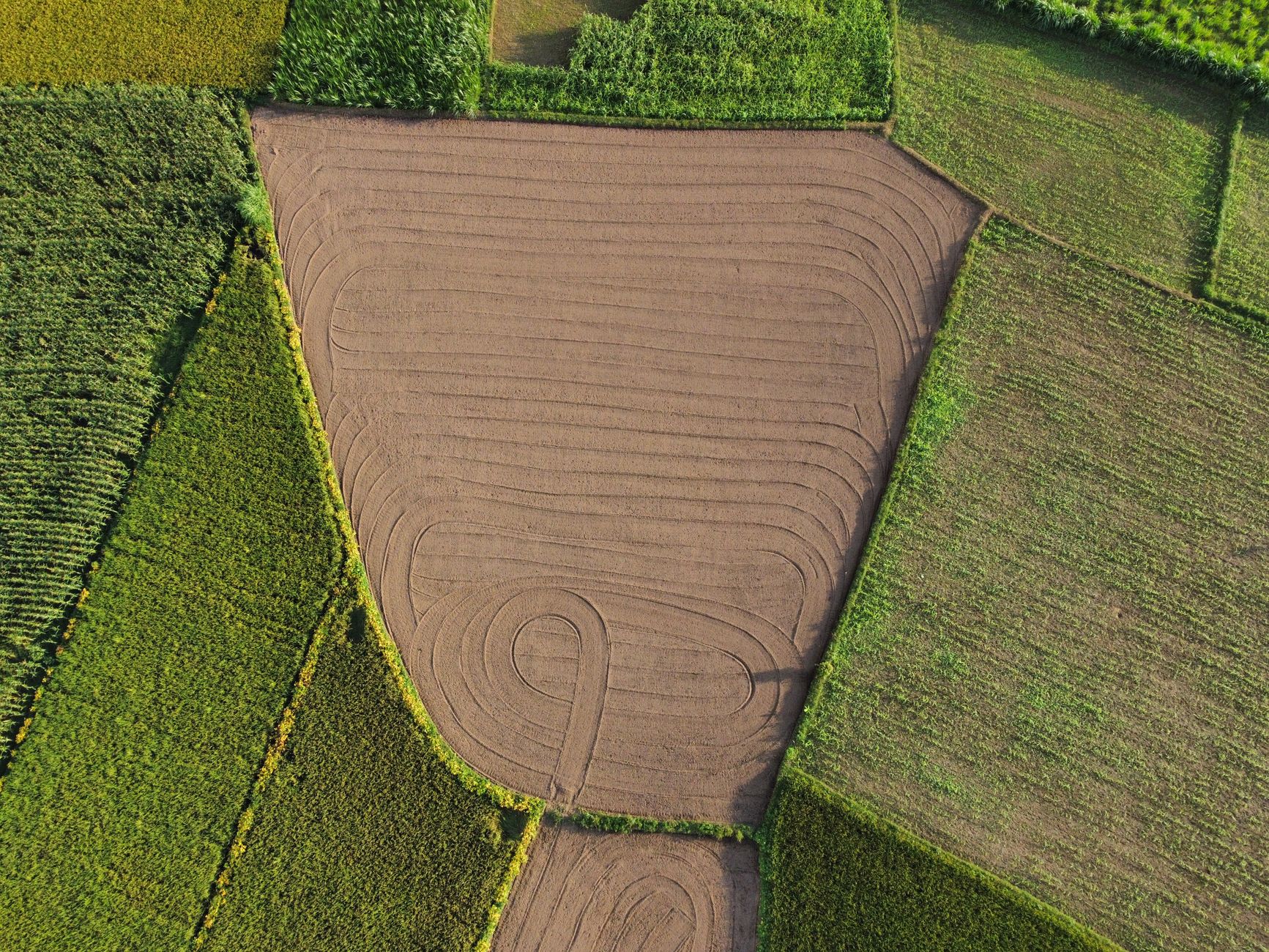
Agricultural sectors across Thailand, Vietnam, and the Philippines are undergoing rapid digital transformation in 2025, leveraging advanced technologies to combat climate change impacts and boost productivity. The adoption of precision farming, drone surveillance, and AI-driven advisory systems marks a significant shift in how Southeast Asian farmers approach cultivation and resource management.
Thailand's agriculture sector, which contributes nine percent to GDP while employing millions in rural areas, is experiencing increased adoption of smart farming practices and precision techniques. Government initiatives support modernization efforts, helping farmers integrate technology while maintaining traditional farming wisdom that has sustained communities for generations.
Despite climate challenges, Thailand's rice production in the 2025-2026 marketing year is forecast to rise slightly to twenty-point-seven million metric tons, supported by expanded off-season planting and stable yields across main crops. Favorable irrigation water supplies continue to incentivize planting, maintaining Thailand's position as a key supplier of white and fragrant rice to global markets.
The Philippine agriculture sector has embraced technological disruption aggressively, with government agencies heavily encouraging widespread adoption of agritech solutions. Precision farming equipment, drones, and Internet of Things sensors now enable farmers to monitor soil health, track moisture levels, detect pest infestations, and respond in real-time to changing field conditions, significantly reducing waste and increasing efficiency.
Rice farmers across Central Luzon and the Cordillera Administrative Region have implemented drone-based surveillance and automated irrigation systems, resulting in higher crop productivity, more efficient water usage, and reduced vulnerability to drought. These achievements are particularly critical given the Philippines' susceptibility to climate extremes as one of the world's most disaster-prone countries.
Vietnam's agriculture sector plays a crucial role in the national economy, contributing significantly to GDP and employing a large workforce. The country ranks as one of the largest rice exporters globally, with rice exports generating nearly four-point-eight billion dollars in 2023. Strong demand from the European Union, Philippines, China, and Africa drives Vietnam's continued prominence in international rice markets.
Climate change remains the primary concern for agriculture across the region. Southeast Asia faces increasing frequency of erratic weather patterns, prolonged droughts, typhoons, and floods that threaten food security and destabilize rural economies. Projections indicate that climate change could decrease crop yields by up to eighteen percent in several Southeast Asian regions by 2025 if adaptation measures are not implemented effectively.
The Philippines reports that over sixty percent of farmers cite climate change as their main challenge for agricultural productivity in 2025. Typhoons now strike with greater intensity, damaging crops, livestock, and rural infrastructure. Seasonal droughts, such as those expected due to El Niño phenomena, threaten to halve productivity of rain-fed rice and corn farms, while flooded lowlands destroy not just harvests but vital infrastructure.
In response to these challenges, farmers are rapidly adopting climate-smart practices. Agroforestry expansion integrates tree planting with main crops and livestock, protecting soil health, increasing biodiversity, and delivering alternative income streams. Climate-resilient crop varieties that can withstand extreme weather conditions are being distributed through government programs and agricultural cooperatives.
The agricultural machinery market in Southeast Asia experienced decline in 2023 due to El Niño's impact on yields, weak purchasing power from high household debt, and tighter leasing conditions. However, growth is expected over the next one to three years, driven by better weather conditions, economic recovery, and environmental regulations encouraging modern machinery adoption.
Thailand has implemented programs backed by a six hundred twenty-three-point-five million baht national budget to address agricultural burning and promote sustainable land use. The budget consists of remaining funds from previous rice support programs and new initiatives encouraging farmers to shift toward crops requiring less water while improving soil health.
Government support across the region includes investments in rural infrastructure such as irrigation systems, farm-to-market roads, and digital networks. These improvements reduce post-harvest losses, which still average thirty to forty percent in many areas, and improve market access for farmers. Vietnam and Thailand lead these improvements, followed by Indonesia's public-private projects in transport and warehousing.
Foreign investment in agriculture technology is flowing into the region. Companies like Fonterra are involved in Vietnam's dairy sector, providing expertise and products that improve milk production and quality through collaboration with local dairy farms to implement better farming practices and enhance supply chains.
Digital marketplaces now connect farmers directly to buyers, reducing intermediary costs and improving price transparency. Satellite monitoring provides macro-level field and soil health data, improving harvest and yield forecasting. These tools are increasingly accessible and affordable in 2025, enabling even small-scale farmers to benefit from advanced agricultural intelligence.
The Department of Agriculture in the Philippines has ramped up efforts to improve farm productivity by deploying modern technologies and accepting challenges to lead agricultural transformation. The government lifted temporary bans on livestock importation to stabilize supply chains while implementing programs to support domestic production capacity.
Over forty percent of Southeast Asia's workforce is employed in agriculture, driving rapid adoption of sustainable practices. The sector's importance to food security, economic stability, and ecological health across the region means that improvements in agricultural productivity and sustainability have far-reaching implications beyond rural communities.
Looking ahead, the leading trends include continued adoption of digital technology and precision farming, development and distribution of climate-resilient crop varieties, shifts to sustainable and regenerative practices like agroforestry, and ongoing investment in rural infrastructure and smart value chains. These developments position Southeast Asian agriculture for sustainable growth while addressing the urgent challenges posed by climate change.
Experts emphasize that while significant progress has been made, continued investment in research and development, farmer education, and infrastructure will be essential for maintaining momentum in agricultural transformation across Thailand, Vietnam, and the Philippines.

Written by
TPC Editorial Desk
The Platinum Capital editorial desk
Articles on The Platinum Capital are produced by the TPC editorial desk with the assistance of AI tools, and edited before publication. TPC Awards profiles are based on information provided in nominations and checked against public sources. Reach out at info@theplatinumcapital.com.