Stablecoin Payments Move From Experiment To Strategy Across Asia And The Gulf
The fintech story of early 2026 is increasingly centered on stablecoins, and one of the most important signals yet came when Pine Labs said it would launch a stablecoin-backed prepaid card in nine countries across the Middle East, Africa and Southeast Asia by the end of April. Th…
The fintech story of early 2026 is increasingly centered on stablecoins, and one of the most important signals yet came when Pine Labs said it would launch a stablecoin-backed prepaid card in nine countries across the Middle East, Africa and Southeast Asia by the end of April. That move turns a once-niche digital-asset conversation into a real payments strategy for businesses and consumers that move money across borders every day.
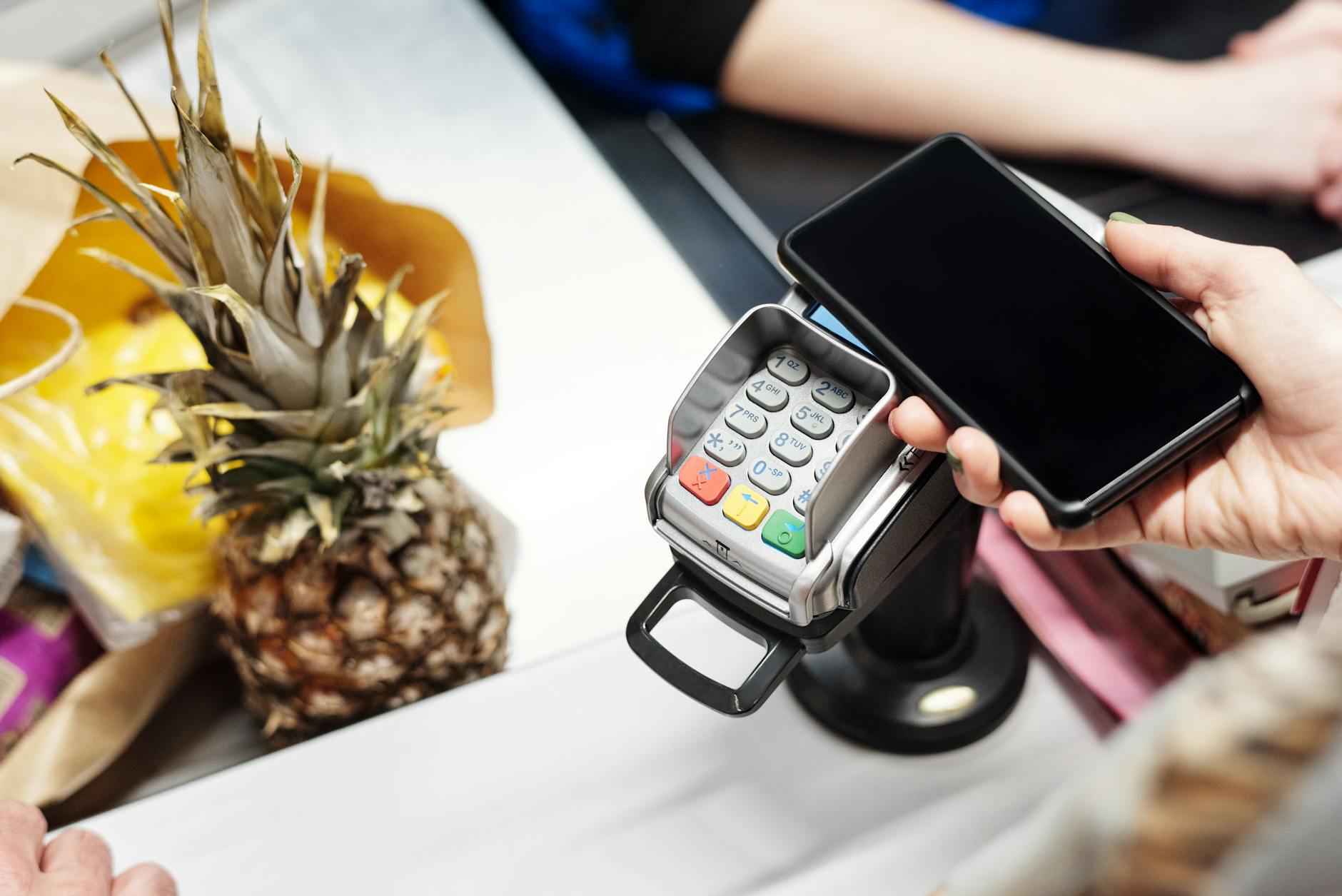
Reuters reports that the card will use stablecoins sourced from users’ digital wallets, converting them instantly into local currency at the point of sale. That is significant because it effectively wraps a blockchain-based settlement layer inside a familiar consumer payment product, lowering cross-border friction without forcing merchants or customers to change their behavior radically.
For Asia and the Gulf, the relevance is obvious. Both regions have enormous remittance, travel, SME trade and cross-border merchant flows, and both are trying to reduce the cost and complexity of payments. Stablecoins promise faster settlement, less correspondent-bank dependence and potentially lower FX friction, especially in corridors that see repeated small-value transactions.
This fits neatly into ASEAN’s broader fintech evolution. Southeast Asia is already in a “deep integration” phase, with embedded finance, real-time cross-border QR payments and interoperable rails becoming standard. Stablecoin-backed products can sit on top of that infrastructure and offer an additional settlement layer for travel, e-commerce, logistics and merchant acquisition.
But stablecoins also create a new risk surface. Thomson Reuters warns that AI-powered fraud is one of the major institutional risks of 2026 because scammers can use generative tools to create synthetic identities, spoof transactions and exploit weak onboarding or monitoring processes. When you combine stablecoin rails with AI-assisted fraud, the need for strong compliance, KYC and transaction monitoring becomes immediate.
That makes the business model for stablecoin payments heavily dependent on trust. If consumers and merchants believe the product is safe, fast and easy to use, adoption could spread quickly. If they see volatile fees, failed conversions or fraud, adoption could stall and regulators will step in.
The Gulf has a particularly important role to play. The UAE, Saudi Arabia and Qatar are all positioning themselves as digital-finance hubs, and stablecoin products could help them strengthen cross-border trade and tourism payments. For example, a visitor from Singapore or Thailand could theoretically spend in the Gulf using a stablecoin-backed card with fewer fees than traditional card networks.
The opportunity is large, but so is the regulatory challenge. Gulf regulators and ASEAN supervisors will need to decide how stablecoin payments fit into existing rules on e-money, payments, capital adequacy and anti-money-laundering controls. The regions have been moving toward more open finance and interoperability, but stablecoins introduce questions about reserve quality, redemption rights and settlement finality.
As a result, stablecoin payments are entering a new phase. They are no longer just an experimental product for crypto enthusiasts; they are becoming a strategic component of cross-border payments architecture. The firms that succeed will be those that can make the product invisible to the user while making compliance, security and settlement integrity highly visible to regulators and partners.

Written by
TPC Editorial Desk
The Platinum Capital editorial desk
Articles on The Platinum Capital are produced by the TPC editorial desk with the assistance of AI tools, and edited before publication. TPC Awards profiles are based on information provided in nominations and checked against public sources. Reach out at info@theplatinumcapital.com.