Steel, Concrete and Servers: Why Data Centers Are Becoming the Hottest Corner of Real Estate
Real estate investors long accustomed to thinking in terms of offices, apartments and malls are increasingly having to add a new asset class to their playbooks: data centers. In 2025, these once‑niche properties have become central to strategies in the UAE, Asia and beyond, thank…

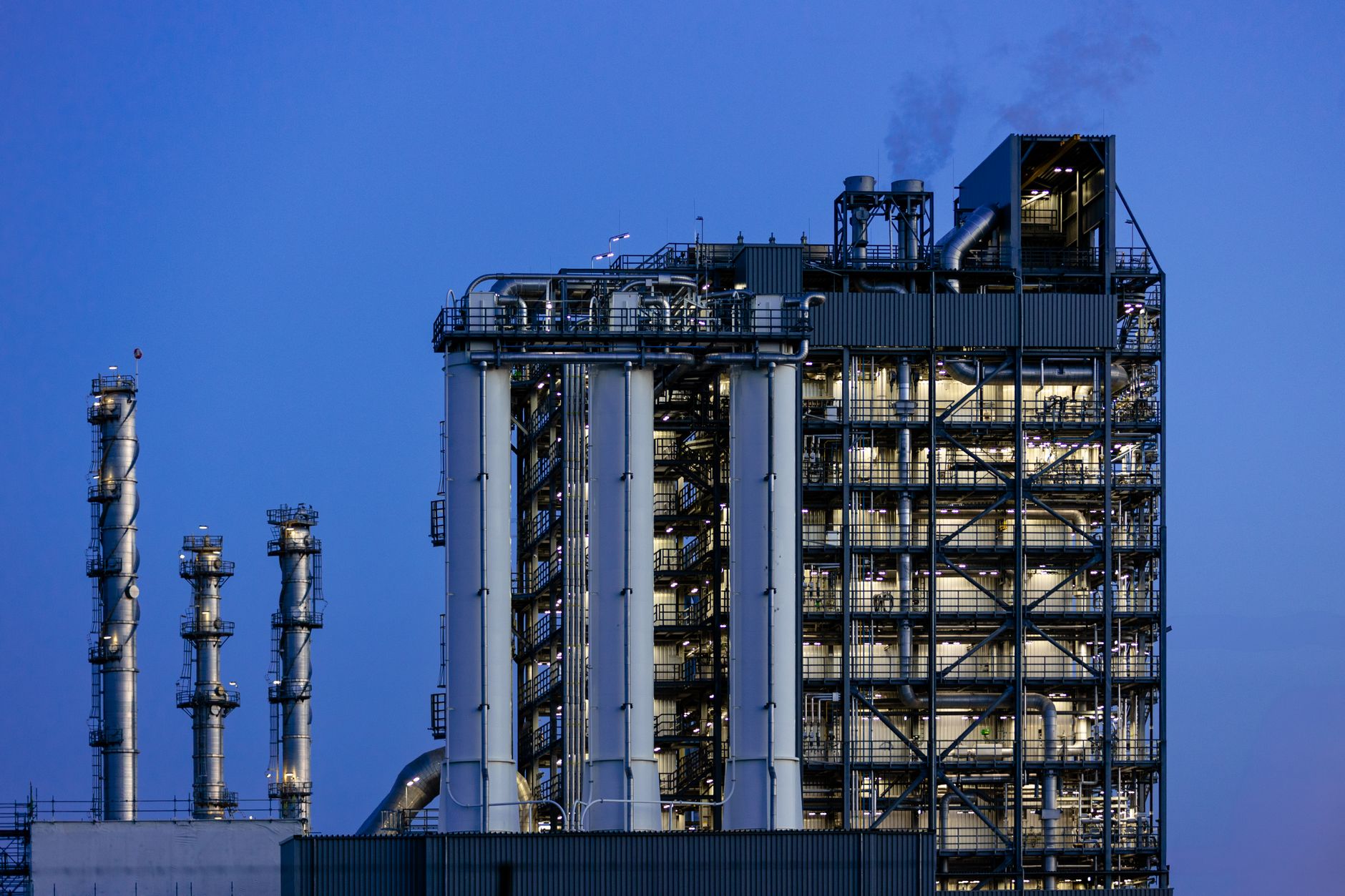
Real estate investors long accustomed to thinking in terms of offices, apartments and malls are increasingly having to add a new asset class to their playbooks: data centers. In 2025, these once‑niche properties have become central to strategies in the UAE, Asia and beyond, thanks to AI’s surging compute demands and the digitalization of everything from banking to agritech.
In a recent Bloomberg interview, Elizabeth Bell, co‑head of real estate at Hamilton Lane, said global data‑center demand has risen more than 200 percent since 2010, with the trend accelerating sharply in the last few years. AI has turned what used to be relatively steady‑growth infrastructure into one of the fastest‑expanding segments of property, pushing occupancy rates up and forcing operators to scramble for sites with sufficient power and connectivity. Investors now talk about data centers in the same breath as logistics warehouses and renewable‑energy assets when discussing long‑term, income‑generating real estate.
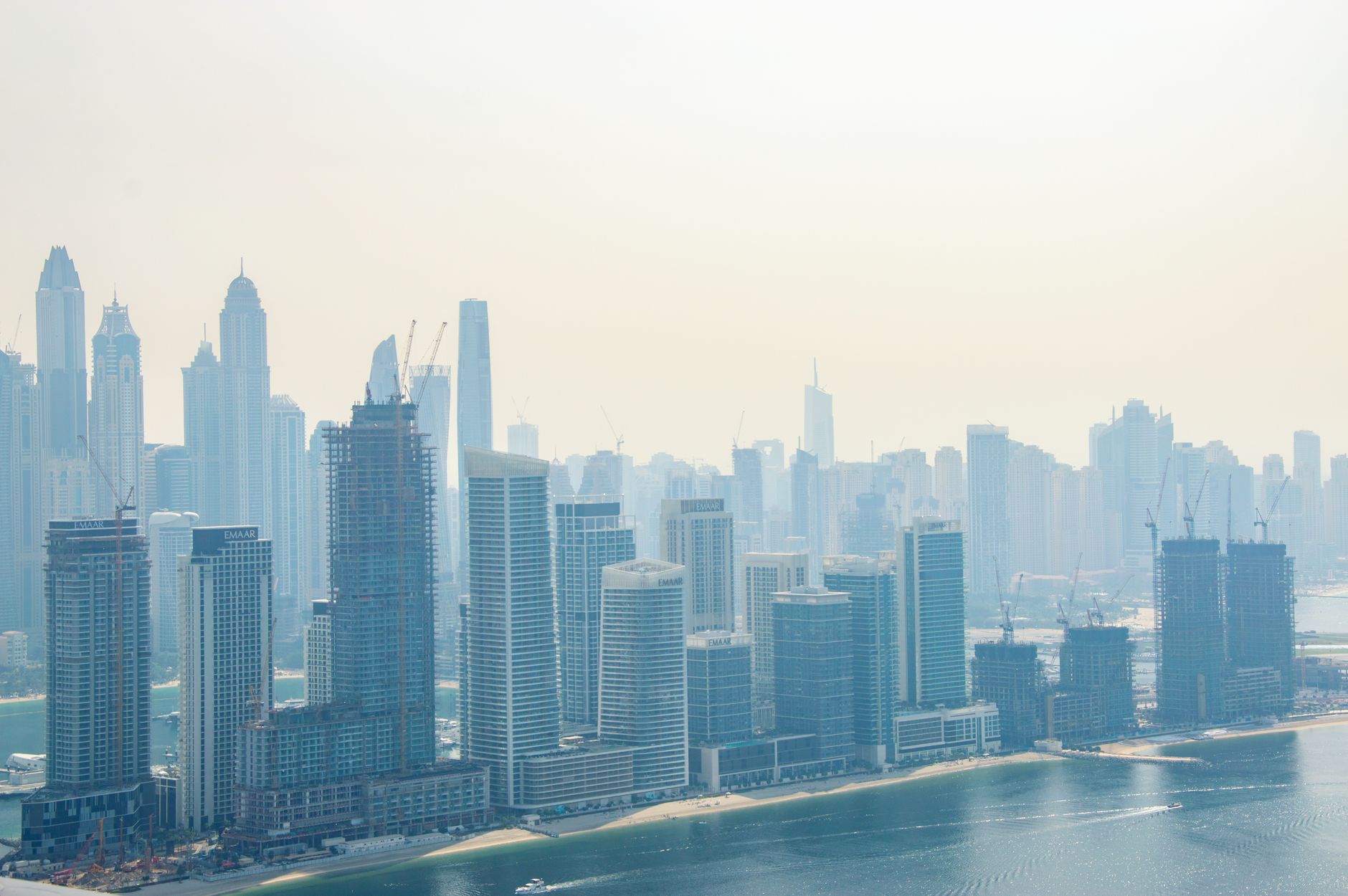
In the UAE, this shift is explicit policy. The country’s push to become a global AI and digital hub includes master‑planned data‑center parks and incentives for operators to build large campuses in free zones and industrial areas. Land around key substations and cable landing stations has appreciated, and developers are re‑zoning or repurposing industrial plots for high‑specification facilities with advanced cooling and security requirements. Local REITs and private‑equity funds are exploring ways to bundle stabilized data‑center assets into vehicles that can be sold to yield‑seeking investors.
Across Asia‑Pacific, cities like Mumbai, Chennai, Singapore, Hong Kong and Tokyo are seeing similar trends. Data‑localization rules, cloud adoption and AI workloads have led global and regional operators to announce multi‑billion‑dollar investment plans, with an emphasis on scalable campuses that can add capacity in phases. In India, JLL and other brokers highlight data centers alongside industrial parks and logistics parks as key growth engines in an otherwise mixed office and retail landscape. Singapore, constrained by land and power limits, is tightening efficiency and sustainability criteria for new builds.
From a financial‑engineering perspective, data centers sit at the intersection of property and infrastructure. Long‑term leases with creditworthy tenants, often with inflation‑linked escalators, make them attractive to insurers and pension funds. Yet their capital‑expenditure needs, technological obsolescence risk and power dependence introduce complexities more typical of utilities or telecoms. Specialist operators and funds are emerging to manage these risks, with generalist landlords often choosing to partner rather than go it alone.
The AI factor changes the calculus. Training large models and running high‑volume inference requires dense GPU clusters, which generate more heat and demand more power than traditional compute loads. This, in turn, drives interest in locations with access to high‑voltage grids, renewable‑energy sources and water or advanced cooling technologies. Gulf states see an opportunity here, marrying gas and solar resources with liberal zoning to attract workload from more constrained markets in Europe and Asia.
Environmental scrutiny is intensifying. Critics warn that uncontrolled data‑center growth could strain grids, crowd out other uses and undermine climate goals if powered mainly by fossil fuels. Regulators are responding with efficiency standards, carbon‑reporting requirements and, in some cases, moratoriums on new projects until infrastructure catches up. Investors now routinely ask about PUE (power usage effectiveness), renewable‑energy sourcing and resilience to heatwaves when evaluating deals.
For traditional real‑estate players, the message is not to abandon more familiar asset types but to recognize that value creation increasingly depends on digital infrastructure. Offices housing AI engineers, logistics centers serving e‑commerce, and residential towers marketed to remote workers all rely on robust data‑center backbones. Owning or partnering in that backbone offers an additional lever for returns—and a hedge against shifts in how people live and work.
As 2025 ends, the consensus among property strategists is that data centers will remain one of the sector’s key secular themes for the next decade. For investors in the Gulf and Asia who can navigate their hybrid nature—part brick, part silicon—they offer a way to link real‑asset portfolios directly to the AI economy.

Written by
TPC Editorial Desk
The Platinum Capital editorial desk
Articles on The Platinum Capital are produced by the TPC editorial desk with the assistance of AI tools, and edited before publication. TPC Awards profiles are based on information provided in nominations and checked against public sources. Reach out at info@theplatinumcapital.com.